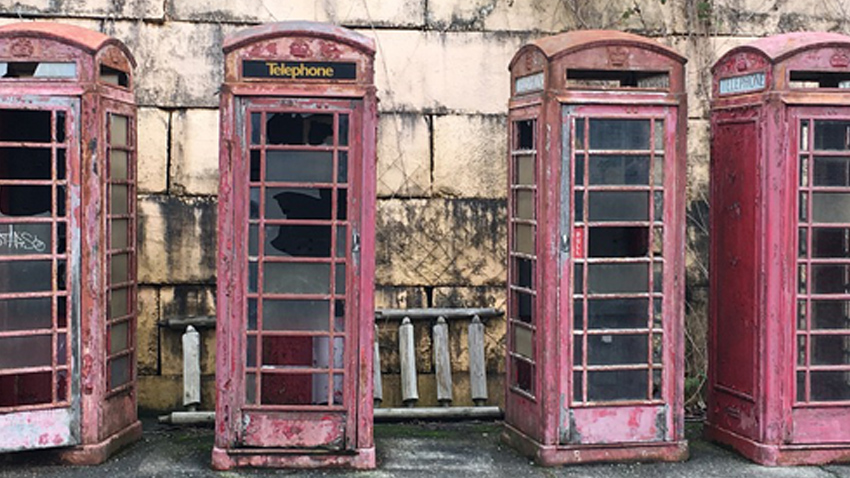
As the smartphone has emerged as a standard part of day-to-day life, public payphone boxes have become a relic of a time gone by. While you might have "fond" memories of hiding out in a payphone box to avoid the rain or phoning your parents to let them know you'll be home late, there's a good chance you haven't touched one of those germ-infested phones in almost a decade.
Once, the UK was home to about 92,000 pay phone boxes, all run and managed by BT. Since then, we've fallen to about 40,000 in total, and most of those just aren't making any money. With that in mind, BT has decided to remove the unwanted boxes from our streets once and for all.
Why Not Destroy all Payphone Boxes?
Approximately 20,000 payphone boxes will be officially torn down by the time we hit 2022. It makes sense when you think about it. The current boxes are costing BT about £6 million in repair costs a year - that's money they could be investing in dozens of new opportunities.
So, if payphones are so costly, why are we keeping any of them? The simple answer is that they've been around for so long that they're becoming harder to get rid of. A lot of people still consider the red phone box to be the iconic symbol of Britain, and about 2,400 of the payphone boxes we have on our streets today have been officially classified as "Grade 2" historical buildings. In other words, you can't just tear them down.
Even with a decline in payphone usage of around 90% over the last decade, we're not going to be able to get rid of all the boxes in Britain - which could be great news if you're caught in a storm without an umbrella…
The Unfortunate Aftermath
[caption id="attachment_12674" align="alignleft" width="219"]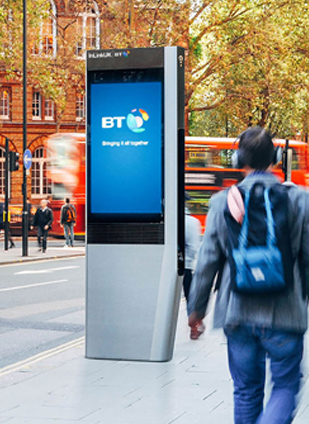 InLinkUK Kiosk[/caption]