Devices are key to the hybrid model of working that is evolving around us. As that transformation continues, organisations need to consider what devices best suit their needs and allows their employees to work from anywhere. Analyst house Gartner has forecast that global spend on devices will hit $794bn in 2021, a year-on-year increase of 14 percent, and growing to over $800bn in 2022.
We asked senior executives from Yealink, Crestron, Poly and Jabra four questions on the challenges associated with hardware in a hybrid working world.
1) What challenges are businesses facing when it comes to devices and hybrid working?
Sofocles Socratous, Vice President Northern Europe at Poly: “One challenge that businesses face is adapting the needs of their employees and creating equal experiences regardless of location. To get the most out of the workforce, organisations must understand individual working personas.
“If they invest in the same device for all, they won’t fix issues around performance or engagement. Instead, business leaders must recognise the different types of persona, from 'flex worker' to the 'office collaborator'”
“For instance, those on calls or virtual meetings may prefer lightweight devices or headsets that prioritise comfort over portability. Those that work from home might prioritise noise cancellation. It's only by recognising these differences that businesses can provide high-quality solutions that support employees to perform at their best.”
[caption id="attachment_29781" align="alignright" width="200"] Nigel Dunn[/caption]
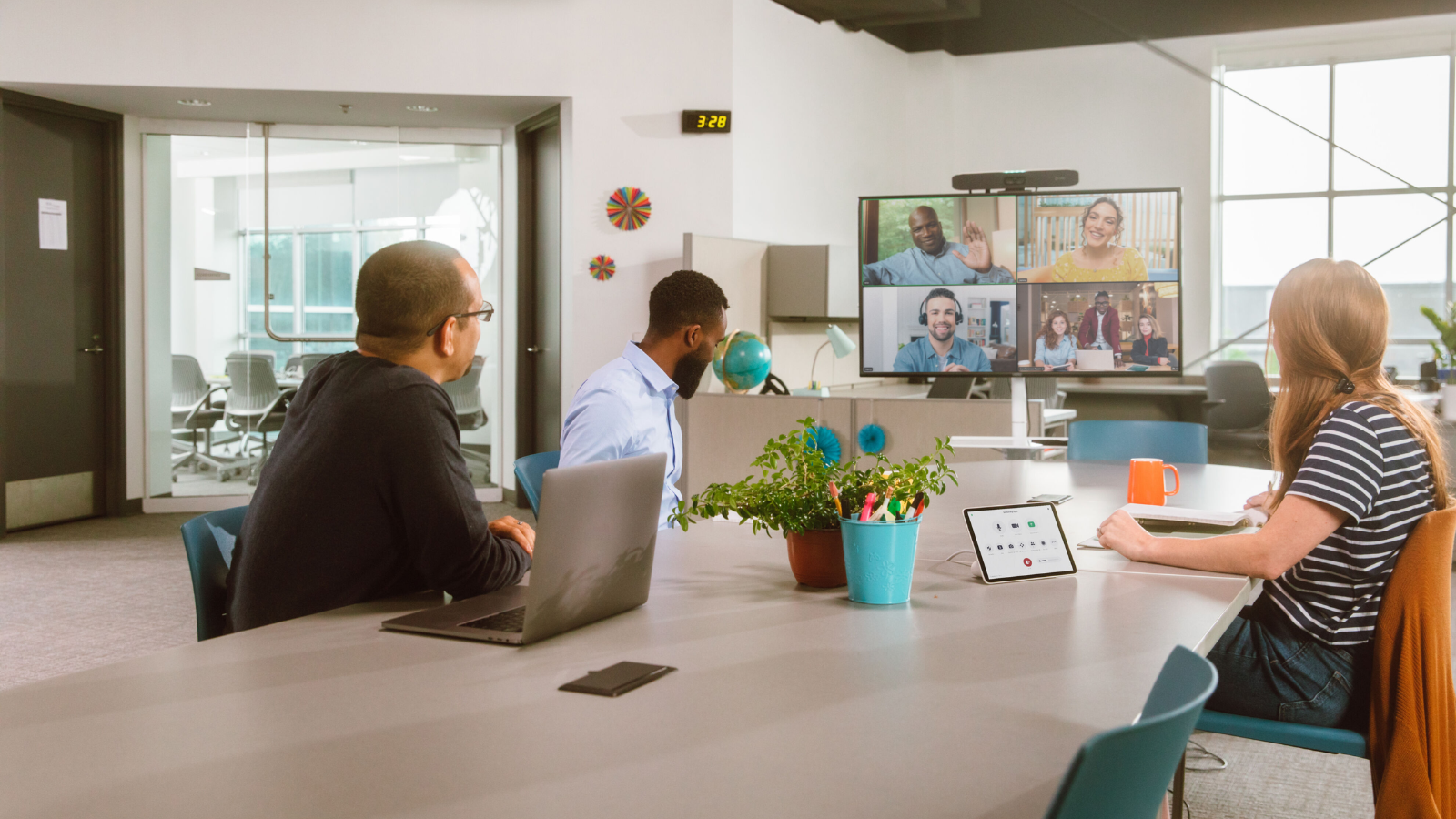
Nigel Dunn, Managing Director, EMEA North at Jabra: “Businesses are now facing the realisation that hybrid working is not just a phase but is here to stay. The challenge is how to maintain the levels of productivity and gains that we know are possible. “Organisations must assess if current set ups are still effective and sustainable in the long-term. This means ensuring that devices are not only fit for purpose today but investing in the right technology and adopting an approach that continues to keep teams motivated and engaged – wherever they are. “Safeguarding the well-being of staff is a priority and ongoing challenge as we adapt to the new normal. Hybrid working brings added complexity from staff working in changing and disruptive environments. Business must look at whether they have the tools and insights to minimise factors that contribute to stress – such as working in noisy environments – and take the necessary steps to make changes.” Andrew Gross, Vice President Enterprise Sales at Crestron: “One of the major issues is that you can clearly see a difference between people calling in from home and those together in a meeting room. As a result, not all meeting participants feel equally involved. Sure, being seen and heard equally is important, but enhanced camera and microphone technology is just the start. The enhancement of collaboration software will also make a difference. Zoom recently made Smart Gallery View available, and Microsoft is working on a similar feature.
“On the hardware side, uptime, security, and quality are pain points. Luckily, prosumer devices can help here: enterprise-grade hardware that looks like it belongs in the home, but is enabled and hardened by the management that you would get in the office”
2) What devices are you seeing increasing demand for and why?
[caption id="attachment_37888" align="alignleft" width="230"] Sofocles Socratous[/caption]
Sofocles Socratous, Vice President Northern Europe at Poly: “This year, intelligent control and high-quality audio, video and collaboration devices have been increasing in demand as they are essential in levelling the playing field between those in the traditional office, and those who choose to work from elsewhere. Video helps remote participants get as close as possible to the experience of being in the same room. “As hybrid working becomes the norm, it will be essential to ensure business operations can run smoothly while also improving company culture. True collaboration requires great systems tailored to individual’s needs. This requires more than just simple web cameras. Organisations must acknowledge that the devices in the office need to be aware of the room, participants, and the meeting flow to deliver that “in the room” feel to remote participants.” Nigel Dunn, Managing Director, EMEA North at Jabra: “Digital transformation shows no sign of slowing down as organisations continue to invest to ensure that they are not left behind.”
 Andrew Gross[/caption]
 Vincent Gao[/caption]