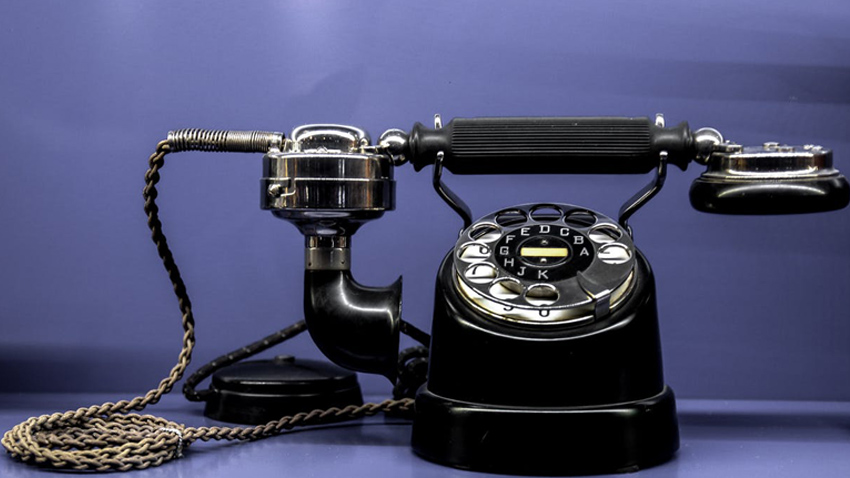
While desk phones are likely to be a permanent staple in most business operations - they don't need to be outdated and out-of-touch. Many predicted that mobile and softphones would kill the desktop phone, but this has not yet happened completely. In fact, it seems that the desk phone is destined to survive - though it might need a serious overhaul.
The Evolution of the Desk Phone
The state of the modern IP phone hasn't changed much within the last five or six years. In fact, its design and use hasn't changed greatly since the first introduction of telephones. For many, this is an inexcusable problem considering the ever-changing technical industry.
Though many believe that the deskphone will be here for a while - thanks in part to its inherent usefulness, the modern end-point can always be updated to improve modern workstyles and enhance productivity. For instance, experts often suggest that the IP phone should also be a Wi-Fi access point in a time when Wi-Fi connectivity is more essential than ever before.
On top of that, there's the IoT consideration. The modern world is turning more frequently to IoT devices for increased security and smarter facilities, meaning that the modern IP phone could easily be loaded with extra sensors for Bluetooth, motion, light, and a range of other features.
Looking at Ways to Improve the Desk Phone
The chances are that the phone will always be an inherently audio-based device. Many desktop computers are equipped with a microphone and speakers. However, if the IP phone had the ability to connect with computers, it would provide better acoustics. This means that modern IP phones should be looking for ways to access connections for PCs. They could even offer controls to turn down computer audio during calls.

At the same time, as most UC systems are already equipped with video, it doesn't make sense to avoid sharing the webcam on a PC with the phone. Vendors can always look for ways to create stronger relationships between phones and PCs.