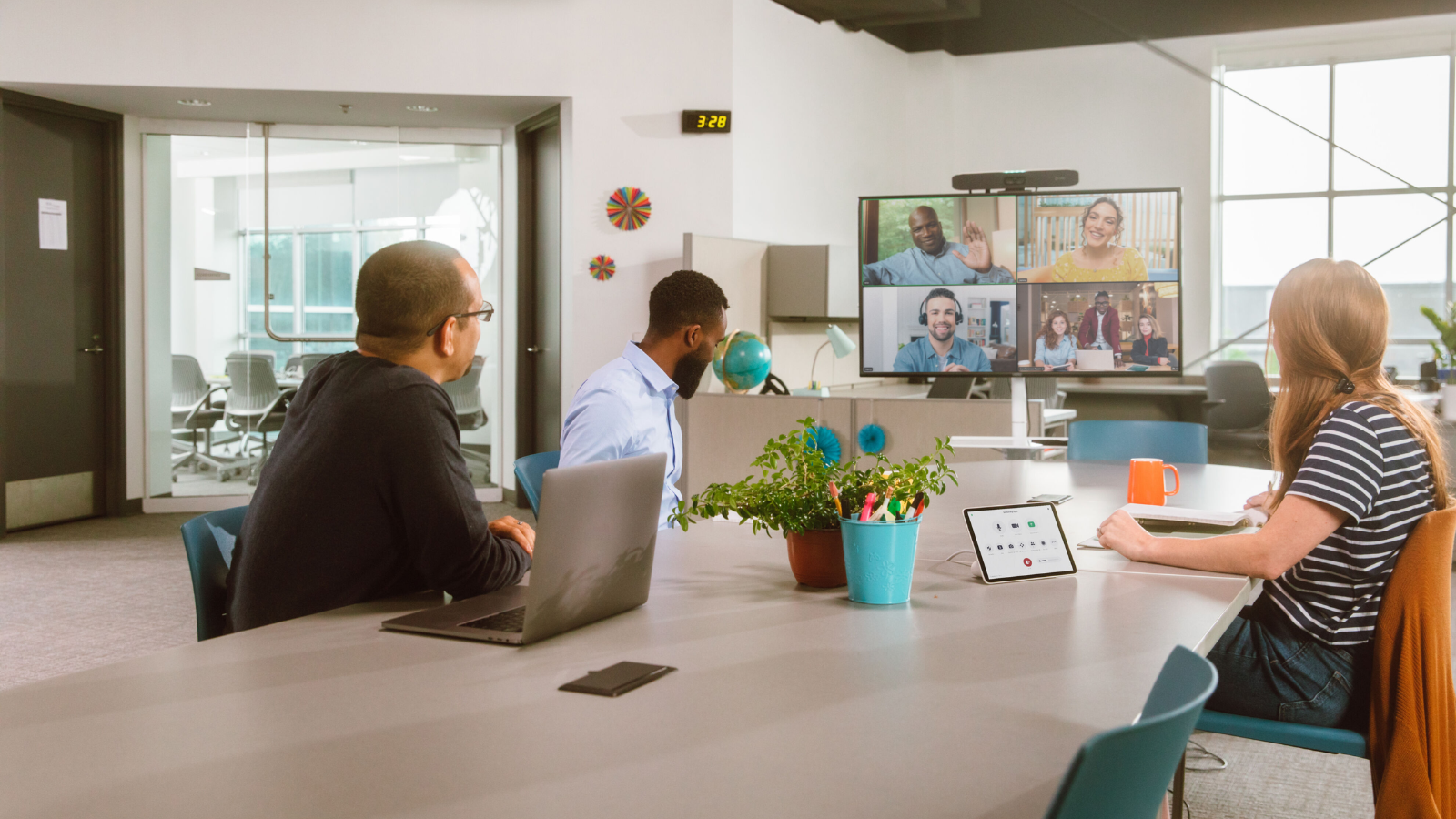
Enterprise Connect 2024 hosted a panel discussion on "The Future of Meetings and Meeting Rooms," featuring esteemed experts from leading technology companies Microsoft, Zoom, HP, Neat and Jabra. Prachi Nema, Principal Analyst at Omdia, moderated the session, which provided profound insights into the evolving landscape of workplace collaboration.
Panel speakers included Jeff Smith (Head of Product: Meetings and Spaces, Zoom), Ilya Bukshteyn (VP, Microsoft Teams Calling and Devices, Microsoft), Holger Reisinger (Senior Vice President of Video Enterprise Solutions, Jabra), Kevin McMenamy (VP Software Engineering and CTO, NEAT), and Greg Baribault (VP of Product and Portfolio Management, Hybrid Work Solutions, HP).
The discussion began with an overview of market trends, emphasizing the significant impact of COVID-19 on the video conferencing market. The pandemic accelerated the adoption of remote work, leading to a surge in demand for collaboration tools and meeting room solutions. However, challenges such as supply chain disruptions and hybrid work models emerged, prompting enterprises to rethink their approach to workplace collaboration.
Key challenges highlighted during the discussion included the need for flexible meeting solutions to accommodate diverse user preferences and the rise of remote work. As employees increasingly work from various locations, including home and office, organizations face the challenge of providing seamless collaboration experiences.
The panelists emphasized the importance of prioritizing employee experience and well-being in the design of meeting spaces and technology solutions. They highlighted the need for inclusive collaboration environments that enable remote participants to feel fully engaged and valued.
Furthermore, the discussion addressed the role of technology in enhancing meeting experiences and driving productivity. Artificial intelligence was identified as a key enabler for real-time collaboration, providing insights and automation to improve meeting efficiency.
The conversation also touched upon the evolving role of meeting rooms in the post-pandemic era. Panelists stressed the importance of adaptable spaces that cater to diverse work styles and activities. They advocated for a holistic approach to space design, focusing on flexibility, accessibility, and user experience.
A key theme that emerged from the discussion was the collaborative responsibility of industry stakeholders in addressing the challenges and opportunities in the meeting room ecosystem. From technology providers to system integrators, all players must work together to deliver innovative solutions that meet the evolving needs of modern workplaces.
By prioritizing employee experience, embracing technology innovation, and fostering collaboration across the industry, organizations can navigate the complexities of the hybrid work environment and unlock new opportunities for productivity and growth.
Top Tips for Getting Meetings and Meeting Rooms Right in 2024
1. Prioritize Employee Experience: Focus on building a culture that promotes inclusivity and trust, regardless of employees' physical location. Encourage remote collaboration and ensure new joiners quickly adapt to the organization's culture.
2. Embrace Hybrid Work Models: Recognize that one size does not fit all in a hybrid work environment. Tailor meeting spaces and technology solutions to accommodate a mix of remote and in-person attendees.