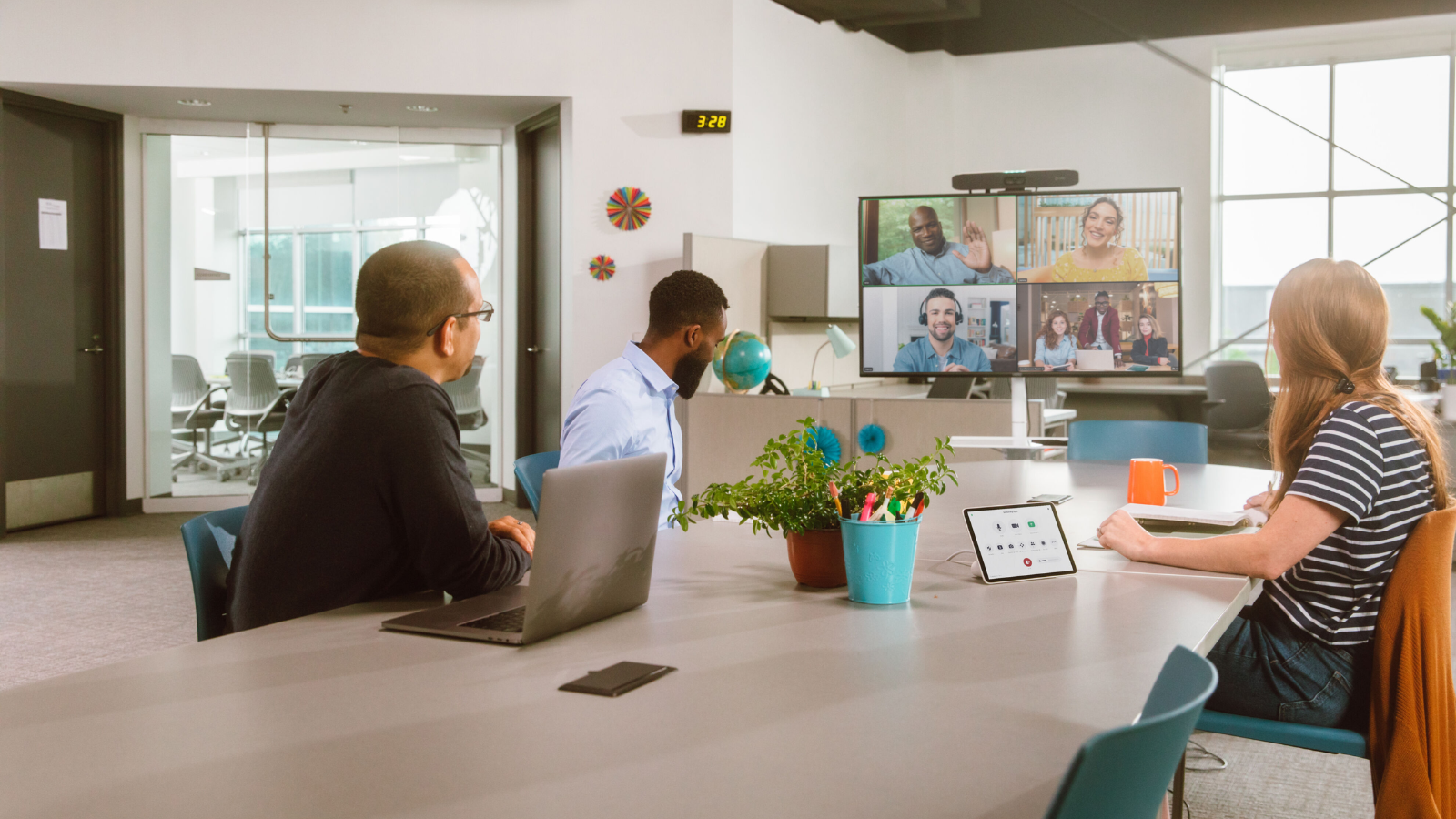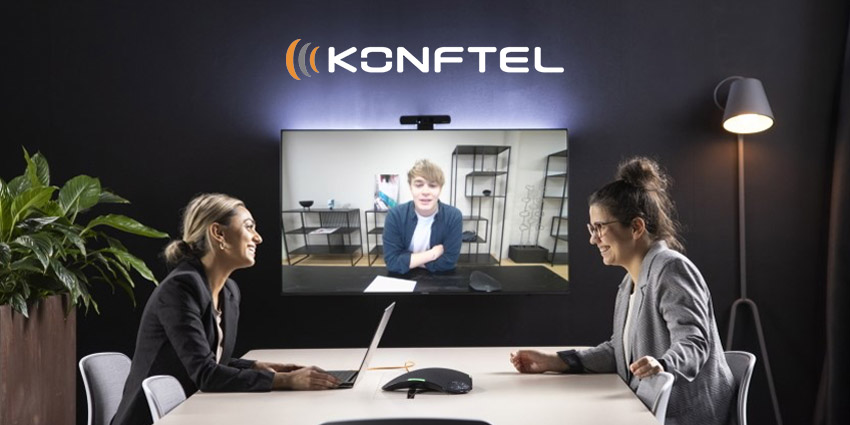
In today’s hybrid workplace more video meetings are taking place across more locations - but participants are not always on a level playing field.
Some sit together in a traditional meeting room whilst others join remotely, so the challenge for organisations is to ensure complete meeting parity with everyone’s voice equally heard.
Deploy technology which replicates the real-world fluidity of two or more people talking at once – without any of their voices dropping out or buffering – and those virtual conversations are as natural as it gets.
Only then can users experience true meeting equality with everyone’s contribution adding equal value.
And only then can the post-pandemic, transformational impact of remote or hybrid working really deliver big. Audio quality counts!
“Organisations and their workforces are still using laptops for their virtual meetings, with all of the associated compromises which tend to accompany the kind of in-built, lesser-quality conferencing technology that comes as standard,” says Jeff May, UK Sales Director at Swedish-based global audio and video collaboration endpoints giant Konftel, who invented the first conference phone more than 30 years ago.
“Invest in high-quality kit and you will get a high-quality experience. Users really notice the difference. It feeds into their personal meeting performance. It gives them the confidence to express themselves in the same way they would if they were in the same room as the other participants. The value of that should not be underestimated”
Konftel’s award-winning OmniSound technology is the perfect case in point.
Present in all of its audio and video conferencing products, from small huddle room to large-scale enterprise set-ups, it enables ‘Full Duplex Conversation’ – participants interjecting or speaking simultaneously whilst all still being heard.
Powerful microphones, echo cancellation, noise suppression and powerful speakers all combine to provide superb sound distribution.
Put more simply, no more on-screen incidents of participants’ mouths moving but their words going unheard.
“None of us wish to talk over people in a meeting but at times it is the way a conversation naturally flows, particularly the kind where significant or important business is being done,” says May.
“Those are the moments where audio quality is of most importance because those are the moments that really matter.
“That kind of meeting equality can be a major challenge in today’s hybrid workplace — with remote participants sometimes having a hard time getting a seat and being heard at the virtual table.”