Digital human capital management (HCM) has transformed the mechanics of workforce strategy — but it hasn’t changed what drives people. Beneath every algorithm, dashboard, and automated workflow sits a human being who wants to feel trusted, valued, and inspired.
The organisations shaping the next era of organizational culture are not those with the most advanced tools. They are the ones using technology to strengthen connection, not replace it.
The smartest enterprises treat digital HCM as an amplifier of humanity. Automation can handle payroll, scheduling, and reporting. Leadership still defines meaning. When workplace culture is built on openness, recognition, and psychological safety, digital systems reinforce purpose instead of reducing work to metrics.
As HR analyst Josh Bersin has noted:
“In the world of AI transformation we’re asking people to do different things, not just ‘more of the same.’ So we need to refocus our performance management on the company’s core values and behaviors, not only output metrics.”
Humanising Digital Human Capital
The most successful digital transformations start with a simple question: How will this feel for our people?
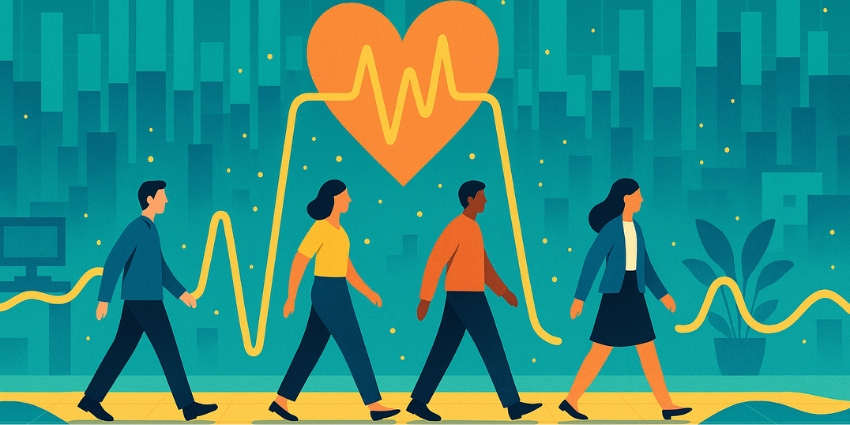
Leading organisations recognise that empathy must sit at the centre of work culture transformation. AI-driven dashboards and automation workflows should support wellbeing — not create friction or surveillance anxiety.
Major HCM vendors have introduced sentiment and engagement tools designed to surface morale trends. Used responsibly, these systems act as early-warning indicators for burnout, disengagement, or workload imbalance.
When paired with employee wellbeing technology and structured one-to-one check-ins, workforce analytics can prompt proactive support — such as workload redistribution, recognition initiatives, or flexible scheduling.
This shift is redefining leadership itself. Compassion is becoming measurable. Pulse surveys, wellbeing metrics, and coaching insights are no longer “soft” inputs. They are strategic tools for reducing turnover and strengthening loyalty.
Empowering People, Not Replacing Them
AI in HCM is most effective when it removes friction — not autonomy. Intelligent automation can shortlist candidates, flag skill gaps, and predict attrition risk. But only leaders can translate those insights into meaningful action.
Forward-thinking organisations embed human judgement directly into digital workflows. When predictive analytics highlights potential disengagement, managers are prompted to initiate career conversations — not automated nudges.
Leadership development platforms such as BetterUp and Torch use behavioural data to support emotional intelligence at scale. The goal is not replacing managers, but strengthening their listening, coaching, and feedback capabilities.
The pattern is clear: data should inform decisions. It should not replace them.
Building a Culture That Adapts
A thriving company culture is not static. It evolves alongside the organisation. As automation reduces repetitive tasks, employees can focus on creativity, critical thinking, and innovation — but only if psychological safety exists.