Over the last decade, you've probably noticed a significant change in your smartphone. Buttons have been replaced with touchpads. Screen bezels have practically disappeared, and even the size of the phone is getting progressively bigger. Ultimately, now that people can work, watch videos, and do anything they would do with a standard computer on their phone, we need one all-important thing: more screen size.
While Samsung, Microsoft, Huawei, and countless other vendors have attempted to deliver on this request with phones verging gradually towards "tablet" size, these manufacturers are beginning to realise that screen sizes can only go so far before the smartphone becomes impractical. After all, users might want a device that's big enough to watch Netflix, but they also want something they can carry around in their pocket. So, what's the solution? Foldable tech.
The Quest for Foldable Tech
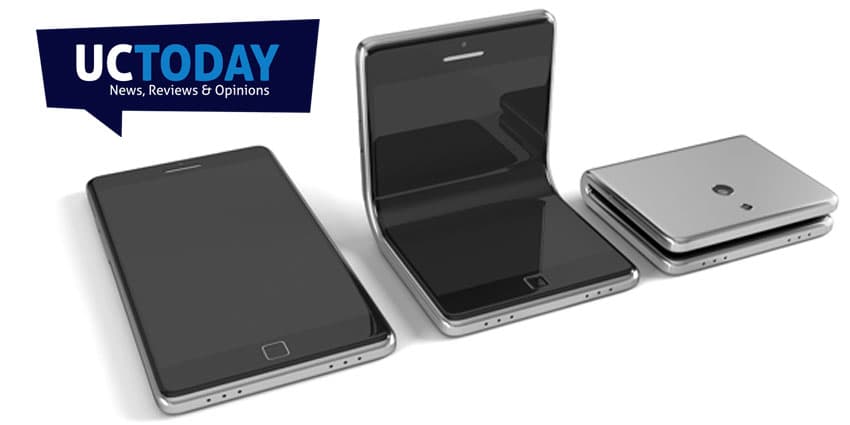
Innovators like Samsung and Huawei seem to be leading the way in the foldable tech arena, experimenting with a smartphone that can fold out to the size of a tablet when you're using it. The phones are designed in such a way that you won't notice the seam between the two screens when you unfold your device, for a more immersive experience.
Samsung mobile recently announced that they would be sharing details about their folding phone later this year, and we might even get an introduction to the new device at the Developer conference in November. However, Samsung also said that the phone would be released in 2018, and now 2019 is looking like a more realistic goal.
The question for many customers is:
"which vendor is going to be the first to deliver foldable tech?"
The company that successfully delivers this new solution could effectively provide an alternative to the tablet and laptop. For business users, the possibilities of foldable tech are particularly compelling.
What Does Foldable Tech Mean to the Mobile Worker?
For the field or mobile worker, a foldable smartphone makes it easier to carry an immersive workstation with them wherever they go. There's no longer a need to worry about the limitations of tablets, or laptops when you have a smartphone in your pocket that folds out to a size large enough to support all your business needs.
With a foldable phone, users will be able to search through contracts and written information, communicate with their colleagues, collaborate on documents on-the-go and more. While all these options are still available with the current , it's safe to say that it's much tougher to work on the go when you only have a few inches of screen space to work with. The foldable phone, regardless of its popularity in the consumer world, could open up a new era of productivity and accuracy in the mobile business environment.