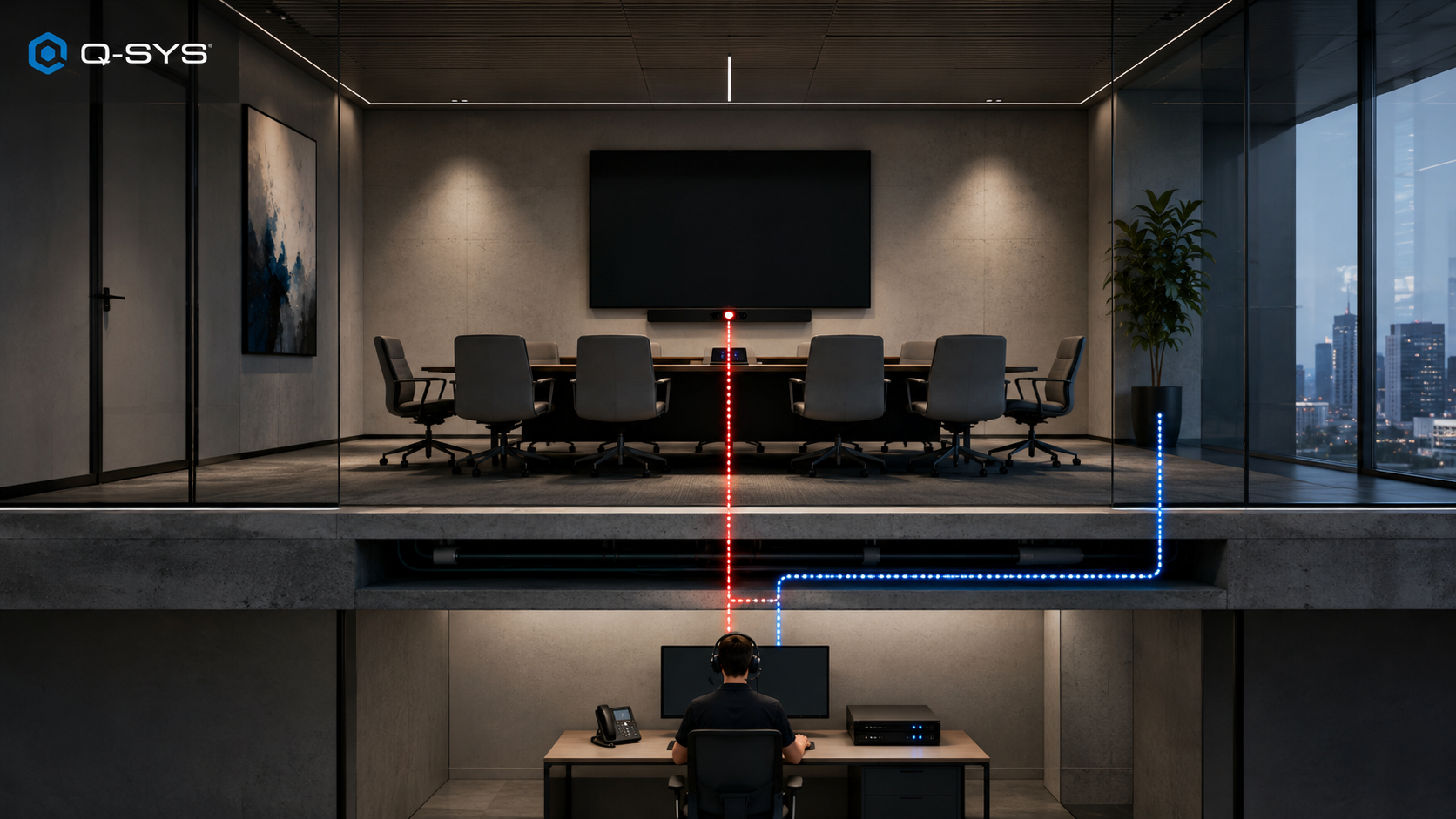
Many leaders implement a workplace cost optimization strategy without understanding the real estate vs productivity tradeoff. Conducting an enterprise workplace cost analysis reveals how space cuts impact your operational efficiency workplace metrics. Proper workplace ROI evaluation is essential to avoid destroying team performance while chasing rent savings.
Your real estate budget might look leaner this year. However, you must ask if your teams are actually more productive. You are likely cutting visible expenses while hidden operational waste continues to grow. This dangerous blind spot costs far more than rent. Let us explore how to avoid this costly optimization trap.
Related Articles
- AI Real Estate Boom: Are Tech Companies Ready to Manage It?
- Return-to-Office’s Hidden Cost: Accommodation Litigation Hits Three-Year High
- The Workplace Management Gap Is Widening – Here Are 5 Stats That Prove It
How do workplace cost reductions create hidden inefficiencies?
Direct answer: Cutting physical space without improving workflows creates massive coordination delays and daily employee frustration.
Global building utilization has increased to 53 percent, according to CBRE. Demand for office space surges and dips unpredictably. When you aggressively reduce square footage, you create peak-day chaos. Employees waste valuable hours searching for available meeting rooms.
A five-minute delay multiplies across every meeting participant. This structural drain on productivity costs more than rent. The workplace becomes a stage for coordination overhead rather than execution.
What trade-offs exist between cost and productivity?
Direct answer: Reducing real estate expenses often increases the time employees spend managing friction instead of executing tasks.
You cannot optimize the office by looking at facilities budgets alone. Hybrid work did not break the office. It simply revealed every weak link we used to ignore. Teams come in expecting seamless collaboration but leave highly frustrated.
If you only track occupancy, you optimize for mere presence. You must track outcomes to design for actual performance. Lower space costs seem positive until you measure work output.
Join the conversation and follow UC Today on LinkedIn for the latest enterprise technology insights.
How do organizations miscalculate workplace ROI?
Direct answer: Organizations miscalculate ROI by treating real estate savings as pure profit while ignoring compounding productivity losses.
Most financial models only measure lease reductions and desk ratios. They completely ignore the daily friction employees experience. Robert Half reports 55 percent of job seekers prefer hybrid work. This preference makes daily office demand highly volatile.
When spaces fail during peak demand, enterprise execution slows down. True ROI must account for these hidden operational costs. You might save two million dollars while losing five million elsewhere.
Where does cost optimization reduce performance?
Direct answer: Performance drops when teams lack the right spaces to make fast decisions and execute complex projects.