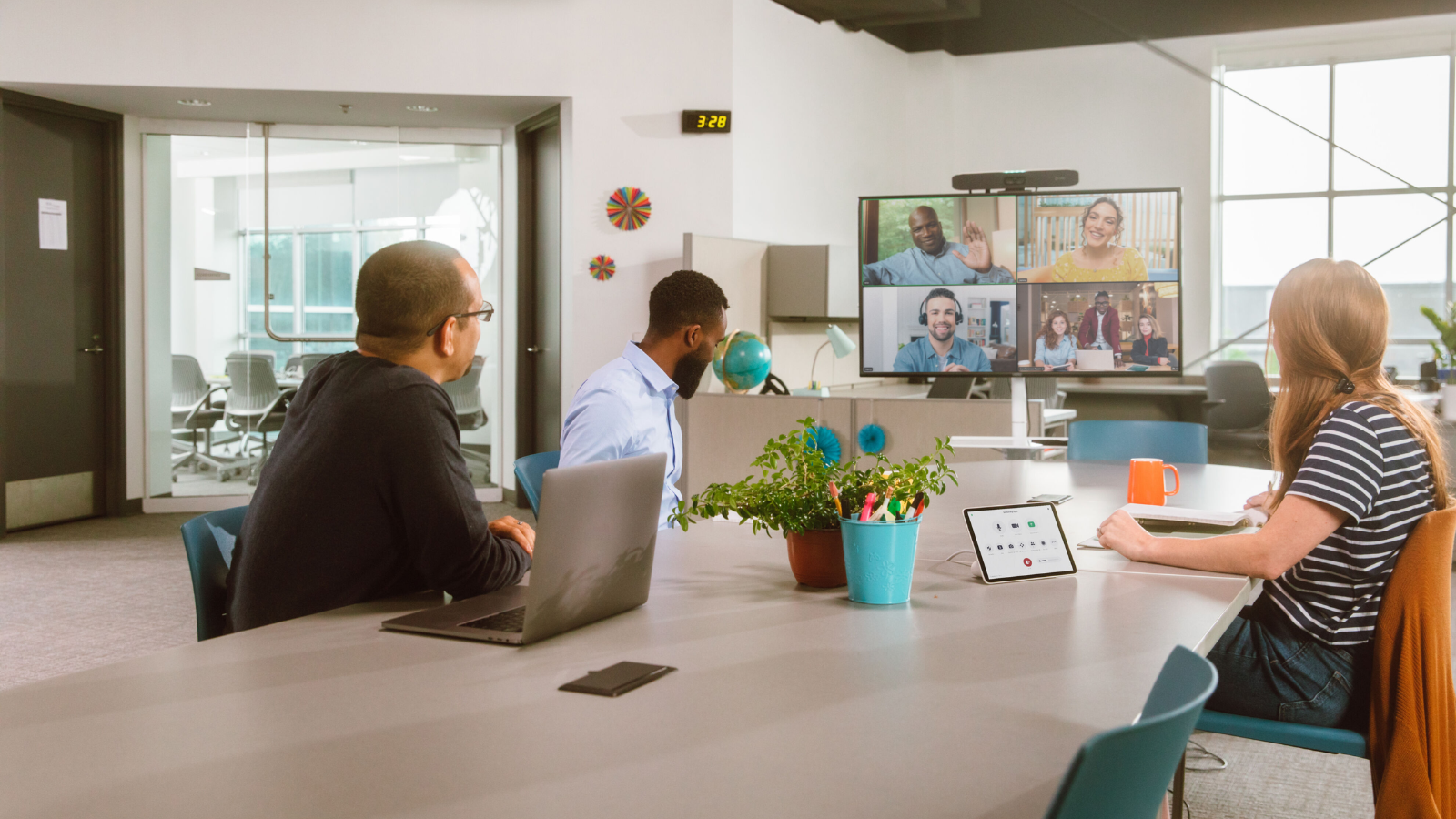
There was a time when a broken meeting room meant calling IT, waiting for someone to show up, and hoping they'd figure out whether it was the monitor, the cable, the ClickShare, or just someone who changed the input on Friday and forgot to change it back. You lost 20 minutes. Maybe you rescheduled. Maybe you gave up and used your laptop in the hallway.
Now, apparently, an AI agent named Lena can walk into the room before you do, check every device, match configurations against a known-good state, fix what's broken, and alert an admin if something needs human attention. The meeting starts on time. IT never gets the call. And nobody has to guess which HDMI input the CEO left it on after watching Formula 1 highlights over the weekend.
The building doesn't just exist anymore. It troubleshoots itself.
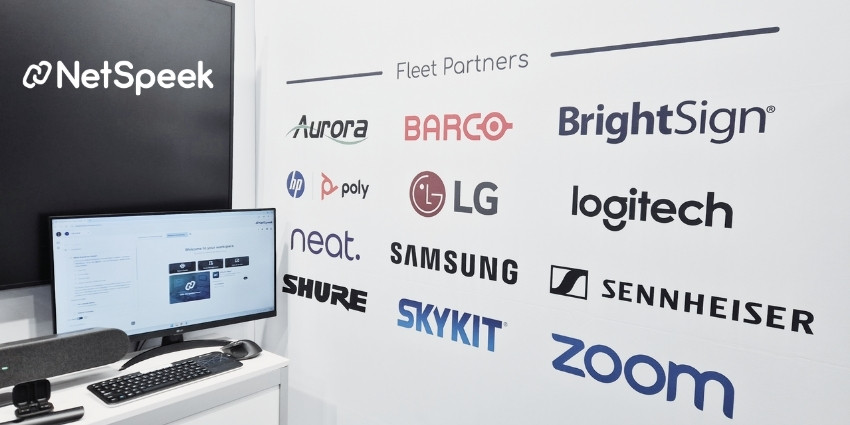
Sam Kennedy, EVP at NetSpeek, oversees a verticalized AI platform called Lena that focuses specifically on the administrative and operational side of AV systems. The platform uses an agentic architecture—multiple AI agents, each trained on specific manufacturers like Neat, Barco, Samsung, Poly, and BrightSign—to monitor, troubleshoot, and repair meeting room configurations automatically.
What makes this different from generic AI tools is specificity. Lena doesn't guess. It's trained on manufacturer release notes, API documentation, and configuration standards, stored in a separate database called Iris that eliminates hallucinations. When something breaks, Lena knows what "working" looks like for that specific device in that specific room—and can put it back.
One early customer told Kennedy that room-check alone would save them a million dollars. The product is already in market, customers are using it, and NetSpeek is ready for proofs of concept.
The Million-Dollar Room Check
Kennedy's first demo is simple: automated room checks. Someone walks into a conference room over the weekend, changes the monitor input, adjusts the volume, mutes the system, and walks out. Monday morning, employees arrive for a meeting and the room doesn't work.
Today, organizations solve this by sending people into rooms physically to verify configurations. NetSpeek has automated that process.
Lena runs scheduled checks and compares the current state of every device against a known-good configuration. If the monitor is on the wrong input, Lena switches it. If the volume is muted, Lena unmutes it. If the system is offline, Lena flags it for an administrator.
"One of our early customers has told us just this feature alone would save them a million dollars. The reason we picked room check as the first use case is because it is a universal thing. Everyone I talked to is having people go to these rooms."
The configuration interface is straightforward. An administrator specifies which devices are in a room, how they're connected, and what state they should be in for different modes: video conference, presentation, digital signage. From there, Lena handles the rest.
The system works across manufacturers. Kennedy demonstrated it with Barco ClickShare, but the same logic applies to Neat devices, Poly systems, Samsung displays, and any other supported hardware. The goal isn’t vendor lock-in, but seamless interoperability at the operational layer.
Related Stories
- → ISE 2026 Event News Hub: All Coverage
- → ISE 2026 Roundup: Interoperability, Invisible AI, and the Fight for Scalable Rooms
- → ISE 2026: Meeting Room Booking Systems Now Use 100x Less Power Than iPads
- → ISE 2026: GoBright's AI-Powered Office Knows When You're Coming
Natural Language Troubleshooting (With Guardrails)
The second capability Kennedy demonstrated is more ambitious: natural language troubleshooting. An admin can describe a problem in plain English—"ClickShare is not working"—and Lena will diagnose and fix it.
In Kennedy's demo, the actual problem was that the monitor was turned off, not that ClickShare had failed. But the user didn't know that, and neither did the help desk. Lena checked the ClickShare (working fine), checked the display (off), and offered to turn the monitor on. Problem solved remotely, no truck roll, no wasted time diagnosing the wrong issue.
Kennedy was asked whether this capability could extend to end users—whether employees in a broken room could ask Lena directly to fix it, rather than calling IT. His answer was cautious but clear: not yet, and not without strict access controls.
"You don't want them to go, 'reboot all of these devices.' I mean, it's one of the demos. I use natural language to reboot everything. You don't want that. So you've got to build a lot of controls in there. And that's where we haven't done it yet."
The technical capability exists. The governance model doesn't. And that distinction matters, because once you give a system the ability to act on natural language commands, you need rules about who can ask what—and what happens when someone asks the wrong thing.
Why It Doesn't Hallucinate
Kennedy spent time on architecture, which is unusual for a vendor pitch but revealing. The problem with using consumer AI tools for AV troubleshooting is that they don't know the domain. They guess. They hallucinate. They pull from Reddit threads and outdated forums.
NetSpeek built a separate knowledge system called Iris that ingests documentation directly from manufacturers—release notes, API specs, configuration guides—scrapes and formats it, and feeds it into a trusted database. A human engineer reviews it to ensure accuracy. That database trains Lena.