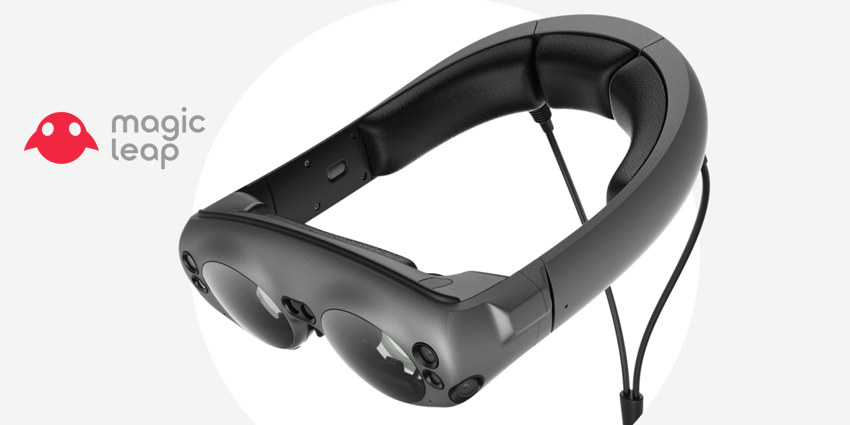
Back when we reviewed the Magic Leap entertainment headset in 2018, we thought it was an exciting jump forward in AR technology. The device was a sleek, lightweight, and impressive solution in the world of mixed reality headsets, with the potential to drive some incredible end-user experiences. However, just like similar concepts, such as Google Glass, the Magic Leap brand failed to stick the landing with its flagship product.
For whatever reason – perhaps a lack of proper marketing, or a higher-than-affordable price tag, the Magic Leap One headset just didn’t get the hype that it wanted (or deserved). However, the good news for AR fans, is that Magic Leap hasn’t given up hope just yet. The brand has tumbled straight out of its failure with the consumer market and pivoted into a new strategy with business technology.
Augmented Reality For a New Crowd
The upcoming products for the Magic Leap Enterprise Suite will specifically target the business landscape, including the healthcare vertical. We’ve already seen some evidence that the health industry could be one of the top adopters of new virtual and augmented reality tools, particularly as telehealth becomes more popular.
The enterprise suite from Magic Leap will enable modern employees to use things like spatial computing to learn new skills, manage data, and collaborate in a new environment, with 3D visualisation. Magic Leap believes that focusing on the business environment, rather than the consumer industry will help it to recover from the poor reception to the Magic Leap One Creator Edition of entertainment equipment. The CEO of Magic Leap, Rony Abovitz, expected that the entertainment headsets would sell around one million units in the first year.
It wasn’t just wishful thinking either – the Florida-based company raised $3.13 billion in venture capital to get its idea of the ground. Unfortunately, the company only managed to sell a total of 6,000 of the futuristic headsets within the first six months.
A New Chapter in Spatial Computing
Though comfortable, immersive, and unique, the Magic Leap technology just didn’t vibe with customers as well as the company had hoped. Fortunately, Chief Product Officer, Omar Khan, says that there are still opportunities for Magic Leap to get the jump on the VR/AR competition. The move into the business landscape will signal the arrival of a new chapter for Magic Leap and the spatial computing industry. Magic Leap even believes that the new strategy will lead to significant new business opportunities for its stakeholders.
While the decision to focus on the business market could lead to exciting opportunities for Magic Leap, it’s also worth noting that it puts the company in direct competition with some major brands. Leading companies like Microsoft and Google are already building their own AR applications in the business world. However, there may still be room for a competitor like Magic Leap to sweep in and take a piece of the market. Industries from banking and healthcare to investment services have begun to show that they’re more responsive to AR than consumers in search of entertainment.