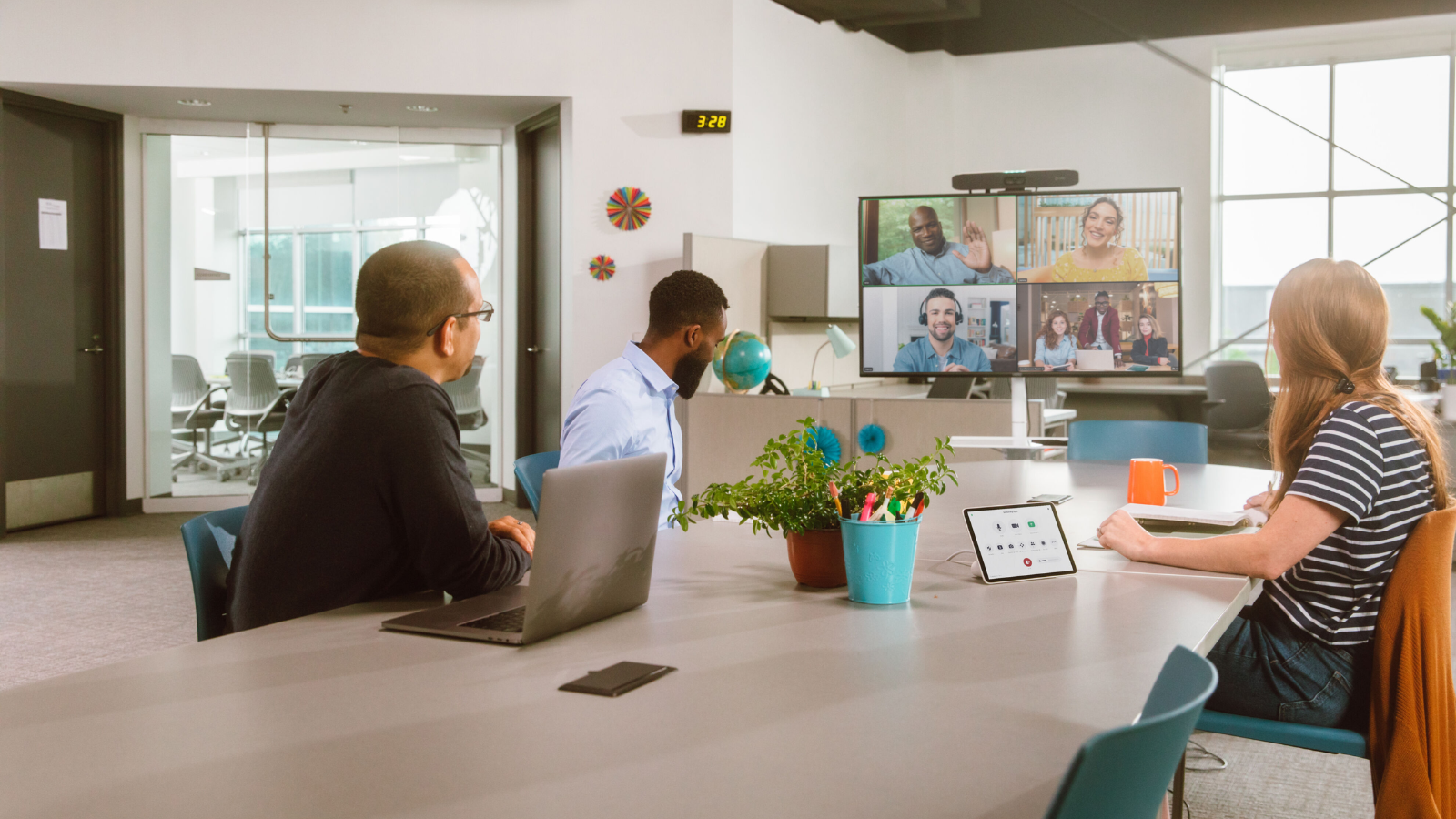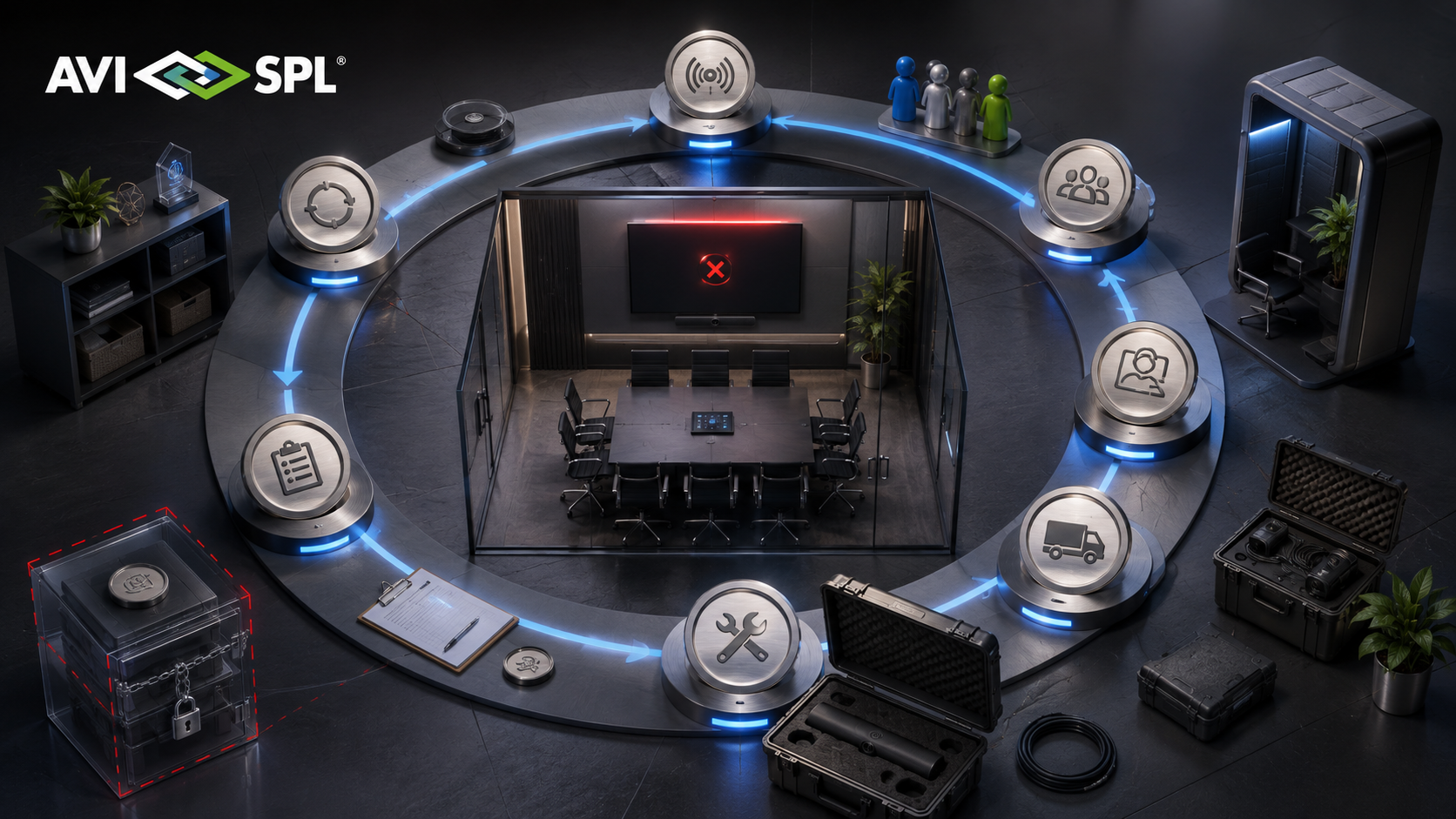
While many companies are searching for ways to drive employees back into the office, the hybrid work model remains a popular choice for evolving organizations. The flexibility offered by hybrid workplaces can significantly increase productivity, and employee engagement, while reducing costs.
However, facilitating effective hybrid work requires companies to invest in the right tools and technologies, to ensure teams remain unified and aligned. Microsoft Teams Rooms has emerged as a powerful solution for bridging the gaps between distributed teams.
“The future of the hybrid workforce is more exciting than ever, especially with the addition of AI and Copilot. The enhanced collaboration and time savings is already being realized by employees and businesses.”
- Susan Barry, Microsoft Partner Alliance Manager for New Era Technology.
The question is, how do you optimize your MS Teams Rooms deployment, with a focus on meeting equity, inclusion, and user experience.
Here’s your guide to maximizing MS Teams Rooms for hybrid work.
Step 1: Setting Clear Goals
With any major meeting room or video collaboration deployment, it’s crucial to start with a clear vision for what you want to accomplish. Are you hoping to improve engagement and collaboration among all team members, with a standardized approach to meeting room deployment?
Do you want to empower every staff member to use their preferred devices in meeting room settings, and reduce operational costs by creating multi-functional meeting spaces? What specific challenges will you need to address for different types of meeting room users?
When setting your goals:
- Evaluate your user landscape: Identify the people who will be using your MS Teams Rooms, and how they prefer to communicate and collaborate. Establish how the needs of different user groups might differ, and how you’ll adapt your space to all requirements.
- Focus on meeting equity: Employees in the office and remote staff members should have the same immersive, inclusive experience during meetings. Think about how you can bridge the gaps between every employee, and ensure they all have a “seat at the table” in meetings.
- Define what success will look like: Determine how you’ll assess the success of your MS Teams Rooms strategy. Will you monitor adoption levels, track engagement among staff members, or collect regular feedback from staff?
Step 2: Evaluating Room Requirements
Once you’ve set clear goals for your MS Teams Rooms deployments, examine your existing resources. Do you already have the AV equipment you need to run effective video meetings? Is it time to upgrade your solutions or install new resources to support hybrid work?
For instance, you may already have displays in your meeting rooms, but you might decide to upgrade them with touch screen solutions that can support collaborative whiteboarding. You may decide to leverage new integrations to connect your Microsoft Teams deployments with room booking software. Ask yourself:
- Is your network ready? A robust and reliable network infrastructure will be crucial to a successful MS Teams Rooms deployment. Examine network bandwidth, latency, and scalability, and determine whether your existing connections can support increased meetings.
- Do you need new hardware? Alongside new cameras, microphones, and similar systems, you might need to consider investing in new tools for lighting, acoustic management, and content sharing or presentation.
- Which integrations are crucial? Does your Microsoft Teams Rooms deployment need to connect to other platforms or tools? Do you want to align Teams with Cisco Webex, install new solutions for identify and access controls, or integrate with resource management tools?
Step 3: Determine a Standardized Approach
As your meeting requirements and workforce evolves in the era of hybrid work, taking a standardized approach to room deployment will save you a lot of time and effort. Drawing a comprehensive plan for how you’re going to install new hardware, configure software, and onboard users is crucial.
Take a holistic approach when designing your implementation process. Think about how you’re going to handle things like meeting room booking and scheduling, user authentication, and meeting room monitoring and management.