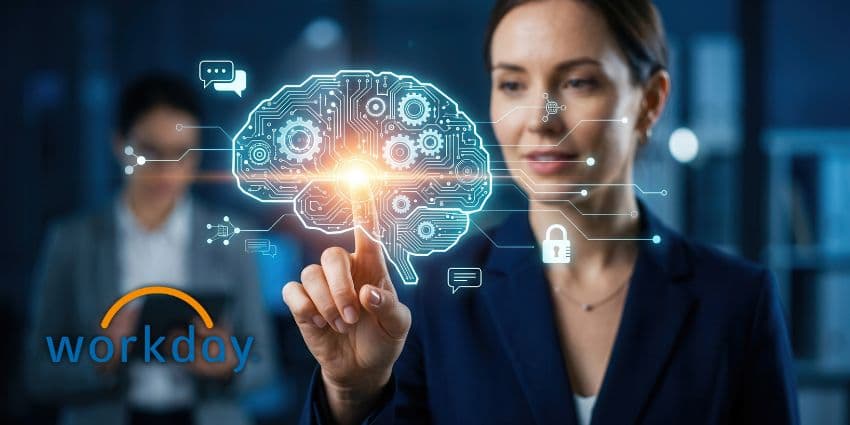
Workday has made Workday Learning, powered by Sana, generally available worldwide, introducing an AI-powered learning platform that gives employees a personal tutor to support learning and tailor development recommendations.
Available to Workday HCM customers globally or as a standalone offering, the platform is designed to make corporate training more personalized, interactive and easier to manage. It supports everything from onboarding and compliance to skills development, internal mobility and role-based learning.
As enterprises work to upskill employees and help them adapt to new processes, tools and ways of working, learning is increasingly seen as a critical part of business transformation. That broader trend sits behind Workday's move to bring Sana's AI capabilities into its learning suite.
AI Tools for Content, Coaching and Learning Operations
At the core of Workday Learning, powered by Sana, is the idea that employees should not have to navigate a conventional catalog of static courses on their own. Instead, the platform gives each learner access to an AI-powered personal tutor that can answer questions, explain unfamiliar concepts and guide them to relevant resources as they learn.
The tutor can use an employee's Workday context, including their role, skills, career interests and organizational information stored within the company's human capital management data, to provide more relevant learning recommendations. An employee preparing for a new role, for example, could be directed to the right materials and receive guidance throughout the learning process instead of relying on a manager or L&D team to manually create a development plan.
The platform also introduces conversational search. Employees can ask questions in natural language and find learning content, knowledge and resources without needing to know the exact title of a course or where a document is stored. The goal is to make learning feel more like an always-available workplace assistant than a separate system employees only visit when training is mandatory.
For learning teams, Sana's AI is designed to speed up content creation and maintenance. Existing files such as slide decks, PDFs and documents can be converted into interactive learning experiences, while AI can help create assessments, draft content and translate programs for global audiences. That could reduce the time and specialist resources traditionally required to refresh training materials at scale.
Workday is also positioning the technology as a way to measure learning through its impact on workforce outcomes, including skills development, internal mobility, performance and retention, rather than relying solely on course completion rates. According to the company, some customers using these capabilities have reported compliance reporting that is up to five times faster, learner engagement that is three times higher than with legacy learning systems, and significant time savings for administrators and learning teams.