Workforce intelligence is shifting from an HR feature into a company-wide capability engine. Strip away the hype and the change is simple: organisations are moving from managing jobs to managing capabilities. That shift is reshaping workforce management, the HCM platforms behind it, and how leaders plan for the future of work. (For the broader culture-and-capability context, see this guide.)
From Job-Based HR to Capability-Based Workforce Management
For decades, HR technology was anchored to job architecture. Companies hired for roles, trained for roles, and promoted through roles. That model worked when work was stable, linear, and mostly contained inside departments. Today, it breaks down. Teams are fluid, projects move faster, and value is created across functions.
Workforce intelligence is the operating layer that makes capability-first organisations possible. Instead of asking “Who fits this role?”, leaders increasingly ask: “What capabilities do we need next quarter, and where do we already have them—even if they sit outside the org chart?” That sounds subtle, but it changes the logic of planning, hiring, and development.
This is why talent intelligence software is rising quickly. Its core value is treating capability as a living resource, not a static label. When capability becomes the unit of measurement, internal mobility, development, and hiring stop acting like separate processes. Instead, they behave like one connected system across the talent lifecycle.
The Rise of Talent Intelligence Clouds
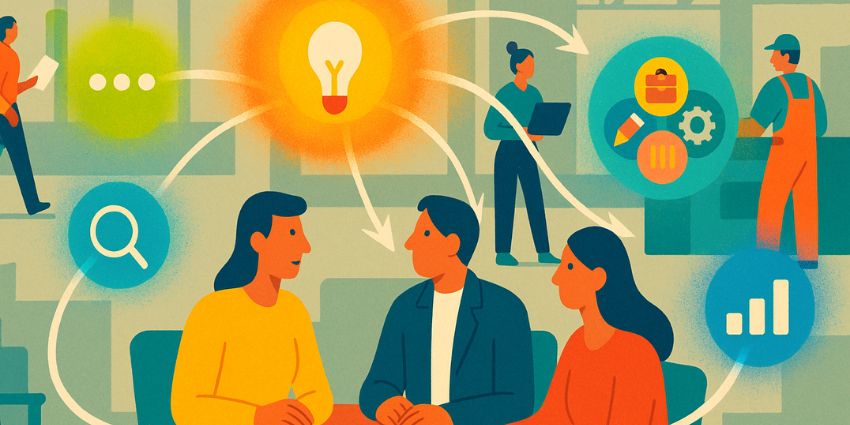
Talent Intelligence Clouds are emerging as the backbone of modern workforce intelligence. They sit above traditional HR systems and connect the moving parts of workforce management: skills, work opportunities, learning, and planning. Think of them as a talent layer that makes your workforce easier to search, deploy, and scale.
What makes this different from older “talent suites” is the focus on flow. The organisation starts to behave like a marketplace of work and capability, where people move through projects and teams based on what they can do and what they want to develop. That helps businesses respond to change without defaulting to external hiring every time priorities shift.
In practice, workforce intelligence platforms help companies: