Office focus spaces aren’t an entirely new concept. In a fast-paced work environment filled with different types of employees, many staff members need areas where they can work without distraction. Studies show information workers generally have to navigate distractions once every 10.5 minutes, and it can take up to 25 minutes for them to refocus each time.
The rise of hybrid and remote work drew attention to how valuable the right focus spaces can be. Without the traditional office space interruptions, teams became more productive, less stressed, and more creative. As a result, companies implementing “return to office” mandates are rethinking how they structure their environments to support focused work.
Today’s business environments must include dedicated spaces for various working styles and situations. Today, we will examine the office focus space, how it works, and why it’s essential to team success.
What are Office Focus Spaces? The Basics
Office focus spaces are designated areas or rooms in a business environment tailored to help individuals navigate tasks that require concentration. Otherwise known as “quiet” spaces, focus spaces aim to eliminate distractions and improve creativity, productivity, and engagement.
Basic “focus spaces” build on the benefits of giving each employee their own dedicated room in an office as an alternative to open-plan landscapes supporting multiple employees at once. While collaborative spaces are still crucial for boosting creativity and teamwork, there’s a growing demand for quieter environments designed to address specific employee needs.
In part, the popularity of office focus spaces in the modern world is a side-effect of the clear benefits home offices have offered remote workers. However, it’s also a result of a broader change in how we work and the tasks teams carry out daily.
With more routine and repetitive tasks delegated to AI tools and automated systems, many employees spend more time on creative, strategic processes. This means they need an environment to hone and maintain their focus.
The Benefits of Office Focus Spaces
Specially designed to support intense focus and critical thinking, office focus spaces minimize distractions and encourage productive work. They can come in various forms, from dedicated office cubicles featuring ergonomic furniture and sound masking to hybrid meeting rooms.
Modern office focus spaces can deliver a range of benefits to organizations, such as:
- Enticing employees back into the office: Exposure to endless distractions is one core reason why employees reject “return to office” mandates. One study found that increased available focus spaces for video calls, private work, and meetings are among the most significant factors encouraging staff to re-enter the office.
- Improved collaboration: Collaboration is crucial to the success of any business. Unfortunately, collaborative sessions can be hampered by meeting spaces filled with distractions. Focus spaces help to align hybrid, remote, and internal employees in a dedicated space where they can connect, create, and innovate.
- Enhanced inclusivity: While office environments have recently evolved, few landscapes are tailored to support true inclusivity. Introducing office focus spaces ensures neurodivergent employees and those with different working styles can enjoy a comfortable, supportive workspace.
- Greater productivity: Our brains are wired to constantly monitor sounds, movements, and other forms of stimuli. The more stimuli around us, the harder it is to concentrate, create, and innovate in the workplace. Focus spaces give employees an environment conducive to achieving their goals and delivering their best work.
- Reduced stress: The noise and chaos of an open-plan office can increase feelings of stress and negative moods. Well-designed office focus spaces help to eliminate this stress and improve employee experiences. One study found that 41% of office workers felt more relaxed and energized after using a focus space.
The Common Types of Office Focus Spaces
The term “office focus spaces” is much broader than most companies realize. It’s easy to assume a focus space is just a quiet environment designed for a single employee. However, the nature of the work assigned to an employee and their working style influences how focus spaces are designed.
When creating focus spaces for traditional work environments, or “office neighborhoods,” business leaders must consider various workplace settings. The proper focus spaces should facilitate various tasks for individuals, pairs, small teams, and more. Some common types of office focus spaces business leaders might implement in 2024 include:
1. Quiet Rooms for Individual Work
Quiet Rooms are one of the most common types of office focus spaces, typically designed to address the needs of an individual employee concentrating on a specific task. They often feature sound-proofing materials and furniture to ensure privacy and block distractions.
They may include various technologies, such as video and audio conferencing hardware, computers with installed collaboration software, desk phones, and headsets. Like many office-focus spaces, these environments are usually managed with room booking and desk reservation software.
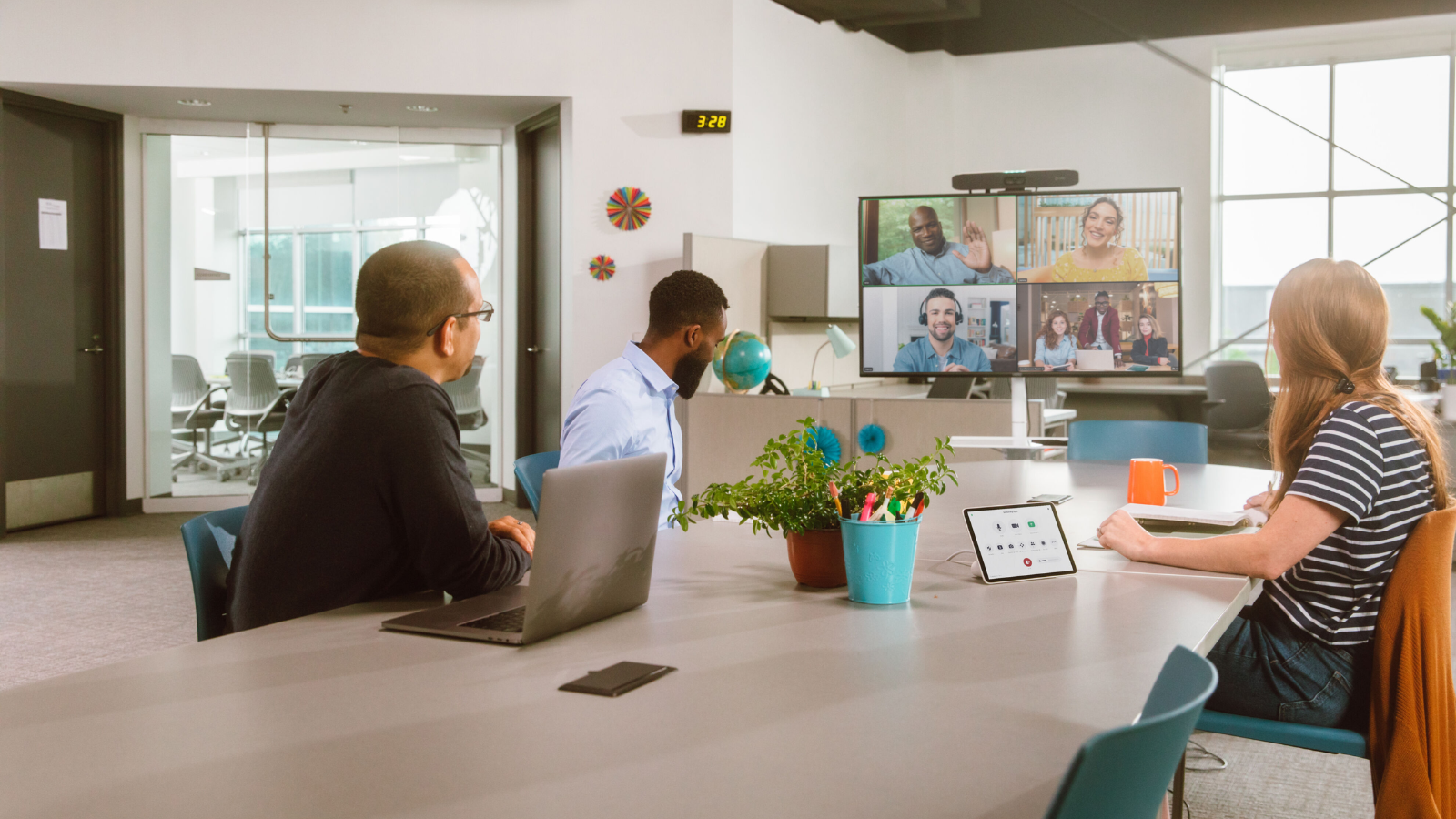
2. Hybrid Meeting Rooms
When planning office focus spaces, companies must balance offering environments for independent work and facilitating collaboration. Meetings remain essential to the modern workflow for most teams. Hybrid, remote, and in-office employees need to connect effectively with each other and external contacts without distractions.