The world of work has evolved into a series of connected spaces that encompass IoT, OT and AI to enhance workplace communication and productivity - bridging physical and digital experiences.
In fact, the pace of change is so great that recently coined terms such as ‘modern work’ are already out of date. Instead, we’re entering an era in which users can choose how they communicate and starting from their personal context – the room they use – extending into the devices, platforms and their personal preferences across different spaces. More people want and expect an integrated experience that reflects how they want to work and connect.
Beyond Modern Work
“Corporate customers are trying to create not only a connected experience for their workers but also an immersive, cohesive experience,” explains Ashley Evans, SVP Sales-Global Strategic Partnerships and Business Development at New Era Technology.
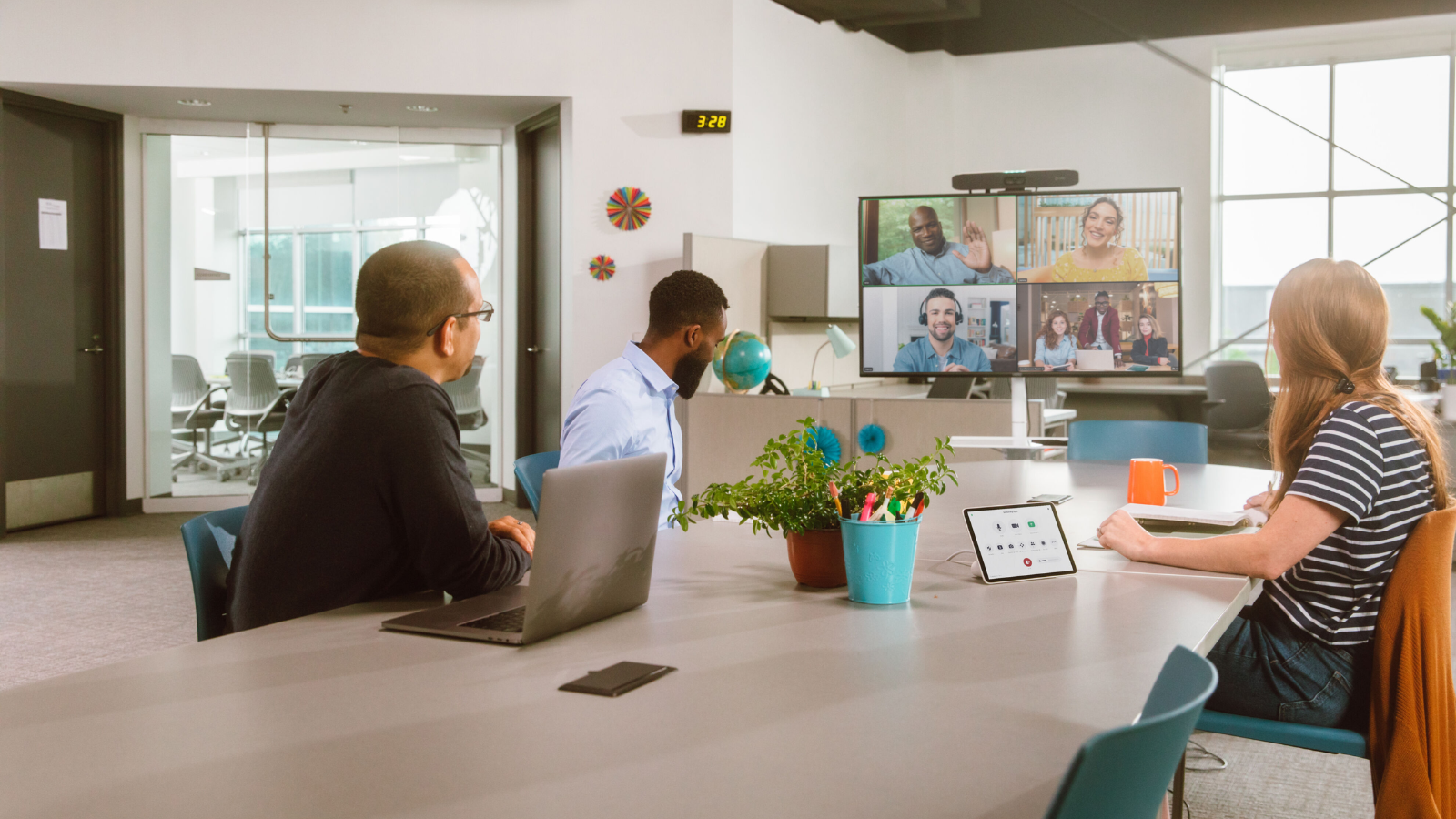
“Collaboration tools provide the foundation for modern work, but customers are struggling to understand what people really want from their experience, where they want to sit and why, what is the best space for 8 people trying to build a workflow vs. 8 people reviewing a demonstration, what are the most important experiences people want. This goes far beyond back-to-work and the modern work concept, and places human-centred design and the immersive experience as an organizational priority.”
Evans highlights that New Era Technology has been collaborating with several global pharmaceutical and financial services customers embarking on large commercial real estate projects. They are all developing more flexible and immersive spaces – encompassing around 50 different types of environments, from huddle, conference and break-out rooms to a 400-seat auditorium and areas with large tables for more than 20 people to collaborate.
“For workers at a major pharmaceutical company in NYC, it’s a miraculous transformation from their previous 60-year-old building.” The company created an environment where workers have access to over 30 different types of connected experiences - encompassing meetings to more-lifestyle orientated amenities including daycare, lunch areas and clinics.
“All the while making the technology as invisible as possible,” says Evans. “Meeting equity is taken to a whole new level promoting engagement, using interactive boards, and GenAI assistants and WeWork style meeting spaces interspersed with traditional huddle, conference spaces. The trick is in embedding the corporate culture and its commitment to science and sustainability.”