In a world where cloud-based software seems to be taking over, hardware solutions like SIP and conference phones are easy to overlook. However, conferencing devices still play a significant part in the way that many businesses work.
The right phone solution can do a lot more than just connect teams for a multi-way call. As the way we operate evolves, the conference phone market transforms too. The result is a new kind of conference phone market – one that’s growing at an incredible 11.5% CAGR.
Once a somewhat basic tool in the business communication world, conference phones are becoming a critical part of the way that teams work together. These powerful devices enhance productivity, increase context, and add more value to the way that people communicate in an age of remote work.
So, what do you need to know about the conferencing space, and where the market is heading?
Endpoints are Still Essential
Conference phones are just one example of a critical endpoint in the corporate landscape. As valuable as the software is when it provides us with access to things like screen sharing, instant messaging, and video chat, we still need endpoints for a comprehensive communication strategy.
In certain regions, the demand for endpoints is higher than it is in others. For instance, the US maintained the highest share of communication endpoint demand during 2018. However, despite concerns that the plastic desk phone might be dead, need for individual, and conference phones continues to grow.
Crucially, the conference phones available today aren’t the ones we’re used to. Years ago, finding the ideal conference phone was all about picking the tool with the best audio quality and the best bandwidth. While those considerations come into play today, there are also new things to consider. For instance, how can you connect your conference phone to your video system?
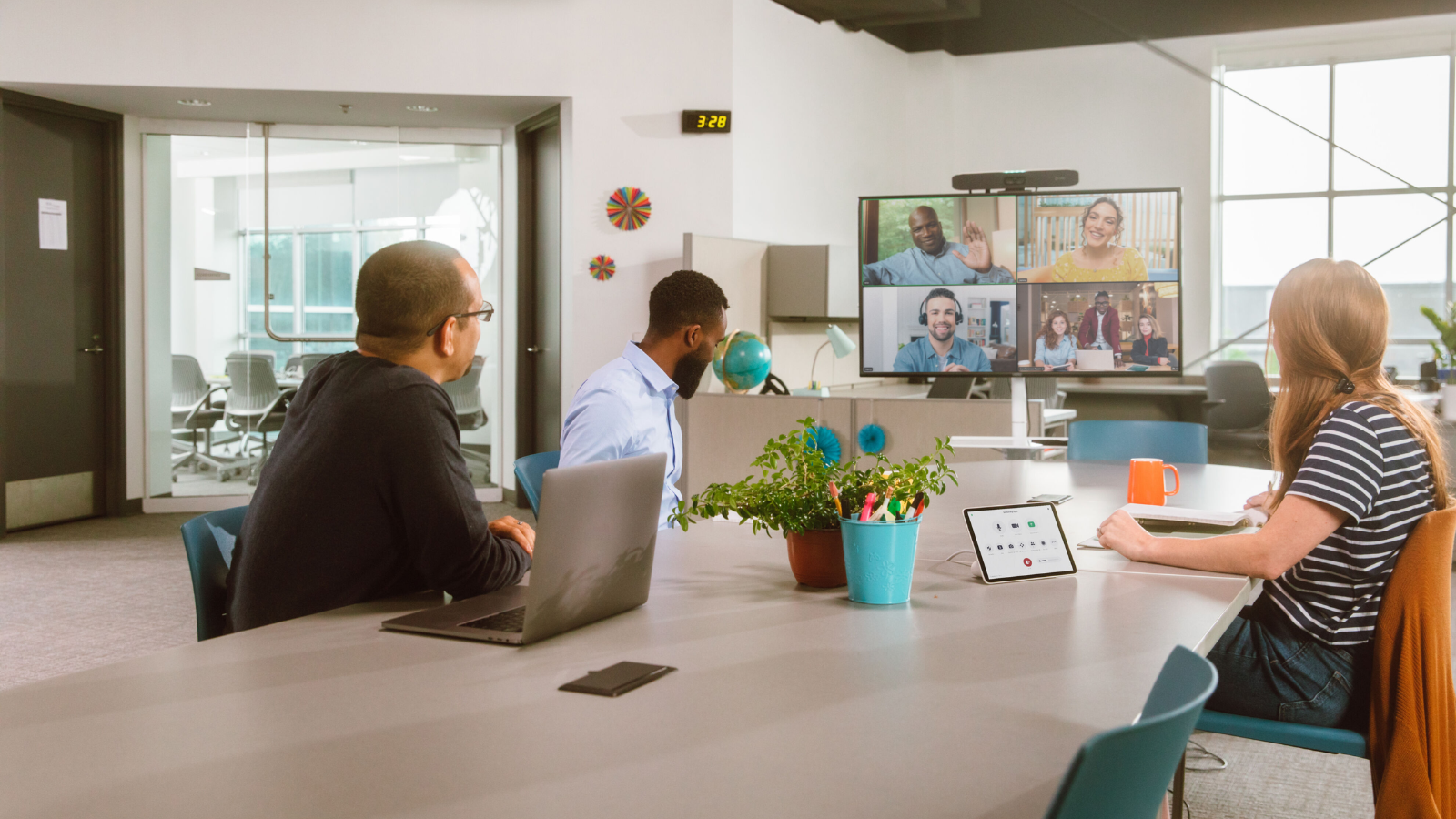
Some businesses in the conferencing landscape are beginning to offer all-in-one room kits, specifically intended for the agile companies emerging today. These plug-and-play devices provide more than just on-demand audio. The modern conference phone can combine with multiple other endpoints to provide a full huddle room or conference room experience.
The Transformation of Business Conferencing
The biggest driver of change for the conference phone is the changing nature of the meeting. Conferencing has become one of the most diverse areas of the UC market, with dramatic shifts happening in the way that we connect. Web conferencing has achieved incredible growth in recent years, with a massive appeal for companies that want quick and easy meetings.
Video is quickly emerging as the norm for many conversations in a collaborative setting. Companies are beginning to discover that having incredible audio and voice quality isn’t enough. For teams to be as productive as possible in the new environment, we need access to all kinds of content.
Conference phones have evolved beyond just offering voice as the only mode to communicate. Today’s devices can connect with leading collaboration tools or integrate with video chat. The best conference phones come with a range of advanced features, all designed to make meetings easier and more intuitive.
Conference phones enabled with the latest software can deliver new functionality through access to API and built-in integration solutions. This ensures that business leaders can connect the applications that they already have in place for meetings, to the hardware that’s best for their team. For instance, with the Microsoft Teams API, you can use the screen on your conference phone to send instant messages and files while you’re in a call.
As the communication world has grown more complex, businesses have begun to look for intelligent ways to make conversations simpler too. For instance, the rise of voice-activated smart assistants has prompted the new demand for digital assistants built into phone hardware. These solutions deliver a similar experience to having a smart speaker at home. Some assistants can start recording a conversation on-demand or launch a meeting without any complex set-up.
Adapting to the New Age of Conferencing
Research from leading companies like Avaya in the State of Desktop 2019 report highlights the changing nature of desktop technology. The review reveals that there’s an increasing need for advanced video and audio conferencing tools in the workplace. Businesses are looking for reliable ways to improve video and sound quality in their meetings.
Having the right high-quality business meetings means more than just having access to the right software. Endpoints are often one of the main components dictating how successful a meeting can truly be. Avaya revealed that many business conference rooms today feel like an “obstacle course” that employees need to conquer. However, the best conferencing places will include hardware that’s easy to access and use.