
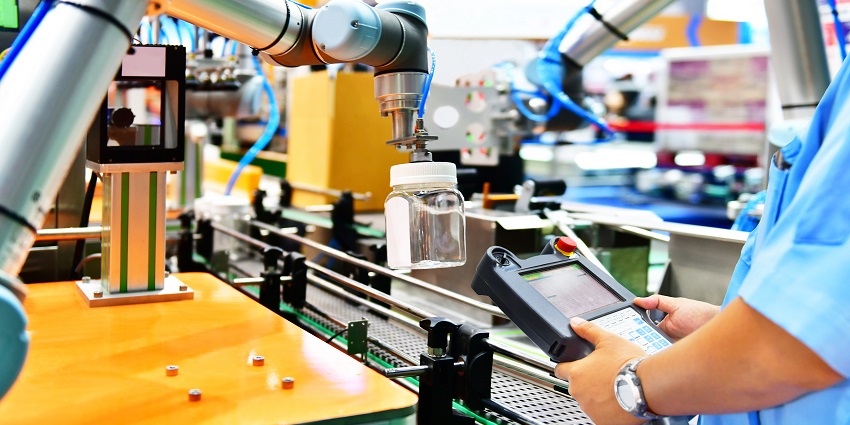
The manufacturing world is always changing. For years, the manufacturing industry has been one of the most agile sectors around. With constant pressure to innovate and evolve, companies in this space need to consistently adapt to new trends, processes, and technologies.
Now, the rise of disruptive new concepts like IoT, AI, and 5G are paving the way to an incredible future for manufacturing brands. Increasingly, we’re seeing the rise of new “smart factories”, and automated systems helping to define the future of Industry 4.0.
However, staying ahead of the curve in the manufacturing space isn’t just about exploring the latest tools in XR and machine learning. Companies in this space also need to ensure they have the right foundational tech in place to facilitate efficient, safe, and innovative workplaces.
Unified Communications technology can provide manufacturing businesses with the critical tools they need for aligning, synchronizing, and empowering teams for the new age of production. However, when budgets are limited, creating a business case for UC can be tough.
Here’s how you can present your case for Unified Communications in manufacturing.
Step 1: Examine the Growing Need for Agility in Manufacturing
Most manufacturing brands today are constantly searching for new ways to innovate and evolve. However, the only way to generate the best outcomes in this fast-paced environment, is to ensure the right systems are in place to facilitate agility.
Thanks to the rise of Industry 4.0, the most lucrative manufacturing brands in the years to come are likely to be those capable of embracing new and disruptive technologies as they emerge. However, many of the most powerful new technologies depend on a strong foundation of communication.
For instance, implementing IoT devices and artificial intelligence into the manufacturing space can allow companies to set up automated systems which instantly alert the right engineers and employees when devices are about to malfunction. This reduces the need for downtime, and can save companies significant time, resources, and money. To ensure the right people are connected with the correct data, intelligent sensors and tools need to align with a strong communication system.
A UC environment implemented in the workplace will ensure you can keep employees up-to-date with critical information on any channel, whether they’re collecting data from colleagues or directly from machines. A flexible UCaaS ecosystem can integrate with the various tools businesses use to keep their manufacturing staff informed, to improve the agile flow of information.
Step 2: Look at the Power of Employee Experience
Studies show that only around 25% of manufacturing employees currently feel engaged at work. In any business landscape, an engaged, informed, and empowered workforce paves the way for better innovation and growth. Unified Communication tools can open the door to better “EX”, which has a direct impact on the performance of the entire business.
Unified Communication tools give employees in the manufacturing sector an all-in-one environment where they can track crucial information, access answers to questions, and collaborate with team members. The right tools can remove the silos between different parts of your manufacturing department, which helps to boost engagement for every staff member, and facilitate innovation.
With an innovative UCaaS platform, manufacturing companies can connect engineers and professionals on the production floor with specialists anywhere in the world. This helps staff members to resolve problems faster, and achieve higher levels of productivity. At the same time, the right tools can make employees safer in an otherwise threat-laden environment.


