
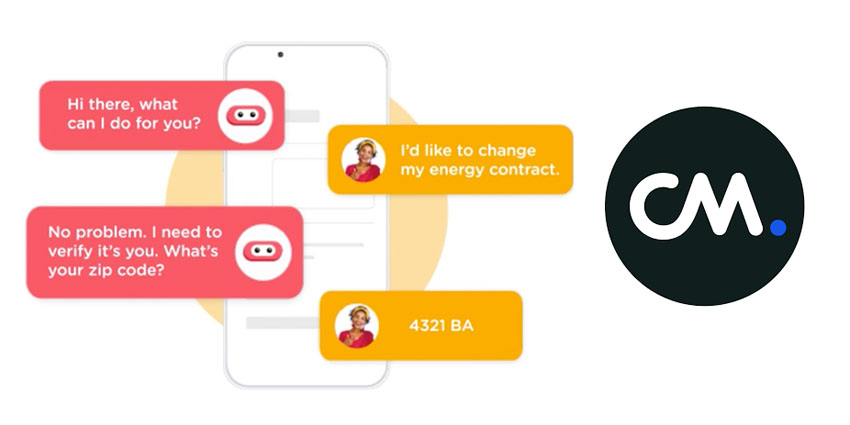
Customer service has gone a long way since its early days. From serving strictly practical functionalities of supporting or selling products, it has turned into a core ingredient of the business.
"Companies are developing a new perception of customer service, where it isn't a mere necessity, but the key selling point," notes Arman van Lieshout, Product Owner Conversational AI at CM.com.
This shift in the perception of customer service has also inspired fundamental changes in the communication methods companies use to operate it.
That's where new conversational channels come in.
The Omni-Channel Aspect
A key element to consider when enhancing customer interactions is the ever-expanding variety of conversational channels, such as WhatsApp, Apple Messages for Business, and Facebook Messenger. The number and type of channels that customers are active on are constantly changing, which poses a major challenge for brands.
"Customers interact in different ways on different channels, but they still expect the same level of service across all channels. It's the brand's responsibility to provide that to them, meeting the customer where they prefer to be," van Lieshout explains.
So, what are the most prevalent customer interaction channels to date?
"In terms of popularity, web chat is currently still the most commonly-used channel, but WhatsApp is not too far behind, along with RCS, Facebook Messenger, and Google Business Messages. It very much depends on the capabilities and preferences of each region."
The best way for modern-day companies to optimize their various conversational channels is to turn to automation and conversational AI.
The Benefits of Conversational Automation
For brands, automating conversationas has quite a few benefits, both in terms of customer experience and employee experience.
"On the customer side of things – customer satisfaction and loyalty go up significantly because customers are helped faster," van Lieshout notes.


