
A recent Research and Markets report estimated, in 2018, there were 32.4 million Huddle Rooms in use. Surprisingly, the same report revealed, less than two percent of Huddle Rooms carried video conferencing functionalities. Enterprises without video conferencing would be smart to enable it, given the advantages.
By definition, Huddle Rooms are compact conference areas that have audio/video display technology. For smaller groups of employees, Huddle Rooms prove useful when collaborating. They are even becoming a key component in the modern workspace. Huddle Rooms are, too, predicted to be a permanent fixture in the ‘future of work' - thanks to a global workforce.
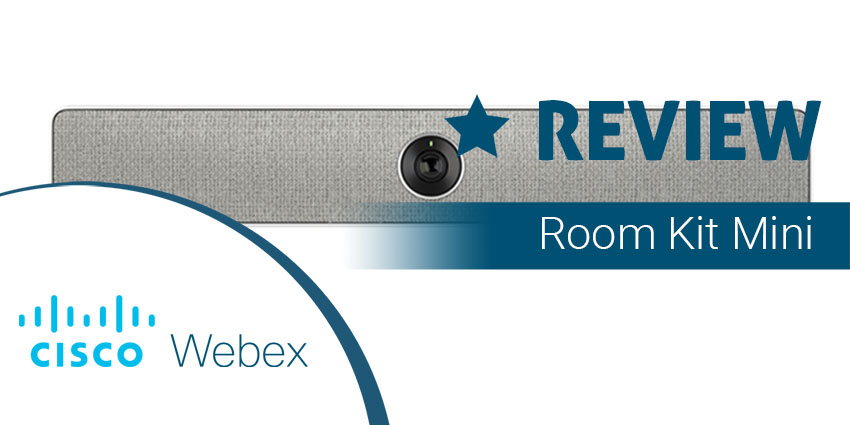
Last year, Cisco introduced its Webex Room Kit Mini, which I recently had the chance to review. Cisco built a striking endpoint powered by Artificial Intelligence. The device enables global teams to connect via the video conferencing solution for collaboration purposes.
Cisco Webex Mini Features
Because of its price and size, Cisco's Webex Mini makes creating a Huddle Room environment a reality for more enterprises. Something I particularly enjoyed about the Mini is that it uses Cisco’s on-premises and Cloud video conferencing software. It also comes equipped with a USB cord so end users can make use of other video conferencing systems such as Skype for Business. Zoom is among the few collaboration leaders to have a similar offering - it pairs with an array of video conferencing solutions, proving Cisco has some competition in the space.
The folks at Cisco must have taken a long look at the market and made this decision, and for that they are wise. They join Zoom in offering enterprises the flexibility of bringing their own video conferencing software while they provide reliable hardware.
Cisco even has a digital whiteboard with wireless sharing and video conferencing capabilities along with Webex Share. The device harnesses the power of an app to share entire HD screens wirelessly.


