

Touchscreen displays, digital whiteboards, content-sharing devices – whatever you want to call them, these large-screen UC-in-a-box offerings are changing the world of business. As multifunctional solutions to collaboration services, digital whiteboards are packed with software that allows versatile teams to digitally share screens, annotate images, and work together through video conferencing.
The devices are certainly capable of filling important gaps in the world of conferencing and collaboration. For instance, in the past, meeting participants might have had to scribble sketches onto traditional whiteboards and point cameras at the drawing for remote viewers to see the image. Now, you can share drawings in real-time, thanks to interactive technology.
The only problem is that the potential of interactive boards is being restricted by the price and interoperability problems they face.
Prices May Begin to Fall (Gradually)
[caption id="attachment_8134" align="alignleft" width="300"]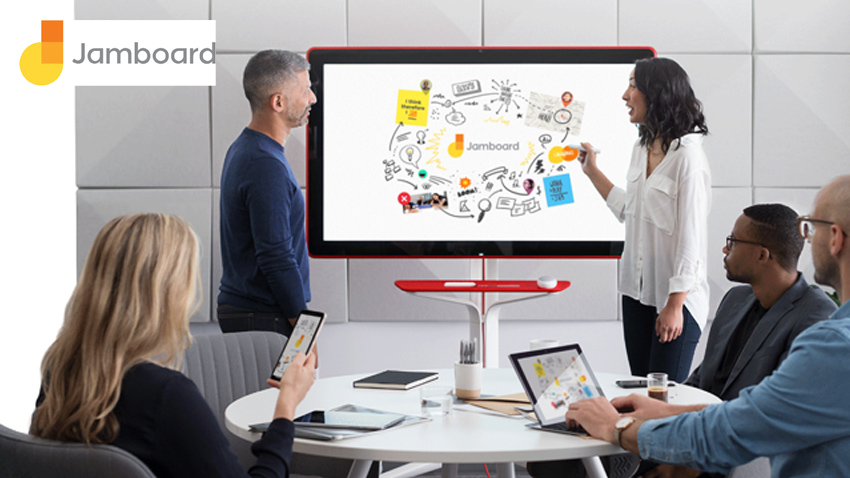 Google Jamboard[/caption]
When it comes to considering digital whiteboards and similar products for the versatile workforce, organisations are budgeting about $10,000 on their meeting rooms, according to experts. This means that because of the high cost involved, it’s not always possible to deploy rich solutions in every meeting room.
In fact, there’s probably a significant number of companies that simply aren’t going to shell out the cash. Businesses are struggling to justify such a huge investment, but there’s a good chance that vendors will begin to tackle the high price of whiteboards with tumbling prices. As equipment becomes more affordable and more vendors enter the market, there are opportunities to take advantage of.
Finding the Budget for Collaboration
Some examples of the interactive boards you’ll see today include the Google Jamboard, Microsoft Surface Hub, and Cisco Spark board. Both Google and Cisco offer 55-inch whiteboard options, priced at almost $5,000 each. Additionally, you can get a 70-inch version of the Spark Board for almost $10,000, and customers will also need to pay a $200 subscription fee each month to use the Cisco cloud.
To mitigate some of the cost, organisations might consider more cost-effective options being offered by upcoming competitors. After all, there’s more out there than just what’s being offered by the big-name players.


