
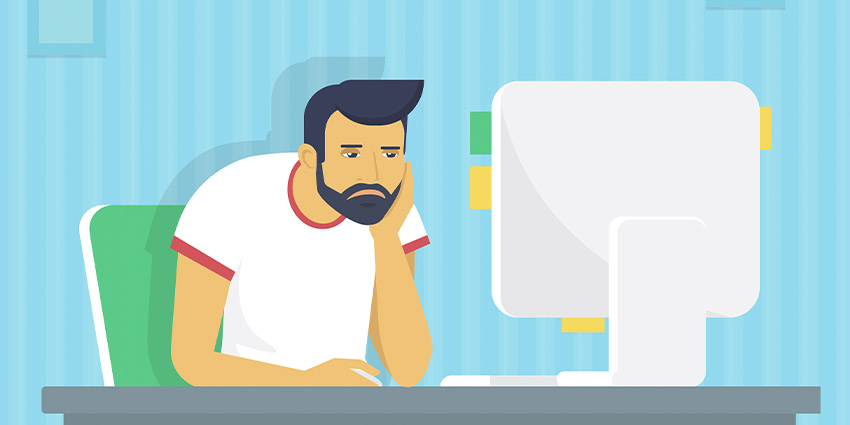
The pandemic of 2020 brought many changes with it, ranging from new styles of working to new consumer habits. While some trends have dwindled, others are gaining increasing attention a must-have for the years to come. One perfect example of this, is the rise of remote work. Studies show that 63% of remote workers would continue working from home if given the choice. Most companies now agree that the future of work will include a mixture of remote, and in-office employees, creating a new “hybrid” landscape. The hybrid workplace promises to bring the best of both worlds together, aligning in-office productivity, with remote flexibility. However, there are challenges to overcome before we perfect this new venture. For instance, how do we ensure remote workers don’t become second-class citizens?
Why Home Workers Have Been Second-Class Citizens
Slack’s co-founder and CTO, Cal Henderson, shared his thoughts on the remote working landscape in 2021, noting that while remote work has a lot of value, companies still have work to do if they want in-office and remote employees to be truly aligned. Cal noted that the experiences of 2020 showed his team just how much they had been treating remote workers like second-class citizens before the pandemic. Ultimately, it’s easy for managers and supervisors who see employees in the office each day to forget about their less visible staff. In the past, companies with remote employees may not have noticed how often they were “leaving them out” when they had group meetings in-person or discussed issues without a digital forum. As we head forward to the future of hybrid work, it will be crucial to ensure that this trend doesn’t continue. Going forward, companies need to rework their strategy for engagement and productivity, to ensure they’re supporting all of their staff correctly, not just the people they can see. When up to half of your employees are working remotely at any given time, failing to have the right structure in place could mean that your business begins to crumble.
How To Remove the Workplace Divide
For years, creating a sense of belonging in the workplace has been crucial to achieving higher levels of productivity, efficiency, and commitment from your team. This will continue to be the case in the age of hybrid work. Employers will need to be more aware of their remote staff, and how they can be kept in the loop with the rest of the team. To reduce the risk of any team feeling like second-hand citizens, companies can: Communicate constantly Having a UCaaS environment where everyone can connect through instant messaging, video meetings, and conferencing is becoming crucial in the new age of hybrid work. These software solutions pave the way for constant communication between staff wherever they are. Business leaders should be encouraging their staff to speak to their colleagues through these applications, even when they’re sharing the same office. This helps to set a precedent where all information shared exists in the same environment. Similarly, when business leaders are delivering updates and announcements, it’s best to host a virtual meeting where everyone can participate. Broadcasts and text-based announcements can work just as well. The key is making sure that a single part of your team doesn’t get information before the rest. Manage work digitally It’s easier for employees in the remote world to feel like a more significant part of the community when they’re working in the same space as their peers. Setting up a digital environment where all kinds of employees can track tasks and examine their productivity levels reduces the risk of projects getting done twice, or information being lost. Using digital tools for the storage and management of tasks also has other benefits. It ensures that when team members need access to information, they know where to go. At the same time, you can use these tools as a way to provide feedback to employees, by giving kudos and positive recognition to those who deserve it, in a shared space. Managing work digitally also helps you to ensure that everyone is working towards the correct deadlines, even if time zones and working schedules differ.


