
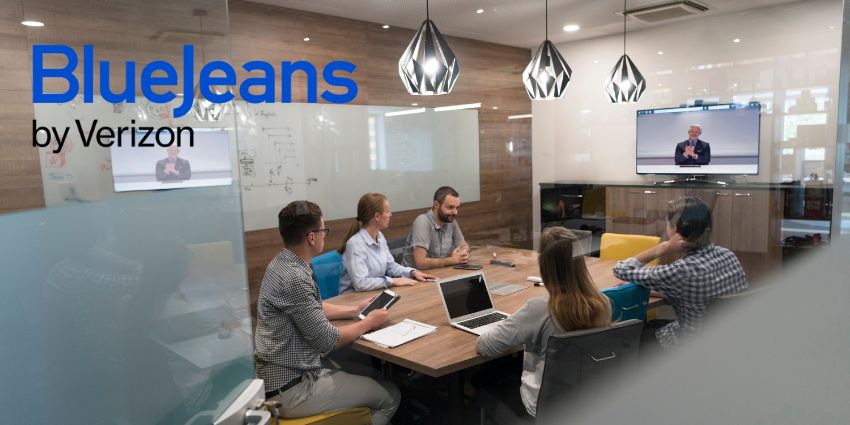
The workplace as we know it has evolved drastically in the last couple of years. The nine-to-five office environment many professionals grew up with has evolved into a flexible, agile landscape capable of supporting various employee personas.
This has left business leaders looking for new ways to optimize their spaces, focusing on generating better interactions, improving collaboration, and maintaining company culture. In particular, there is a focus on physical spaces as hybrid and remote work strategies accelerate the demand for efficient, fast-paced, and intuitive meetings. Currently, companies host anywhere up to 55 million meetings per year in the US alone. Unfortunately, much of the time spent in these collaborative sessions is squandered, with executives viewing up to 67% of meetings as a waste of time. Fortunately, there are ways companies can enhance their meeting rooms and office spaces without investing heavily in new technology.
Step 1: Streamline the Scheduling System
According to studies, the primary challenge with creating effective meetings for 27% of companies revolves around finding and booking meeting spaces. Around a third of all employees still rely on receptionists and assistants to help book meetings for them.
Since today’s meetings are happening more frequently, it’s essential to ensure business leaders and employees can rapidly access the tools and resources they need for collaborative conversations. Conferencing software with built-in scheduling and room booking tools can be extremely useful when it comes to saving staff time on the initial meeting set-up.
These tools can help users quickly reserve meeting spaces, track down the most effective space for their needs, and reduce the risk of double bookings and other scheduling errors. The same system can also automatically keep attendees up-to-date on any location, agenda, or meeting time information relevant to the conversation.
Step 2: Make Meetings Set-Up Easier
In the past, the majority of business meetings were highly structured and scheduled affairs designed to bring staff members together around a key concept or topic. Now employees are working in remote and hybrid environments, however, many meetings are “ad hoc”.
When teams need to collaborate with external employees, contractors, and professionals, they don’t want to have to wait days for a meeting room to become available. That’s why many companies are now investing in huddle room kits and plug-and-play conferencing tools. These solutions allow employees to turn any office space into a meeting room in seconds.
The right tools can automatically set up meeting configurations, invite contacts to a conversation, and even record real-time meeting notes and minutes. Simpler meeting solutions allow conversations to happen more freely around the office, so teams can spend more time collaborating. Click here to enter text.
Step 3: Leverage Powerful Video Conferencing Tools
Video actively improves the meeting experience for employees in various industries by providing access to better context and more intimate conversations. Around 78% of employees say they consistently rely on video for team meetings, and adding video to a meeting enhances productivity by up to 50%.
Ensure your remote, hybrid, and in-office employees can connect quickly and conveniently through a powerful meeting room environment enhanced with video technology. Tools like BlueJeans by Verizon can automatically integrate high-fidelity audio and video performance into your communication stack, with many options for employees.


