

The workplace has changed.
"Going to work" doesn't just mean turning up at the same bland office every day and sitting at a desk. The concept of work has evolved, to a point where businesses are no longer just points on a map, they're constantly-connected enterprises operating from various locations across the globe. As such, employees are more dynamic, diverse and empowered than ever before.
As the lines between the physical office and employee productivity continue to blur, firms have begun to embrace and implement new technology that breaks the shackles of the standard single-location company. The right digital workplace strategy allows enterprises to bring down the communication barriers in their enterprise, and transform staff experience for greater growth, productivity, and innovation.
Today, 95% of organisations say that a digital workforce strategy is important, and 87% of CIOs feel that simply giving employees more digital power could drive a minimum of 5% additional revenue growth in a period of 3 years.
So, What Is the Digital Workplace?
Defining a digital workplace is tough. Depending on who you ask there are plenty of different translations of this term, ranging from the "interconnected web of technologies" employees use to do their jobs, to the natural evolution of a workplace environment. Essentially, it's a move towards a more advanced workplace, driven by several key trends:
- Changing generations: Baby boomers are retiring, and new, digitally-native millennials are taking their place. It makes sense that a younger workforce of people who were raised on digital technology would bring new innovations into their office spaces.
- Intelligent experiences: As the business conversation becomes more about the "experience" and less about the product, intelligent technology allows companies to tap into the data they need to make critical decisions.
- Agility: As the digital world continues to innovate, companies either need to move at the same pace or risk falling behind their competitors.
- The consumerization of IT: Modern employees want to use the same kind of technology in the office as they do at home.
- The rise of the social enterprise: Work has begun to emerge as more of an "activity" and less of a location.
As workplace demographics continue to shift, employers are embracing technology to facilitate a multi-generational workforce, adapt to the growing demand for mobile devices, and explore opportunities for increased productivity.
Why Do We All Need to Adopt a Digital Workforce?
Ultimately, today's companies no longer have a choice of whether to embrace digital workforces or not. Employees who work in digitally-advanced environments are more motivated and productive, and an upgraded workforce can deliver endless opportunities, including:
- Agility: Technology can help companies to respond faster to potential issues. Things like predictive analysis can determine where problems might arise before they occur. Unified communications help to streamline conversations and solve products faster. A digital workforce helps organisations keep pace
- Productivity: With a digital workforce, employees can access the channels they need instantly to uncover useful information and give context to challenges. According to Deloitte, organisations with a strong social network, for instance, are 7% more productive. On top of that, the remote working capabilities of the digital workforce give companies access to the efficiency boosts people get from working at home
- Engagement: As engagement in the workforce continues to falter, the modern technology world can empower staff to perform to the best of their abilities - regardless of where they might be working from
The statistics around digital working speak for themselves. According to Deloitte, not only would 64% of employees be happy to get paid less if they could work away from the office, but organisations implementing strong digital tools see as much as a 20% increase in employee satisfaction.
What Do You Need for a Digital Workforce?
So, how do you create your own digital workforce?
The answer isn't simply investing in as much new technology as possible. Instead, it's about taking your own distinct digital transformation (DX) journey, based on what you know about your employees, and what they need for productivity. Most digital workforce experiences will include a consideration of:
 Communication has expanded. There's more to the connections we make each day than the conversations we have on the phone. Video communication has emerged as just one of the solutions to make external and internal comms more immersive for the modern company. Video can make presentations,
 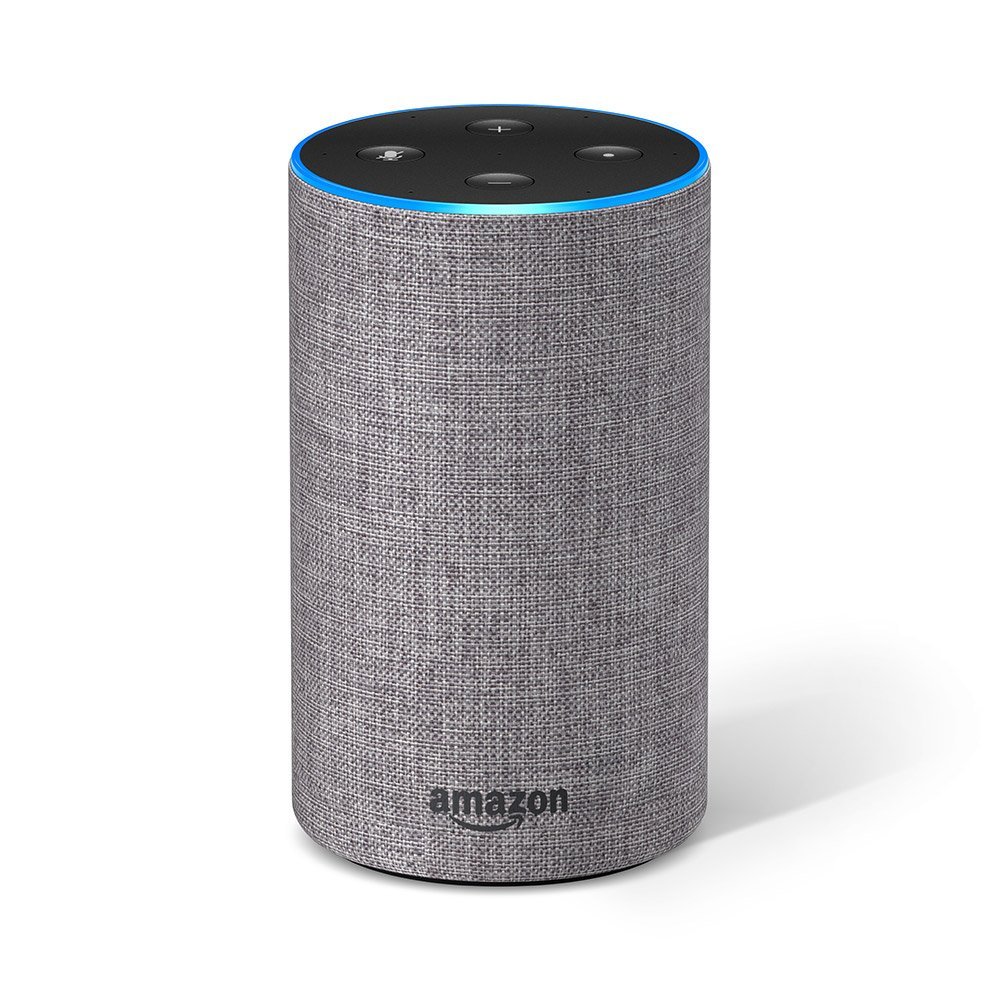 Virtual Assistant: Amazon Echo - 2nd generation[/caption]

