
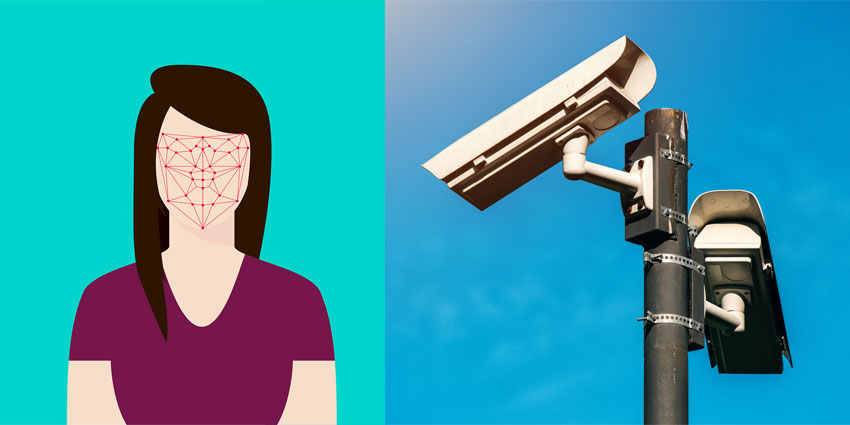
Police in the UK are facing backlash over the use of facial recognition software to search for suspected criminals. Law enforcement officials have been asked to stop using the technology after a study from the University of Essex found that matches were only right in one of five cases. The inaccuracies of the system, in the University's opinion, could break human rights laws.
This is not the first time that the police's decision to use automated facial recognition software has made the headlines. A few months ago, a man had taken the South Wales police to court about images that were taken without his consent. Now, police forces across the country are struggling to deal with increasing cost pressures, with a 30% reduction of government funding emerging over the last 8 years. Facial recognition has been a way to increase efficiency and cut costs, but it may not be the ultimate solution.
Metropolitan Police Commissioner, Cressida Dick, noted that facial recognition has been really useful, and that new technology needs to be better accepted by the public, or the UK risks falling behind.
Embracing Biometric Technology for Law Enforcement
One board member from TechUK, and the CRO of Veridium, Jason Tooley, believes that the police may benefit from taking a more holistic approach to biometrics technology. Perhaps the force could benefit from exploring more accurate biometric systems, rather than scrapping the technology entirely.
“Public perception of the maturity of biometrics such as automated facial recognition and their effective usage has strong links back to existing physical processes and public adoption. Fingerprint technology has high levels of consumer adoption due to use on mobile devices"
He noted, however, that there's a growing need to focus on how biometrics as a whole can support the increasing demand for identity verification.
[caption id="attachment_22075" align="alignright" width="200"] Jason Tooley[/caption]


