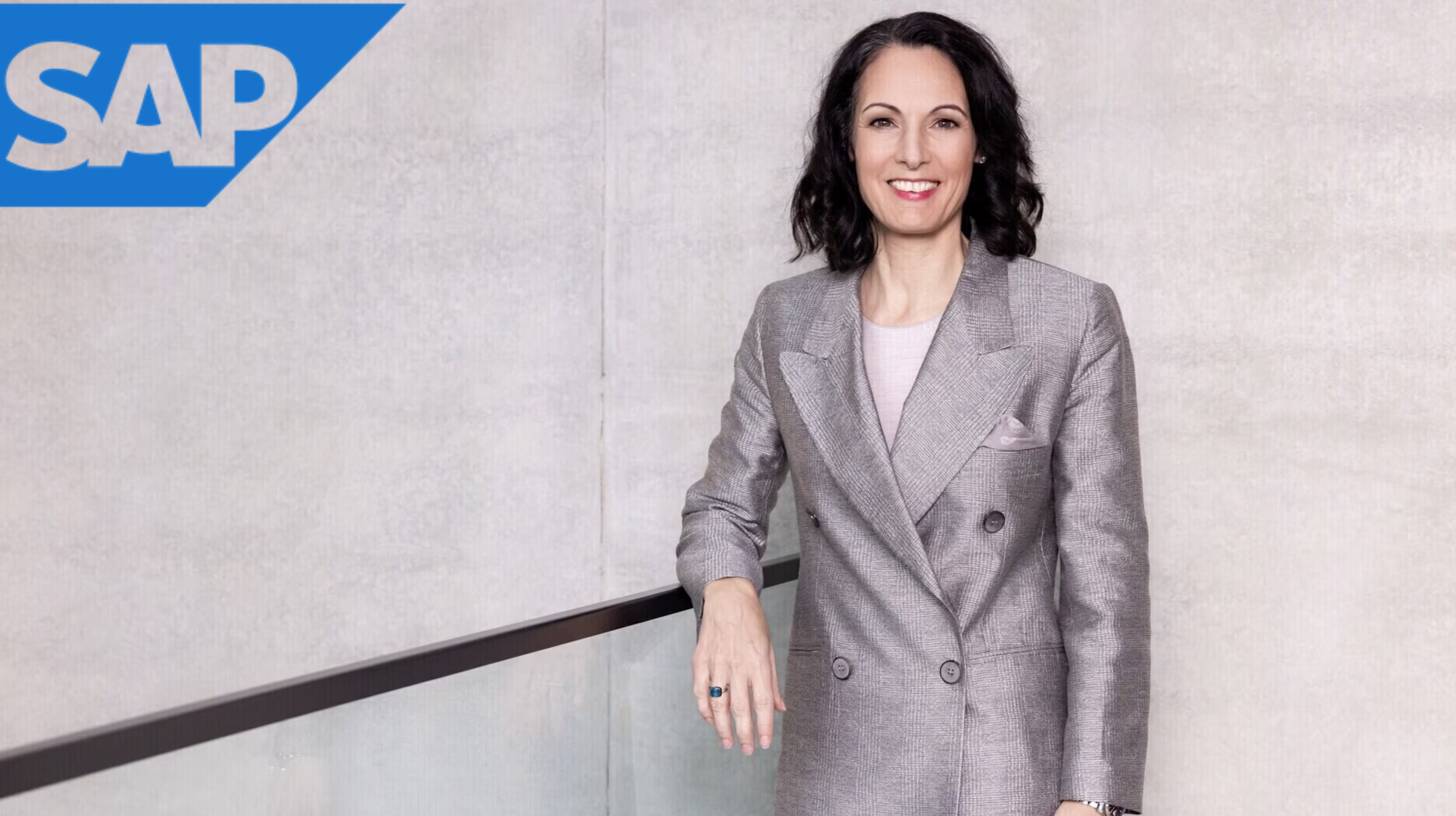
Not every significant move in enterprise technology arrives with a product launch or a conference keynote. Sometimes it comes in the form of a contract extension - and what it quietly signals about where power sits in AI transformation. On April 10th, SAP announced it has extended the contract of Chief People Officer Gina Vargiu-Breuer until January 31, 2030. The headline is straightforward. What sits beneath it is worth unpacking.
Why Is This an Important Move for SAP?
Vargiu-Breuer joined SAP's Executive Board in 2024, bringing with her a career built across senior HR roles at Siemens Energy and Siemens AG. Supervisory Board Chairman Pekka Ala-Pietilä was direct about the confidence the board is placing in her:
"We value her drive and commitment and are convinced that she will further advance SAP on its path into the age of AI."
Vargiu-Breuer's own response set the tone for what comes next.
"It's about changing how we operate as a company: how we work, make decisions and deliver value to our customers... My People & Culture team and I will continue what we started two years ago and achieve significant value creation with this transformation."
This aligns with a broader shift across enterprise software, where talent, governance, and operating models are becoming as critical as the technology itself
Related Articles:
Microsoft Warns on AI Jobs Impact as SAP Backs Early-Talent Shift
What is Employee Engagement? The Ultimate Guide to Managing EE in 2026
Is Agentic AI Ready for the Enterprise? Why Human-in-the-Loop AI Is the Missing Piece
Talent Strategy as the Core of Enterprise Transformation
What this announcement reflects, more than anything, is a deliberate positioning of talent strategy as central to enterprise transformation. As AI continues to reshape how organisations hire, onboard, develop and retain people, the decision to anchor that work in a senior leader with board authority and a long-term horizon is a structural statement about where SAP believes transformation actually happens.
Last week's research from SAP painted a nuanced picture of what AI is doing to entry-level workforces - accelerating productivity in some areas, creating new pressures and skill gaps in others. The message running through both is that technology decisions and people decisions are no longer separable.