powering productive workplaces
Front page
NewsWorkspace Tech24 Jun 2026 · 3 min read

Sennheiser Launches TeamConnect Ceiling M Plus and Expands DeviceHub

Sennheiser has launched the TeamConnect Ceiling M Plus and expanded its DeviceHub platform at InfoComm 2026.

Sennheiser TeamConnect Ceiling M Plus DeviceHub

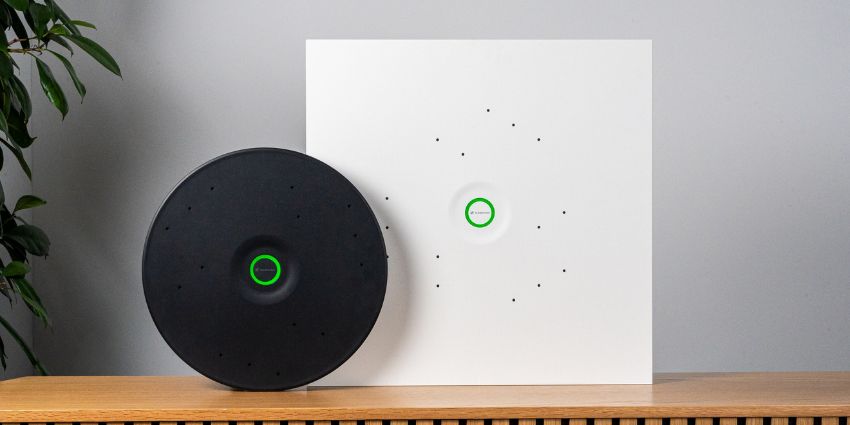
Sennheiser has introduced the TeamConnect Ceiling M Plus (TCC M Plus), a new ceiling microphone aimed at enterprise meeting rooms, alongside expanded capabilities for its DeviceHub cloud management platform.

The announcements were made at InfoComm 2026 last week, and reflect a continuing push by the company to address the operational challenges facing AV and IT teams managing conferencing hardware at scale.

TeamConnect Ceiling M Plus

The TCC M Plus is the latest addition to Sennheiser's established TeamConnect Ceiling line, which has become a familiar fixture in enterprise meeting room deployments.

The new model is designed to combine audio performance with a reduced deployment burden – a pairing that matters increasingly to IT teams who are being asked to roll out and maintain meeting room infrastructure across large, distributed organisations without necessarily having deep AV expertise in-house.

Ceiling microphones have become a preferred solution for many enterprise environments because they remove the need for table-based hardware, reduce cable clutter, and provide consistent audio pickup regardless of where participants are seated. The TCC M Plus continues in that direction, with Sennheiser focusing on streamlined configuration as a key differentiator.

Central to that is PartnerLink, an integration framework co-developed with Q-SYS through close engineering collaboration between the two companies. PartnerLink allows the TCC M Plus to be configured directly within Q-SYS Designer Software, which is widely used by AV integrators and IT teams for designing and managing audio and video systems.

Speaking ahead the announcement, Gary Evans, Director of Alliances at QSC, said: "Our collaboration with Sennheiser is focused on making it easier for customers and integrators to bring high-quality audio into Q-SYS.

"With the Q-SYS Extension for Sennheiser PartnerLink, we're streamlining deployment and making it simpler to incorporate Sennheiser audio and key elements of device control and automation while preserving the well-known flexibility of the Q-SYS Full Stack AV Platform."

The practical effect is that installers and administrators no longer need to move between separate interfaces to get the microphone set up and working within a broader AV system – configuration happens in one place.

Sennheiser has positioned PartnerLink as a scalable framework rather than a one-off integration, with the intention of extending support to additional platforms over time.

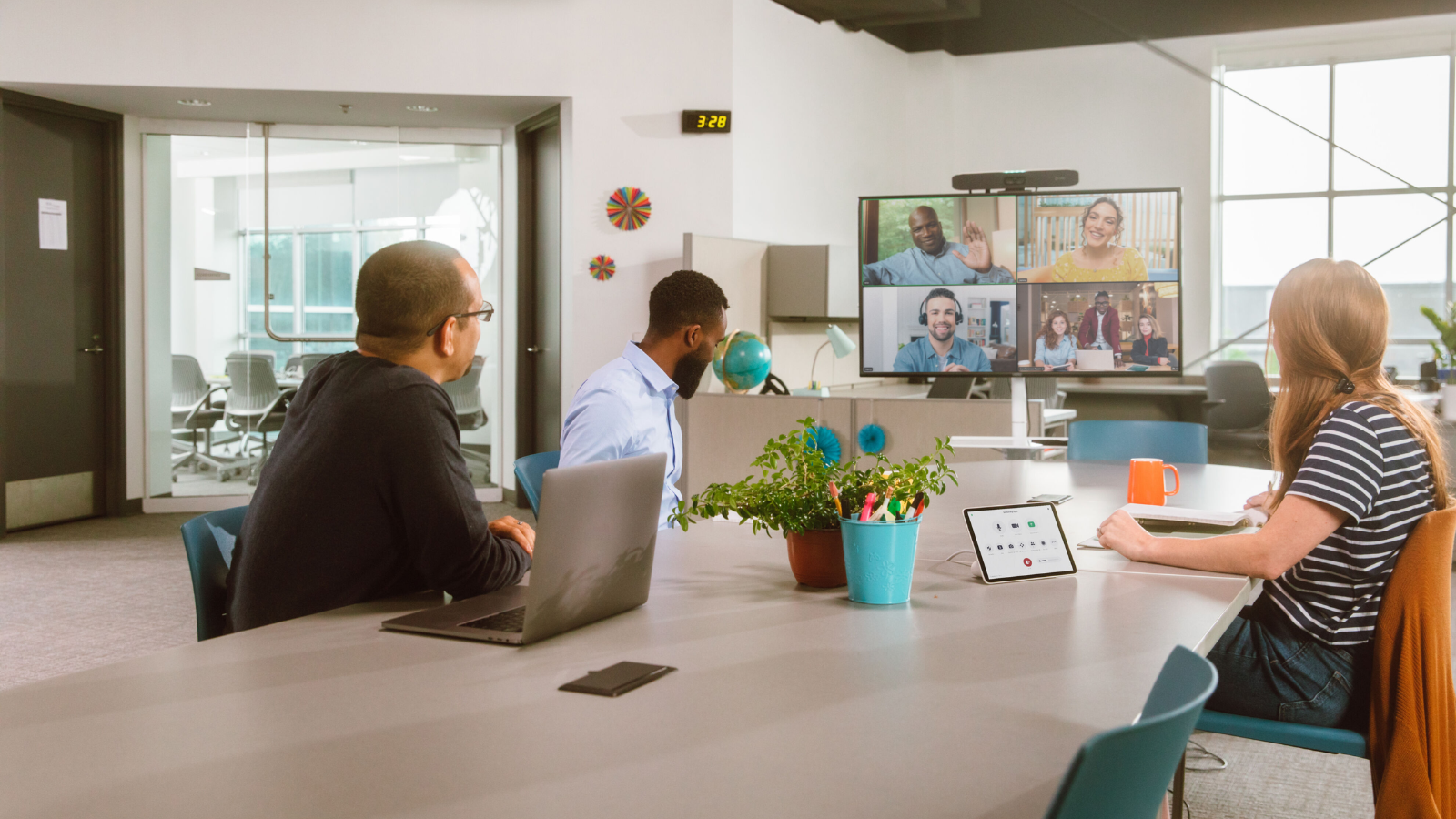
That matters for organisations running mixed AV environments, where the ability to manage hardware from a single interface – regardless of manufacturer – has become a purchasing consideration in its own right.

DeviceHub

The second major announcement concerns DeviceHub, Sennheiser's cloud-based device management platform, which launched earlier this year. DeviceHub gives AV and IT teams a secure, browser-based environment to monitor, configure, and manage Sennheiser devices remotely, across enterprise, education, and corporate deployments. The platform is designed for multi-site organisations where on-site visits to troubleshoot or reconfigure hardware are time-consuming and costly.

The InfoComm update adds support for the TCC M Plus and incorporates feedback gathered from early adopters since launch. Sennheiser describes DeviceHub as a living ecosystem – one that evolves based on real-world deployment experience rather than sitting static after its initial release. For IT teams, that kind of ongoing development matters because the demands of managing distributed meeting room infrastructure rarely stay the same. Organisations grow, meeting room setups change, and the ability to push configuration updates or diagnose problems remotely – without dispatching a technician – has tangible operational value.

The Broader Context

The announcements land at a moment when enterprise AV and UC teams are under sustained pressure. Hybrid working has made the meeting room a critical piece of infrastructure rather than a peripheral concern, and the number of rooms organisations are expected to equip and maintain has grown significantly over the past few years.

At the same time, IT budgets are not expanding at the same rate, which means teams are being asked to do more with the same or fewer resources.

Products like the TCC M Plus and DeviceHub are a direct response to that dynamic.

Simpler deployment, tighter platform integration, and remote management capabilities all reduce the time and cost involved in keeping meeting room audio working reliably across an estate. For large organisations managing dozens or hundreds of rooms across multiple locations, those efficiencies add up.

rate this story
helps rank stories across uc today
The discussion0 takes · attributed & checked

Does this reflect your experience?

opening the room…
Read nextordered by techtelligence · every pick explained
same beat · Workspace Tech

The 365-Day Stadium: How Crestron Powers Matchday at Espai Barça

12 Aug 2026
matches this topicOpenAI/Hugging Face Aftermath: What It Means for AI Agent Security5 Aug 2026matches this topicStudy Finds Only 7% of Senior Leaders Are Seeing ROI From AI – What's Going Wrong?16 Jul 2026