Recent research indicates that workers across the UK might not be ready to go back to the office full-time yet. That means companies need to consider alternative ways of working, and new strategies to bring teams closer together.
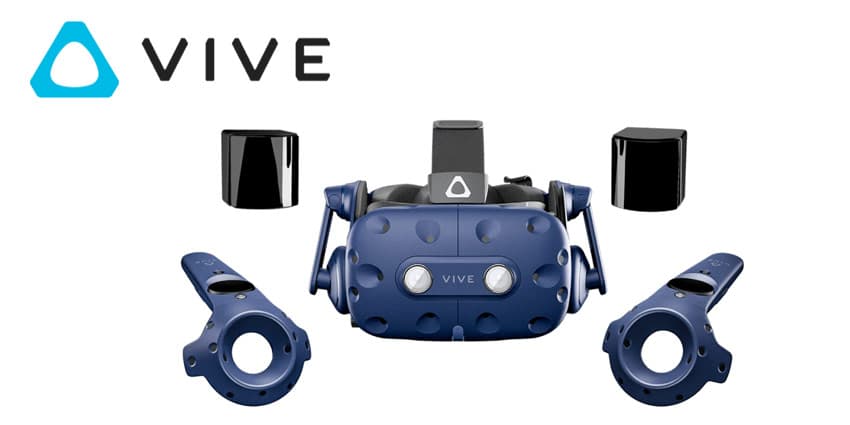
HTC Vive, one of the global leaders in VR solutions, recently conducted research that showed that around 74% of companies are worried about the risks of returning to work. Communal areas like kitchens (50%), meeting rooms (41%), and main offices (65%) are the main points of concern.
Not only are people reluctant to return to the traditional office, but they might not be content with the idea of sticking to a constant stream of video calls either. Around a third of respondents (36%) expressed exhaustion after non-stop video conferencing, and nearly half said they wanted more face-to-face meetings back in their workdays.
Adapting to New Collaboration Environment
Since the beginning of the pandemic, companies have been struggling to adapt to a changing workplace. Some organisations have shut the “traditional” office doors forever, while others have adapted to a hybrid state of work. Technology has arrived as the key to the virtual office space, where we can all work cohesively together, even when we’re apart.
Virtual reality could be a decisive step in the right direction for the digital workplace. When HTC Vive asked respondents about VR in the workplace, 26% said they had used it before, while 52% were keen to integrate more of the tech into the workplace. Perhaps the biggest barrier to this transformation right now is a limited understanding of how to embed VR into the workplace.
HTC Vive also found that workers were unsure how well the technology would work, and many were concerned that it might be too expensive. The study highlights the changing priorities in the workplace and the frustration that people feel when it comes to finding a good way of interacting with colleagues. Respondents do seem to share an interest in the potential of VR, however. Extended reality could be a way for teams to interact with their colleagues if they can’t be together in real life.