
How many times have you heard the words "new normal" in the past six months?
I bet you can hardly count by now. Most businesses have switched almost entirely to working remotely, and going back to a physical office seems like a far-off reality.
But there is one rather significant angle of this new normal that is often overlooked: the one of billing communications. More precisely: how the multi-platform work environment forces a new approach to billing, and how the bill itself is becoming – believe it or not – a revenue generating tool.
Two Words: Multi-Platform
So what does this new normal have to do with billing communications?
Two words: multi-platform.
"The new norm is definitely going to be a multi-platform environment, because everybody is using different things," says Ian Lindsay, SVP Sales at Soft-ex. "I can have video from Zoom, video from Teams, and video from Cisco. It's essential that I know which part of that has been used the most, and who's using it the most."
"Our partner, British Telecom, did a survey of all their enterprise accounts, and saw a result of about 3.5 UC applications and 2.5 video applications on every laptop. And all of that is getting billed"
Lindsay, like most people, believes COVID has simply accelerated existing processes.
"Certainly, all COVID has done is brought those changes forward quicker," says Lindsay. "Companies had to implement solutions in order to enable remote working, but they've had to escalate that procedure. They've had to buy new licenses, and they're not 100% sure how those licenses are being used. So when you get a bill, the last couple of months, it's been very confusing. Businesses need digital billing tools that will help them deal with this confusion."
Billing as a Revenue Generating Tool
How can UC providers and carriers make things less confusing for their customers?
That's where billing communications comes in.
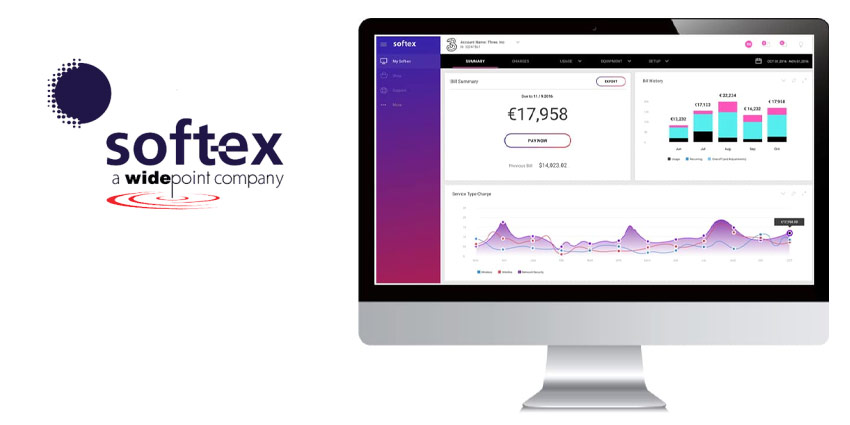
"You need the granularity behind the bill, and partners who are delivering that granularity are becoming almost like a consultant to the customer. They're being brave enough to actually highlight those changes to their customers, and then sit down with them and make the recommendations that need to be made. These things all lead to customer retention at the end of the day."
It's that granularity that makes the bill a retention tool. It enhances customer engagement and the transparency increases loyalty.
"When we're talking about the new UC channels that we see developing, those aren't only the large carriers," says Lindsay. "It's the smaller, mid-sized system integrators that are providing bundles of services to their customers: hosted voice, SIP channels, broadband. They're delivering an entire service to them. So the question is: how do they present a bill to the customer in such a way that the bill becomes a retention tool, and even a revenue-generating tool."


