
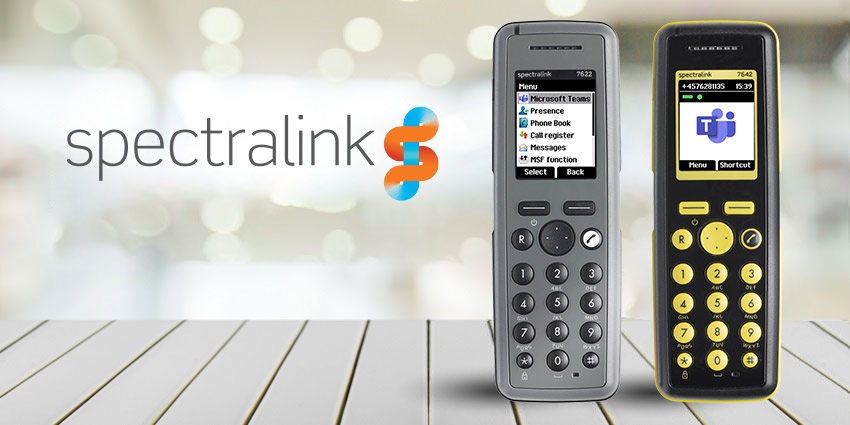
For years, DECT (Digital Enhanced Cordless Telecommunications) devices have been one of the most crucial hardware investments businesses make attempting to connect and unify their teams. DECT solutions, when used correctly, can help organizations to align their team members while accessing exceptional levels of stability, security, and scale.
DECT solutions aren’t just used for traditional voice communications; they’re also becoming a valuable endpoint for leading collaboration software solutions. For instance, Microsoft announced in March 2022 that it would partner with market-leading DECT providers to create custom-made DECT phones especially suited to Microsoft Teams users.
However, it can be difficult for business buyers to know where to begin when selecting the best DECT systems for Microsoft Teams. Here are some of the most important tips to help companies begin their search:
1. Know Your Use Cases
DECT devices are highly flexible and versatile solutions built to address a range of specific enterprise and industry requirements. Microsoft Teams’ selection of partner vendors in the DECT space offer a range of tools custom-made to address the unique requirements of different types of employees based on their workflows and verticals.
Any business investing in DECT solutions should first determine what their use cases might be. For instance, a manufacturing firm purchasing DECT devices will need to ensure its hardware is rugged and functions across wide-ranging facilities. They’ll also need to ensure the DECT solutions can work with the scheduling and employee management tools they use. Companies purchasing DECT devices for a warehouse or construction space will need to concentrate on finding products with an extra focus on durability and resilience.
Even in the retail sector, it’s important to look for specific features linked to the needs of individual users, like the ability to rapidly transfer a call from a front-of-house desk phone to a mobile device anywhere in the store.
“When we first embarked on this new native integration between our DECT handsets and Microsoft Teams,” said Julien Bertheuil, Managing Director EMEA at Spectralink Corporation, “warehouse workers such as pickers, retail assistants and people working on the field in general were not being met. We thus made it our mission to develop an integration that would finally connect them to their desk-based colleagues seamlessly.”
2. Examine the Integration with Teams
After establishing use cases, companies should begin to focus on examining the level of integration between the available DECT solutions on their shortlist and Microsoft Teams. The easiest way to ensure the technology will work seamlessly with the Teams ecosystem is to choose a device from a certified Microsoft Teams partner.
The partners chosen to create DECT products for Microsoft Teams have carefully created their tools to ensure employees can access not just the best communication features but also the various key capabilities of Teams, like push-to-talk and directory insights. The correct DECT phones should provide native integration with Microsoft Teams, meaning the DECT servers communicate directly with the Teams Phone platform via SIP and VoIP protocols.
“Interoperability is a key focus for us at Spectralink, because we understand that users cannot reinvent the wheel every time they need an improvement,” Bertheuil said.
“Developing solutions that interoperate with existing productivity applications and integrate in the existing technological and UC environment is key to providing the market with cost-effective and durable innovation.
A strong level of native integration ensures that all employees in the workforce, from those in the office to those operating on the field, are connected through the same streamlined solution. This helps to contribute to better productivity, alignment, and collaboration.


