
Myriad departments, millions of ‘customers’, reams of regulation: the public sector is a complex environment in which effective communication is about as challenging as it gets.
Once a place where traditional voice callers could be on hold for up to an hour, huge advancements in omnichannel communications capability is helping to improve global citizen access to the services upon which they rely.
Just as in vertical sectors such as retail, those citizens crave a fast and frictionless user experience.
They want – and often need – swift responses to critical issues that can have serious consequences if they remain unresolved.
Simple and secure connection to vital public services such as housing, welfare, healthcare, law enforcement, the criminal justice system, social care and much, much more is essential if states and nations are to serve their people effectively.
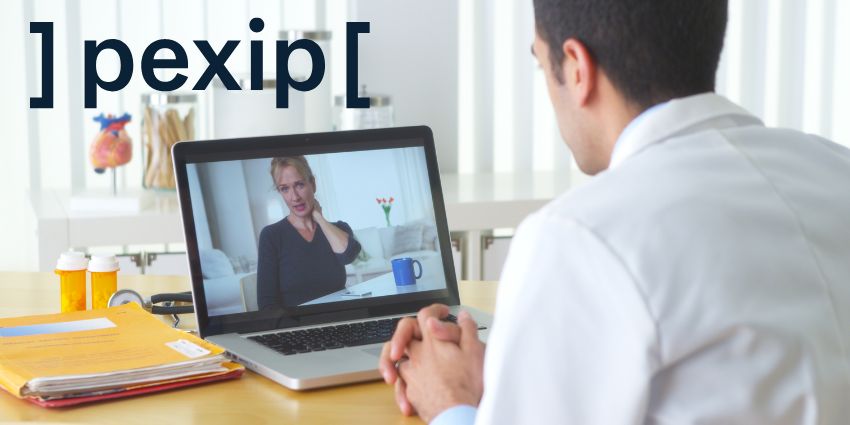
In many cases, the increasing use of video is playing a significant role.
And, in today’s 24/7 ‘always-on’ world, that means the opportunities for technology providers and their reseller partners are huge.
“The pandemic was an incredible accelerator and people's expectations around what video could and should be used for changed dramatically,” says Nicholas Ross, Head of Public Sector UK&I at global communications provider Pexip, which is at the forefront of the video engagement revolution.
“A few years ago, it was younger digital natives who were the key audience for many of the digital engagement provided by government, but that's not the case now.
“Everyone is now more used to technology, video included. People still want to see and speak to a real person but they no longer need that interaction to be a physical one. In fact, they often prefer the convenience of not having to visit an office or sit in a waiting room for long periods of time.
“From scheduling an appointment, to holding the conversation, to then benefitting from the automatic generation of a written transcript of that conversation – it can all be a seamless and very effective experience.”
Indeed, some of Pexip’s customer case studies make for compelling reading.
In Germany, those who interact via video with the giant national work and pensions agency can do so with just three clicks.
And in the US, the Pexip platform handles 600,000 virtual hospital appointments every week.
“Video really is becoming the go-to form of communication for the public sector and is helping to transform the way we all interact with government departments,” says Ross.
“It's never going to, nor is it designed to replace face to face appointments, but it's become such a useful tool for overstretched delivery organisations.
“We continually improve the capabilities of the technology to enable it to do things it couldn't do in the past. For example, our video engine can be integrated via API with existing workflows, providing a truly seamless user experience.
“Another example is using Artificial Intelligence to manage participants’ positions in ways which the brain finds most comfortable.”


