
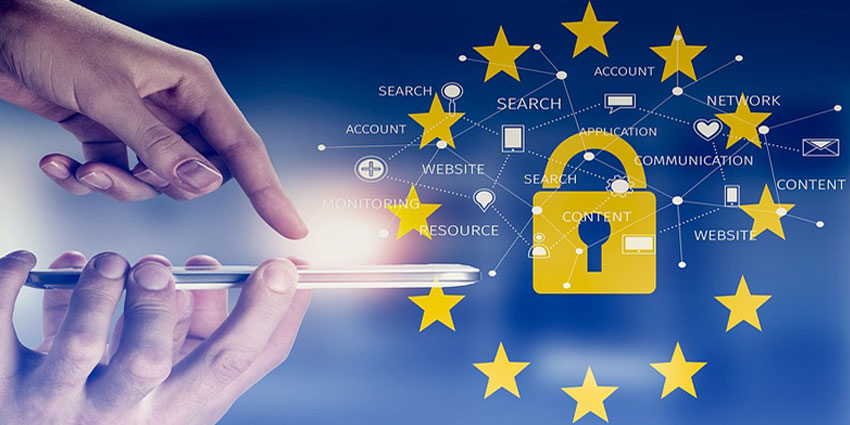
Bring Your Own Device (BYOD) has been making its case in businesses for years and years. The benefit of a familiar device and not having to purchase a work mobile has been drummed into IT strategies for some time now and adoption is on the rise. For some employees, such as millennials, it is a completely alien concept to be offered a secondary device when you have a perfectly good one (or two or three or four) already at your disposal.
Security
The BYOD rise indicates a great sensibility within IT teams. Thinking back all to all those extra laptops and mobiles that just sat in the bottom drawer of the office, it was a no brainer for procurement.
The security element has always been a worry. What if the user gets a virus on their personal laptop? What if they delete the hosting application? As cloud technology has moved on and become more secure, these worries are becoming less and less worrying.
Most people access their private work documents over public Internet in coffee shops and train via their work laptops. Personal devices don’t make this a less secure process. The workforce has come to learn that the internet isn’t quite as scary as it was once thought if you have the right infrastructure in place. Documents and data are secure if saved on SharePoint or G Suite, so IT can rest easy knowing their aren’t going to suffer a data breach when the new sales person uses their mobile to edit their PowerPoint en route to a meeting.
Privacy
The rise also indicates a great sense of trust in personnel. The use of personal devices opens up the prospect of documents being shared over non-trusted apps like WhatsApp and Facebook. The last thing you need as an IT Security Manager is one of your company documents getting into the wrong hands.
So, rather than the emphasis being on security, CIOs have put a lot of trust in the people they employ. The theme of trust in the workplace has been trending recently. CIPHR’s recent blog suggests that trusted and flexible workers are more productive, more confident and become brand advocates.
Remote Working
The age-old argument is that if you trust someone enough to employ them, you should trust them to get their job done. This covers a broad scope of items, but the key enabler is flexible working.
Most companies have implemented some form of flexible working by 2018. With the increase of home working and remote working, employees are no longer tied to a desk. The concept of having two laptops and mobiles whilst working from your living room is bizarre but was commonplace in businesses only a few years ago. Today, if you have a , why would you need another one?
Praful Shah, CSO at RingCentral, said in a UC Today podcast:
“The solutions need to be smartphone-centric. The users have already left. The users are communicating in different ways”
Praful was commenting on the shift from Unified Communications being viewed as a PBX replacement to a powerful collaboration enabler.
Shadow UC
[caption id="attachment_19705" align="alignleft" width="400"] Shadow UC users?[/caption]
We know Shadow IT as tech that is used inside organisations without explicit approval. But IT have become fully accustomed to this now and the use of smartphones and devices in the workplace is constant. Smart watches, for example, are a completely different animal to shadow IT of yesteryear.


