As 2025 draws to a close, one term has defined the year for many employees: RTO, or Return to Office. This shift is driven by major companies like Amazon, AT&T, and JP Morgan mandating full-time office attendance.
These announcements have faced employee backlash, driven not only by the return of long commutes and their associated costs to employees, but also by the work environment that awaits them. Many offices cannot provide the seamless work experience employees have grown accustomed to having at home. This presents a challenge for its success, considering many of their RTO mandates touted the move as a productivity measure.
A major contributor to this sentiment is the poor technology and meeting room experience within many offices. As James Spencer, Video Solutions Director at Jabra, explains:
"80% of people actually spend a lot of time searching for meeting rooms in the first place."
Added together, these delays can consume up to 15 minutes per meeting, causing significant frustration.
If companies want to get RTO right, they need to identify the barriers that make in-office collaboration difficult and strengthen the benefits of working together in person.
Related stories:
- The Visibility Effect: How Video Meeting Visibility Doubles Attention and Engagement
- Why Modern Video Meetings Need AI-Optimized Systems
- The 14% Signal: Why You Need to Prepare for the Voice AI Surge
Why Returning to the Office is Hindering Collaboration
Remote and hybrid working on a wide scale has driven many companies to downsize their office footprints. While this reduced expenses, the return to the office has created issues with increased demand for meeting rooms and limited space.
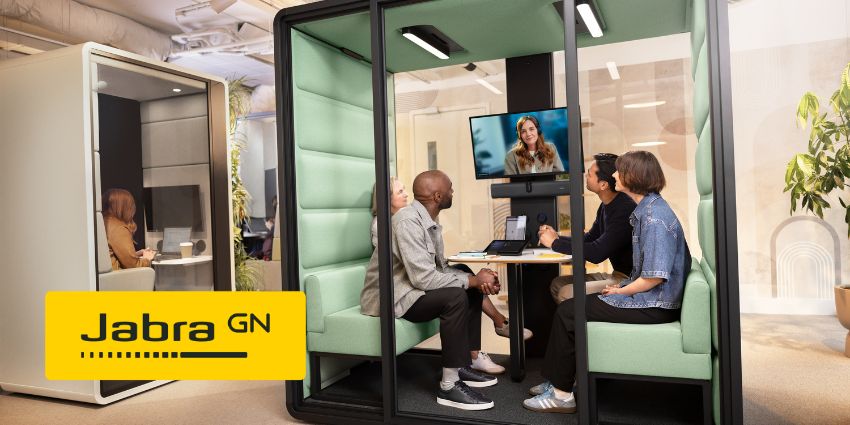
Spencer explains that companies are "putting small four- or six-person pods into office spaces to get over the issue of oversubscribed meeting rooms." However, this only creates further issues.
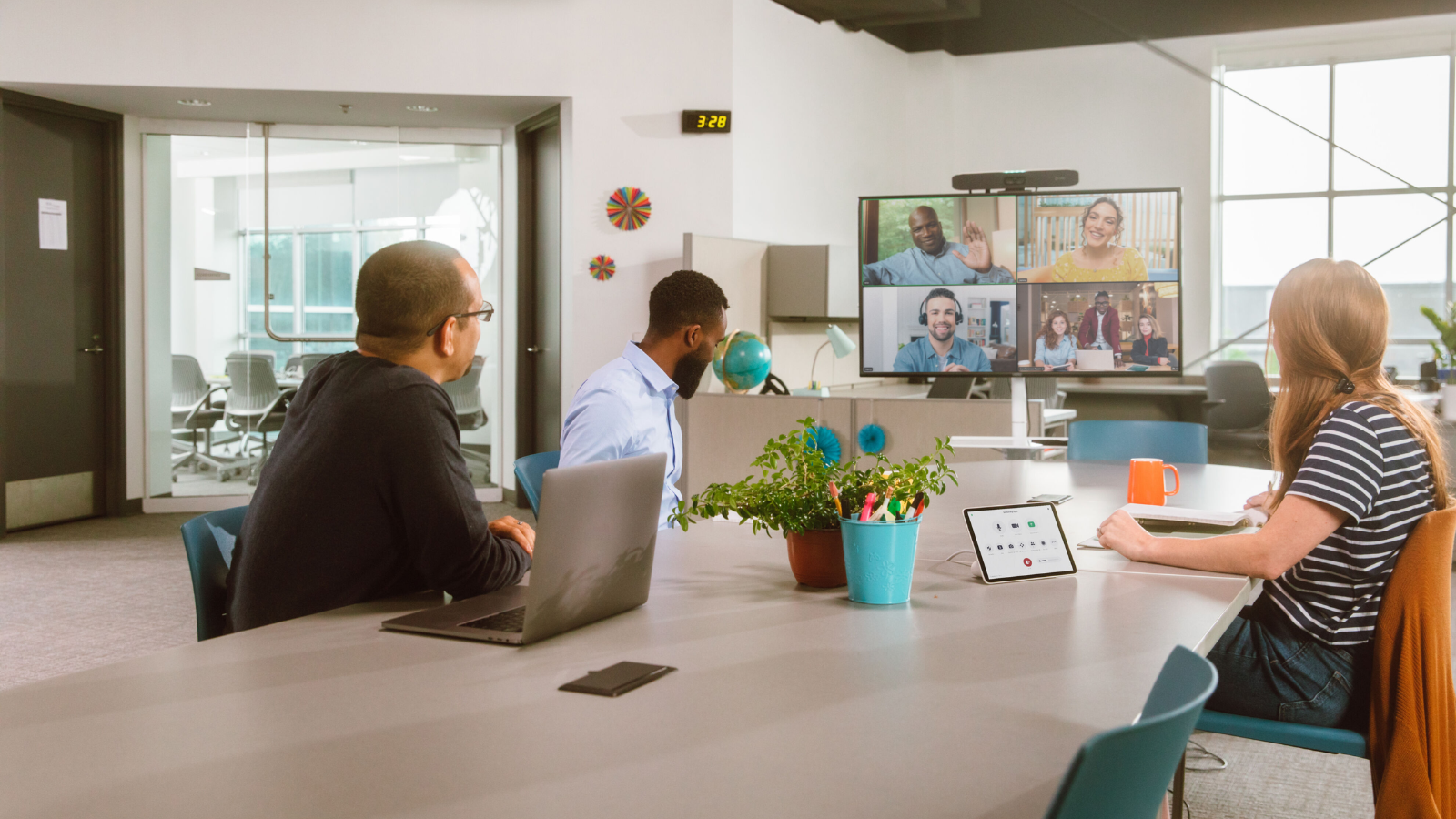
Even when a room or pod is available, employees often find the technology inside unsuitable for their meetings. It may lack support for preferred devices, fail to function seamlessly, or inadequately capture the space. In practice, this means valuable time is spent troubleshooting or relocating to a more suitable area.
Consequently, employees increasingly perceive the office as a barrier to productivity rather than an enabler, and it has become a source of stress and wasted time.