
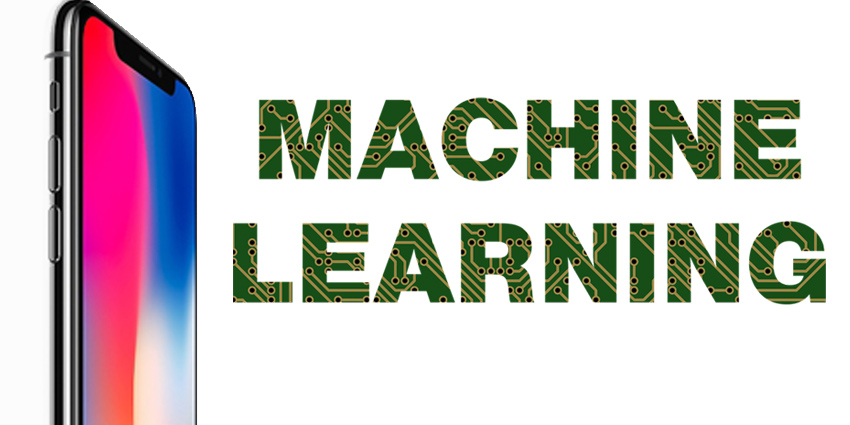
The future of smartphones is here.
Ten years after the launch of the original iPhone, Apple has delivered what they consider to be the innovation set to transform the next decade of communication technology. It's easy to see why the iPhone X has generated so much excitement. As the biggest change to the iPhone design since Steve Jobs brought the device to market, the "X" takes the term "smart" phone to a whole new level.
With the introduction of an intuitive chip called the "A11 bionic neural engine", the iPhone X gives users access to their very own form of artificial intelligence, capable of around 600 billion operations per second. To put that into perspective, it's around 70% faster than the previous A10.
Unbeatable Processing Power
In many ways, the iPhone X could be seen as a celebration of Apple's journey into smartphone devices, complete with yet another market transformation. The update in computer power, intended to allow for learning algorithms on the new phone, comes after the recent release of a developer tool-set called Core ML, which allows developers to easily integrate apps with machine learning.
At present, only about one percent of the 2.4-million app market uses machine learning, but Core ML could be the solution that helps us to access this technology on a wider level, delivering more meaningful apps to the average consumer.
To help us better understand what the new tech really means for the iPhone, Apple showed off its facial recognition services for the iPhone X, which allows you to unlock your phone with just your face. Additionally, there are other third-party applications supposedly on the horizon that could work with this facial ID feature too.


