Apple is reportedly planning to unveil its first smart glasses at its Worldwide Developers Conference (WWDC) in June 2027, with a commercial release expected later that year.
The reported timeline, first outlined by Bloomberg, would give software developers several months to prepare apps and services for Apple’s next major wearable platform before the product reaches consumers.
Apple has not confirmed the device, its launch plans or its specifications. However, the report suggests the glasses could represent a significant expansion of Apple’s work in wearable technology, artificial intelligence and augmented reality.
A Developer-Focused Debut
The smart glasses are reportedly codenamed N50. Apple had previously been expected to introduce them sooner, but the company is now said to be taking additional time to refine the product and address one of the category’s most difficult issues: privacy.
The reported WWDC launch date is notable. Apple typically uses its annual developer conference to introduce major software updates and new tools for its developer community. Presenting the glasses there would allow Apple to outline how third-party developers could build services for the device ahead of its consumer release.
That developer runway may be important if Apple wants the product to arrive with practical uses beyond taking calls, listening to music and interacting with Siri. Apps could potentially support navigation, translation, accessibility, fitness, workplace communications and contextual AI assistance, though Apple has not announced which features the glasses would offer.
Privacy Takes Centre Stage
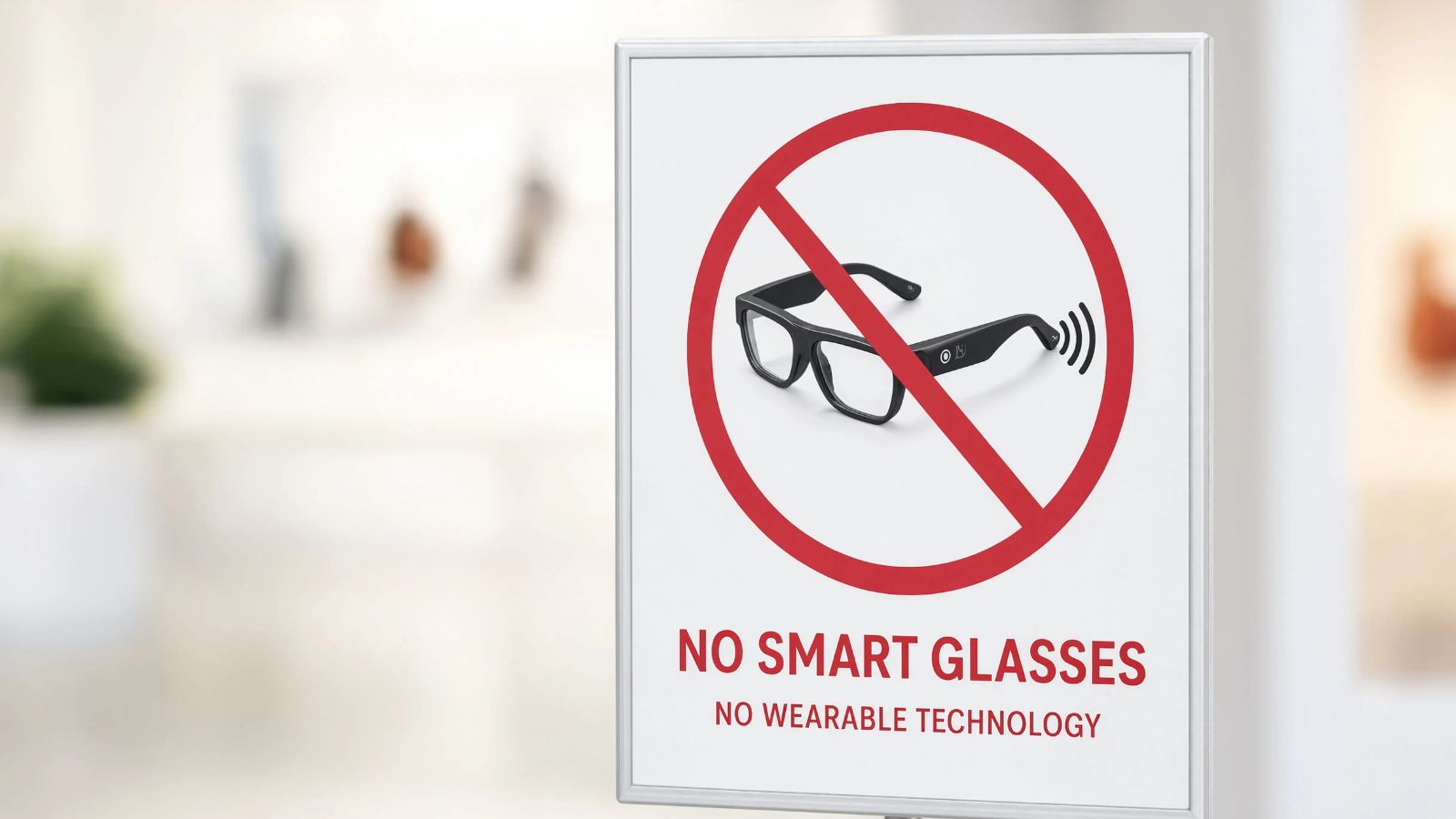
Smart glasses have become a more visible consumer technology category in recent years, particularly as companies combine cameras, microphones, speakers and AI assistants in conventional-looking eyewear. The devices can provide hands-free access to calls, audio, visual search and contextual information, but their always-available cameras have also raised questions about consent for people nearby.
The concern is especially acute when cameras are discreetly integrated into frames. Unlike a smartphone held visibly in someone’s hand, glasses can make it more difficult for bystanders to know when they are being used to take a photograph or record video.
According to Bloomberg, Apple has been considering several approaches. These reportedly include glasses with cameras designed for AI features but without photo and video-recording functions, as well as prototypes without cameras altogether.