powering productive workplaces
Front page
InterviewImmersive Work12 Aug 2026 · 2 min read

Do Smart Glasses Need Tougher Privacy Safeguards?

Jakub Zientala explains why smart glasses need stronger privacy safeguards, with manufacturers – not bans – central to the solution.

Smart glasses could face tighter privacy rules in Europe as concerns grow over covert recording in public spaces.

Speaking to UC Today, Jakub Zientala, Founder of EU public affairs consultancy Ungovern, believes an outright ban is unlikely to be practical – but instead, regulators should work with manufacturers to build stronger protections directly into devices.

The debate has intensified following concerns raised by Hamburg’s Data Protection Authority around the use of smart glasses in public.

Zientala said the issue sits within the wider European privacy landscape, including GDPR. However, enforcement is complicated by the fact that data protection authorities operate nationally, while smart glasses are sold globally.

“People are very mobile,” Zientala said.

“You can always bring this product with you from another country.”

Why a Ban Would Be Difficult to Enforce

A blanket ban on smart glasses would be difficult to implement in practice. Consumers could purchase devices abroad, order them online, or bring them into Europe while travelling.

Zientala warned that prohibition would not necessarily resolve concerns around misuse. Instead, it could create an unregulated market for devices that are still readily available elsewhere.

Rather than focusing solely on banning products, he argued that regulators should consider how manufacturers can make covert recording harder. Potential measures could include more visible recording indicators, controls requiring users to hold a button while filming, or other features that make recording clear to those nearby.

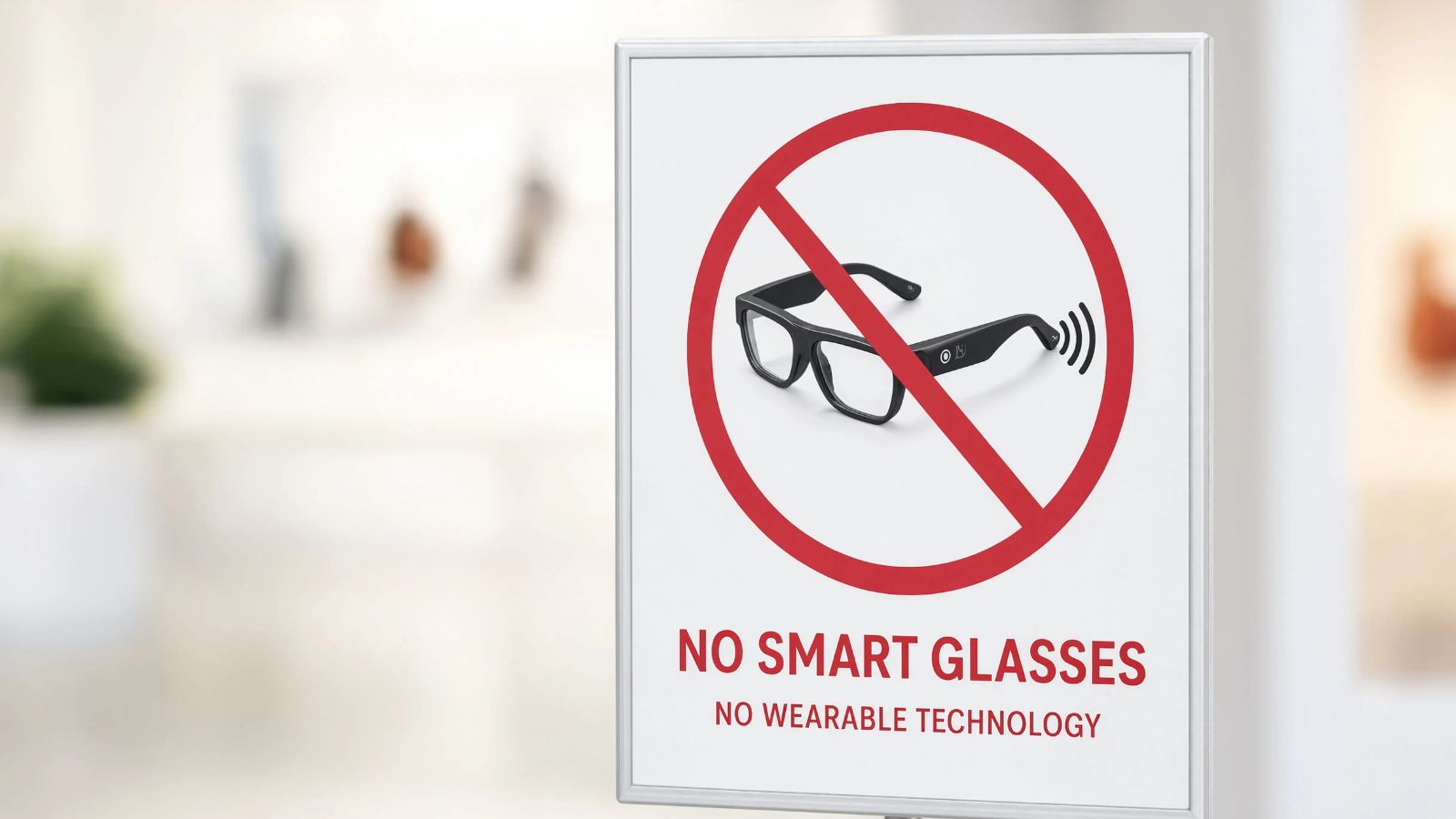
The goal should be to protect people’s safety and bodily autonomy without preventing useful technology from reaching the market.

“A lot of women expressed their concerns that their bodily autonomy is being violated because people are recorded covertly and they don’t feel safe,” Zientala said. “This is absolutely a very valid concern.”

Manufacturers Must Take Responsibility

Meta, whose Ray-Ban smart glasses are among the best-known products in the category, already uses a recording indicator. But critics have questioned whether these signals are noticeable enough in everyday environments or whether they can be bypassed.

Zientala believes companies must take more responsibility for addressing those concerns before regulators introduce more restrictive measures.

“This is not only a European problem,” he said. “The bulk of responsibility should fall under producers.”

He added that regulation may still be needed, but it must be targeted and practical. Rules should make safeguards difficult to disable and ensure people can clearly tell when recording is taking place.

As wearable AI devices become more capable and affordable, policymakers and manufacturers will need to strike a balance between innovation, privacy, and public trust.

rate this story
helps rank stories across uc today
The discussion0 takes · attributed & checked

Does this reflect your experience?

opening the room…
Read nextordered by techtelligence · every pick explained
same beat · Immersive Work

The Humanoid Robot Reality Check: What Enterprise AI Needs to Deliver

13 Aug 2026
matches this topicUK Pub Chain Clarifies Smart Glasses ‘Ban’ Reports11 Aug 2026matches this topicMeta Glasses Face Growing Privacy Scrutiny Across Europe5 Aug 2026