Meta’s camera-enabled smart glasses are facing growing privacy scrutiny across Europe, as officials, regulators and lawmakers examine whether the devices provide meaningful notice to people who may be filmed.
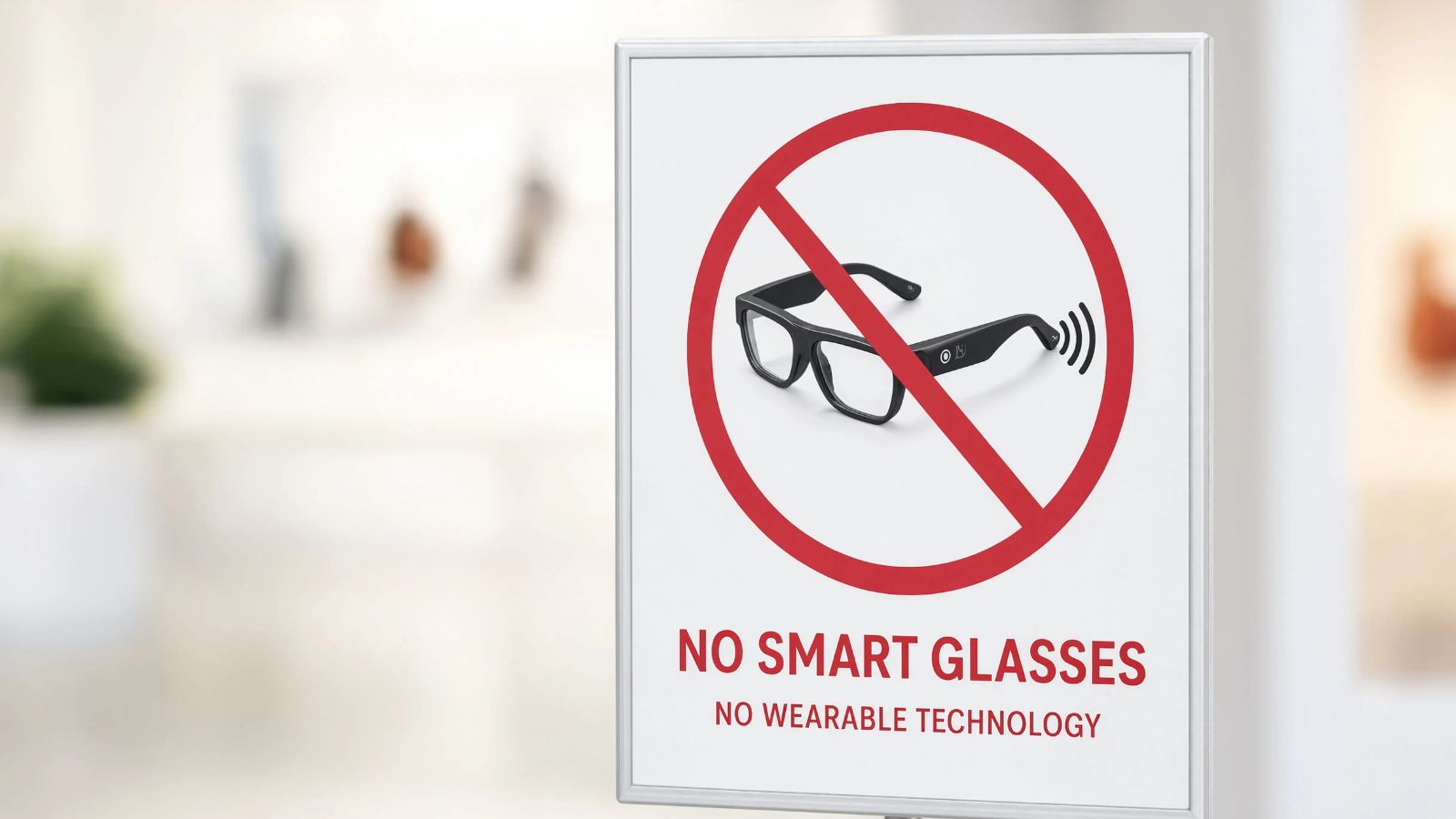
The debate has become particularly acute in Germany, where the commissioner of Hamburg’s data protection authority (DPA), Thomas Fuchs, has said an outright ban on smart glasses could be possible.
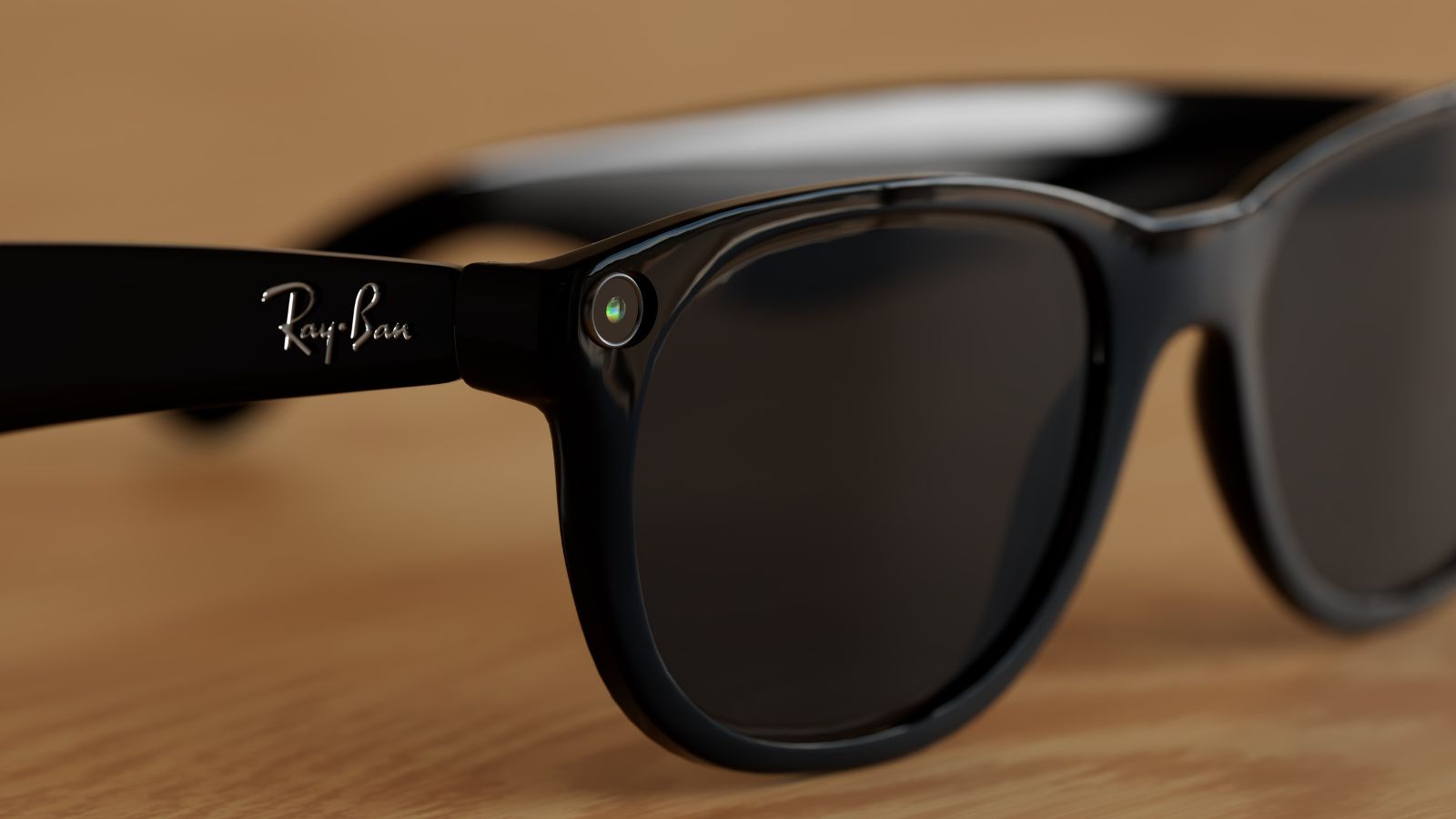
Fuchs told German broadcaster ARD that tests conducted by his office found the LED recording indicator on Meta’s glasses was too faint to be reliably seen in normal daylight.
He has also said he is discussing possible policy approaches with counterparts in Ireland, where Meta’s European headquarters are located, raising the prospect of an EU-level response.
Germany Raises The Prospect Of Restrictions
Germany is the clearest example so far of an authority openly discussing restrictions on smart glasses.
The country has a strong culture of privacy protection, and photographing or filming people without their consent can be unlawful.
But with smart glasses, victims may struggle to establish that a recording took place, identify the person who made it, or demonstrate that the footage was then used or shared.
A smartphone generally creates an obvious social signal. A person raises it, points it and holds it in position. Smart glasses remove much of that visual warning, making recording possible through a device that resembles ordinary eyewear.
Speaking to UC Today, Jakub Zientala, founder of EU public affairs consultancy Ungovern, said regulators should begin by asking whether the product itself delivers adequate notice.
“Smart glasses remove that gesture. They look like ordinary eyewear,” he said.
“A person can record while standing in front of you, and nothing in the situation makes that clear.”
He said technical safeguards should be made more robust before policymakers reach for a blanket prohibition. That could include a brighter, more conspicuous recording light that is visible outdoors and difficult to block or disable.
Devices could also be designed to stop recording if the warning light is covered, damaged or stops functioning, he said. In more sensitive settings, such as hospitals or changing areas, an audible notification could also be justified.
“The less visible the camera becomes, the more visible the warning must be,” he added.
Privacy Watchdogs Are Expanding Their Focus
The German debate sits within a broader European pattern of regulatory concern, although there is no announced EU-wide proposals to ban Meta’s glasses.