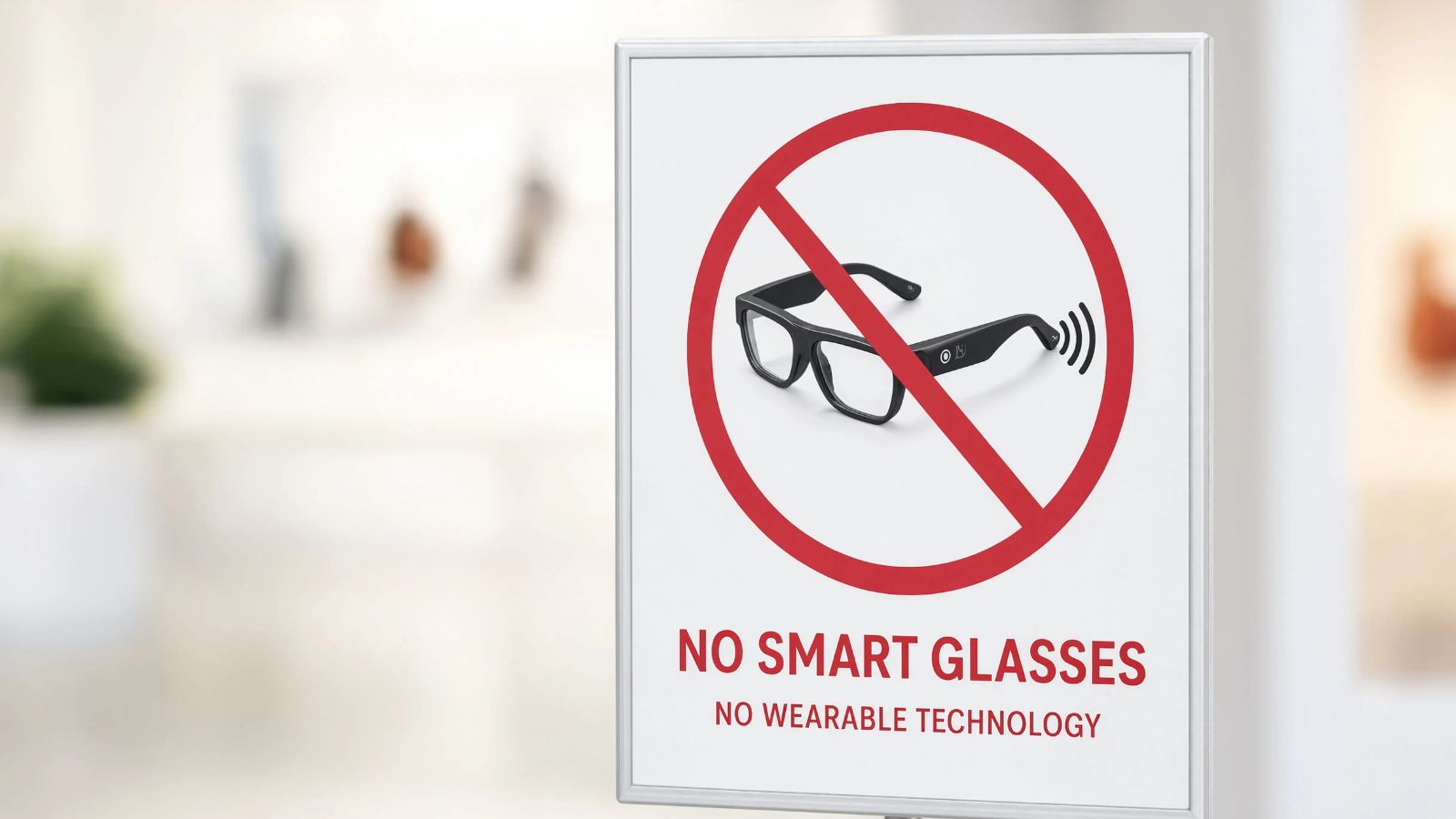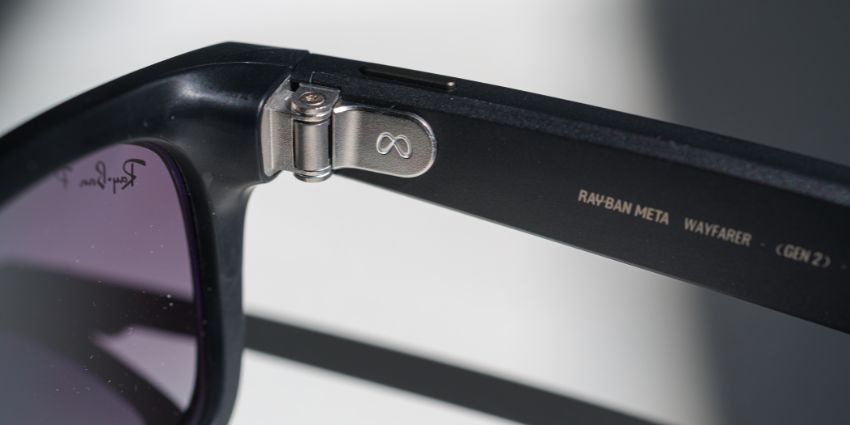
The European Commission has exempted smart glasses and other wearable devices from the EU's removable battery rules, removing a significant regulatory barrier that had delayed the rollout of Meta's RayBan smart glasses across the bloc – and potentially accelerating the arrival of competing products from Google, Samsung, and Apple.
The move exempts connected wearables including smartwatches, smart glasses, fitness trackers, and electric toys from requirements that consumer devices carry replaceable batteries.
The Commission said the exemption applies in cases "where opening a device could create safety risks or where technical limits make consumer access unrealistic."
US Pressure in the Background
The ruling comes months after US Ambassador to the EU Andrew Puzder publicly intervened on Meta's behalf, describing the battery rules as "so broad and so restrictive" that they prevented the sale of what he called a "wonderful, jointly developed, US-European product."
In a statement provided to UC Today, a spokesperson for the European Commission denied the decision was politically motivated.
"The Commission has not given in to anyone's pressure. Our proposals follow a broad public consultation with consumer associations, industry stakeholders and the Member States"
"The issue was raised by several representatives. The delegated act is not about regulating one specific product. Its purpose is to ensure safer consumer and industrial products in cases where opening a device could create safety risks or where technical limits make consumer access unrealistic."
The European Parliament and EU member states now have two months to object to the delegated act.
If no objections are raised, it will be published in the Official Journal of the EU and enter into force 20 days later.
What It Means for Enterprise
For IT and communications leaders considering smart glasses as part of their enterprise stack, the ruling matters.
Meta's RayBan glasses – which integrate AI assistance, camera functionality, and hands-free audio – have seen sales ramp up "exponentially" in the US, according to financial results from EssilorLuxottica, the French-Italian eyewear group that owns the RayBan brand.
More than seven million pairs were sold worldwide in 2025. But distribution across EMEA has been slow, with "more than half" of sales points still not served.
The battery exemption removes one of the structural blockers to that changing. For enterprises eyeing the technology for use cases such as field service, logistics, remote assistance, or hands-free communications, wider EU availability could accelerate procurement conversations.