
Amazon Web Services (AWS) have been investing heavily in their CPaaS strategy since they introduced the Chime SDK back in 2019. For AWS, communications should happen within the existing workflow and they have created an environment to enable developers to quickly add services such messaging, video calling, screen share and much more into their web or mobile applications.
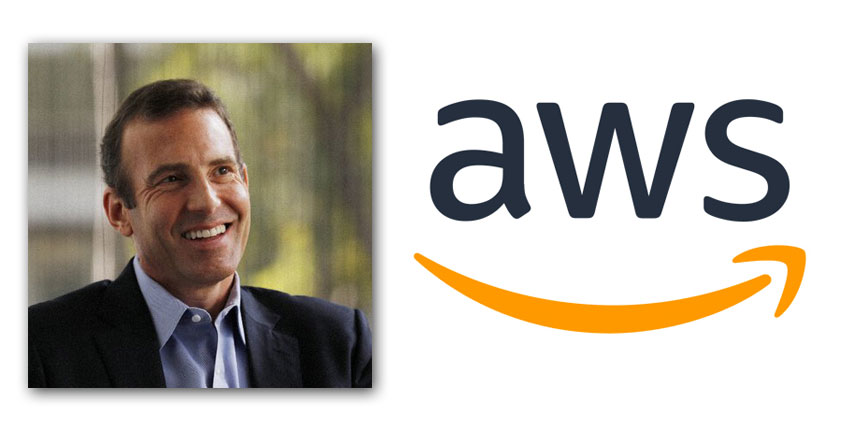
Given the tumultuous nature of 2020, I thought it was about time UC Today caught up with Larry Augustin, VP of Business Applications at AWS (pictured, above), to find out how the AWS philosophy of ‘integrated communications’ was going.
Go with the (work) flow
Over 2020 we have seen the Chime offering flourish and some big vendor relationships emerge. The Slack relationship grabbed most of the headlines during the year as the two businesses decided to integrate their services in a more meaningful way. But why are we seeing more of this type of integration throughout the market?
Augustin commented, “Whilst Slack has built in the Chime SDK we also have many more partnerships like Cerner that are using us to deliver a telemedicine service. Salesforce and Salesforce Anywhere are using us to build meetings, messaging and video communication into their product too. This plays to our approach, we think more of the communications stack will move to within applications. Rather than people having to break out of applications constantly to take on a video call, they will simply stay within the workflow.
But what about the trusty old managed video meeting we are all currently getting to grips with?
“We will still have scheduled meetings on video, or in person, but this kind of integration will be a completely different experience. We see this as being really important in specific industry verticals like healthcare for example. In a lot of these types of domains, people work within a specific application because of either regulatory reasons or they need constant access to specific data pools etc. They need to stay within their applications constantly and so it makes sense to launch communications directly from the existing workflow.”
Securing embedded communications
CPaaS isn’t just an opportunity to save time and be more efficient, through the use of APIs and SDKs businesses can implement authentication and security services too. This might be two-factor authentication or even the use of biometrics to reduce the risk of fraud or theft.
Larry said, “We have been able to completely lock down meetings with passwords and have really concentrated on authenticating users. We don’t just rely on a meeting password, that is where people can create risk."
"Security has always been our top priority, so we designed our products this way from the beginning. We take all our customers on the security journey, it’s a path that everyone follows, but there is some shared responsibility too. In different environments, applications, infrastructure, we have to be working all together to ensure the security there”
Has the mass movement to remote working created more issues on a security front?
Augustin continued, “If customers have moved to a work from home setup, this creates new security issues. When everyone is inside the office building, and they're on your local network, you have a certain degree of lockdown containment security that you don't necessarily have when someone is at home. They might be working from a personal device and they are in a completely different environment.
We are constantly trying to help our customers consider these new challenges. Our application AppStream has been particularly successful at helping businesses remain secure in work from home environments, particularly when it comes to keeping customer data secure.”


