

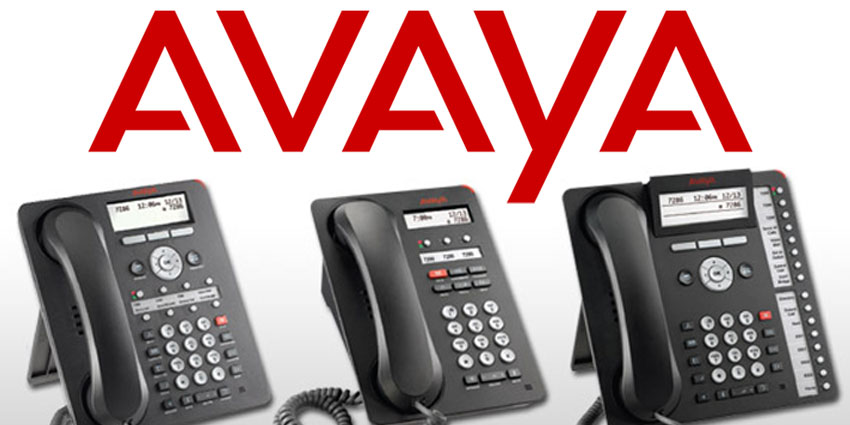
Leaders in the world of communication and technology, Avaya have been through a dramatic and exciting journey over the last few years. As the world enters an era of digital transformation (DX), this unique company has seen its own evolution as it moves deeper into the cloud and software environment. Following a highly successful start to 2018, we caught up with Avaya Sales Engineering Manager Rick Hawkes to find out more about how Avaya deliver next-level solutions to their smaller customers.
Rick has been with the company for several years, primarily involved with looking after partners on the behalf of the brand. As such, Rick has been in a fantastic position to drive positive growth in Avaya as the organisation looks for new and improved ways to serve their customers.
What is the Small Business Proposition for Avaya?
I started my conversation with Rick by asking him what he believes Avaya has in its portfolio to satisfy the smaller business environment of today. He began by informing me that to Avaya, a "small business" is classified as anything with 50 lines or less.
"Essentially, IP Office is the proposition, whether it's a traditional on-premises solution for smaller companies, a strategy on the cloud, or something in between. Over the years, our IP Office offering has evolved drastically, and we've been adding more services progressively to serve companies of various shapes and sizes. "
The fact that IP Office is now available as a "powered by" solution for hybrid communications makes deployment increasingly flexible for the small business market. What makes Avaya so unique for smaller organisations, is that they have the choice to decide exactly what they need from their collaboration tools and telephony. "It's about layering services strategically to provide the best experience for the client."
According to Rick, Avaya has recognised that flexibility is everything for the modern market. "Our customers know that we can deliver from the cloud, on premises, or with a hybrid of both depending on what they need. It's about giving people the best solutions at a time they need it most. It's also an answer to the finance issue with smaller companies who don't have a lot of budget to play with."
Are Smaller Companies Searching more for Collaboration?
As collaborative technology and UC&C become more popular in the business communications environment, I was interested to find out whether Avaya has seen a drive for more collaborative tech in their small business offering.
"I think there's still some tension there. Some small companies are still happy with the standard phone on their desk, whereas others want to explore the possibilities of collaborative features as they become more of a common aspect of our everyday lives. Video messaging, instant messaging, and features like that are becoming more common in everything we do."
Rick told me that fundamentally, telephony is still very important to the small business, and usually the foundation of their communication strategy. However, what Avaya is doing is giving companies the chance to layer additional services on top.
"They can start with a telephony system, then layer on hybrid features from the cloud at a price point that makes sense."
As Rick noted, the important thing for organisations to recognise today is that smaller businesses don't always stay small. "Today's brands need the scalability and flexibility to try new things at a time that suits them."
Does IP Office Serve the Need for Scalability?
[caption id="attachment_5944" align="alignleft" width="400"] Avaya IP Office[/caption]


