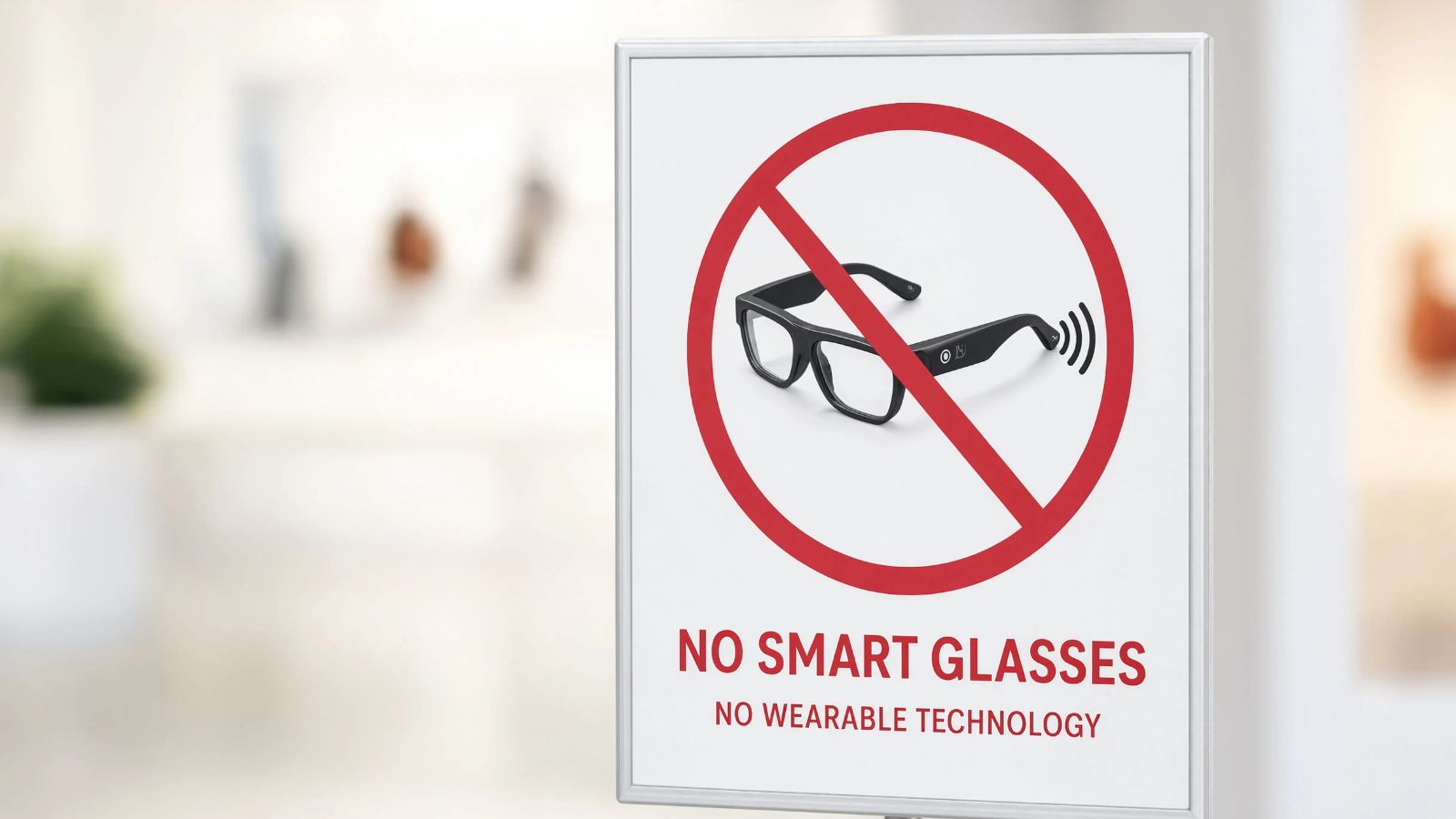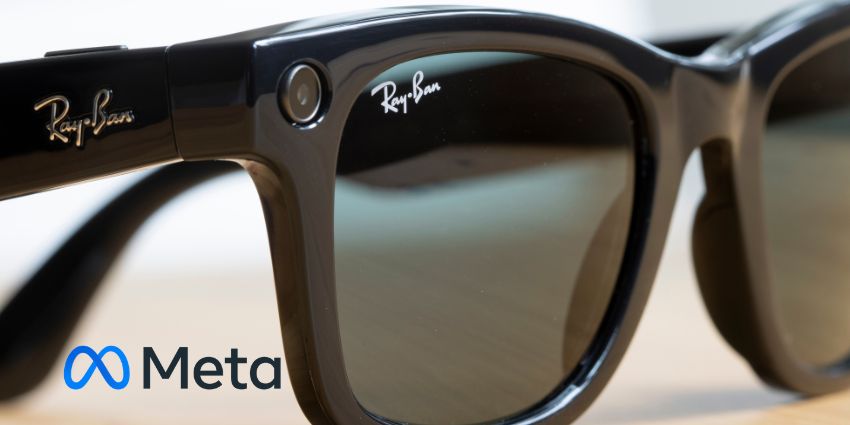
A coalition of 75 civil rights, privacy, labour, and consumer advocacy organisations has called on Meta to abandon reported plans to introduce facial recognition capabilities into its smart glasses – warning that the technology would turn everyday wearable devices into surveillance tools with profound implications for privacy and public safety.
In an open letter to Meta CEO Mark Zuckerberg, the groups urged Meta to immediately halt development of any facial recognition features for its Ray-Ban and Oakley smart glasses, including a reported internal feature known as “Name Tag”.
The coalition said the proposed technology represents a fundamental break from existing norms around public privacy, arguing that “facial recognition technology built into inconspicuous consumer eyewear represents a serious threat to privacy and civil liberties for every member of our society.”
The letter also warns about the scale of impact, stating: “People should be able to move through their daily lives without fear that stalkers, scammers, abusers… are silently and invisibly verifying their identities.”
The intervention marks one of the most coordinated public challenges yet to Meta’s ambitions in wearable AI, and signals rising concern that biometric identification is moving from controlled environments into always-on consumer hardware.
Coalition Warns Of Structural Privacy Breakdown
The signatories include major US organisations such as the American Civil Liberties Union, the Electronic Frontier Foundation, Common Cause, Public Citizen, and a wide range of state-level civil liberties, labour, and advocacy groups.
Together, they argue that embedding facial recognition into wearable devices would create a structural privacy problem that cannot be resolved through settings or consent mechanisms.
The letter was explicit on this point, stating: “These concerns cannot be resolved through product design changes, opt-out mechanisms, or incremental safeguards.”
At the core of their argument is the idea that facial recognition in smart glasses removes any meaningful expectation of anonymity in public space.
Unlike traditional surveillance systems, wearable devices operate at eye level and can identify individuals in real time without visible indication that scanning is taking place.
The coalition warns that this shifts surveillance from institutions to individuals, fundamentally altering how people interact in everyday environments.
Smart Glasses Become A New Surveillance Flashpoint
The concern is centred on Meta’s Ray-Ban and Oakley smart glasses, developed in partnership with EssilorLuxottica, which are already widely deployed as consumer wearable devices for capturing images, recording video, and interacting with AI features.
The letter argues that adding facial recognition would transform the category entirely.
It also highlights the irreversible nature of the technology once deployed at scale, stating: “The American people have not consented to this dystopian privacy invasion, and indeed there is no way to obtain meaningful consent of all people impacted.”
For critics, this is not a question of feature design but of category definition: whether consumer wearables should ever be permitted to identify bystanders in public space.
Law Enforcement Use Raises Additional Alarm
The coalition also raises concerns about potential use by law enforcement agencies, including US Immigration and Customs Enforcement (ICE) and Customs and Border Protection (CBP).