
Cortana is Microsoft's voice-powered virtual assistant, created to help Windows 10 users action requests, wrap tasks, and estimate future requirements by collating and contextualising personalised data. (Interesting fact - the name for Microsoft's AI assistant comes from the AI assistant that helps protagonist Master Chief in the Halo Xbox game series.)
Cortana was released in January 2015, on Windows 10, and has now moved forward with support for a variety of platforms - iOS devices, Xbox, the Edge browser, Android OS, Mixed Reality headsets, and other 3rd party products such smart speakers and thermostats. Microsoft suggests Cortana has over 148 million users.
Cortana can be deployed for several functionalities such as carrying out searches, earmarking meetings, and making to-do reminders, with contextual information helping to individualise your persoanl calendar, with other built-in benefits as well.
What's more, Cortana is strengthened and expanded by Microsoft's ever-growing ecosystem - Office 365, LinkedIn, Bing, Outlook.com, the Microsoft Graph, speech recognition tech, helping to improve the product consistently, even as it continues to assess what's working and what isn't, for its users.
Companies can also enhance Cortana's capabilities by adding critical data into Microsoft Azure and Microsoft Dynamics 365, envisioning a customised analytics solution with Cortana Intelligence.
Inside Cortana - what are its key features?
With deep access to multiple data streams - both on-device and in the cloud - Cortana can serve as a smart hub, linking user requirements to available data, while contextualising daily tasks. Users, as mentioned, can create reminders, specific to time and location, and Cortana will automatically offer reminders once the service is connected to Outlook.com, Gmail, or Office 365.
Microsoft has also added accessibility features, along with the ability to read overviews of new emails, the reading of custom high-priority emails, and to dictate responses/replies by voice.
Finally, other features include data collection from other platforms such as LinkedIn, activity recommendations, planners (both for work and pleasure), lists compilation, and other voice-driven commands.
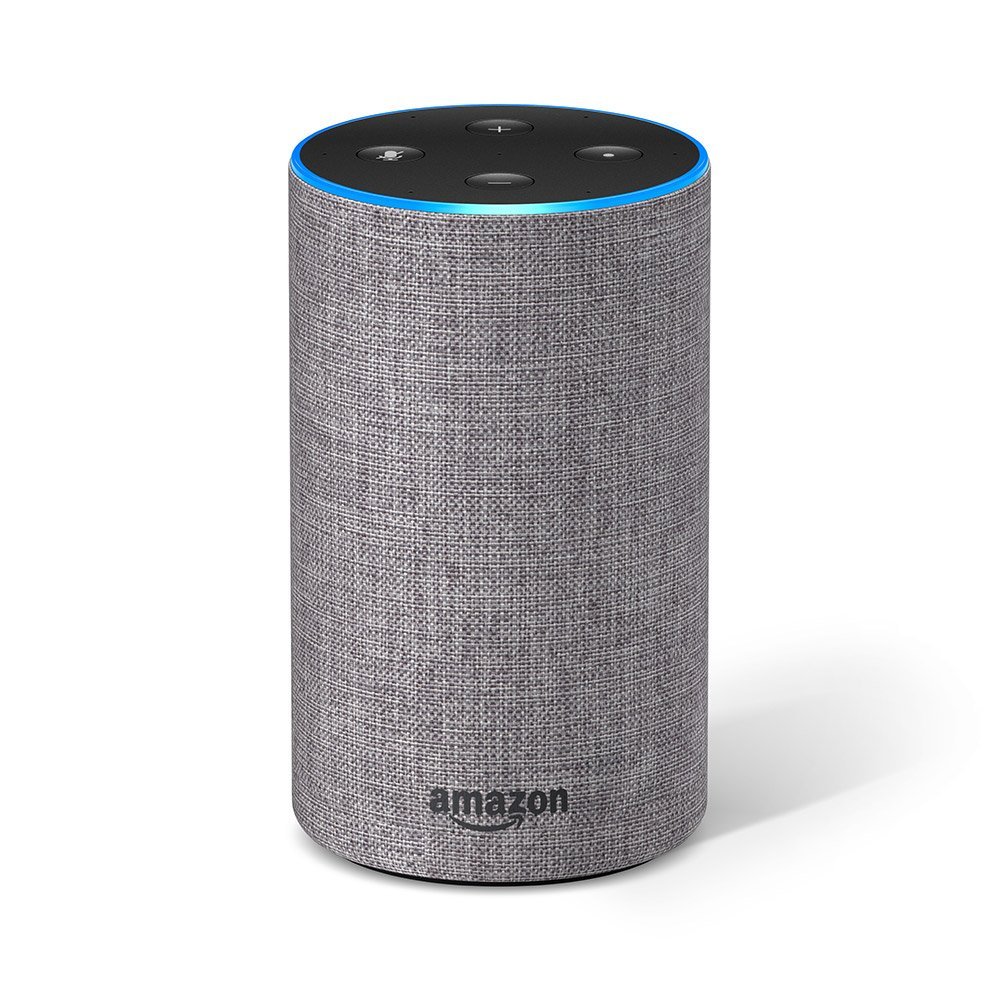 Amazon Echo - 2nd generation Virtual Assistant and home to Alexa[/caption]

