
In case you’ve been living under a rock for the past 12 months, GDPR is coming. Some companies are worried because they haven’t done enough. Some companies are worried because they haven’t done anything. And some companies are completely oblivious and have no fear.
This doesn’t cover everyone, of course. "GDPR Officer" is now a job title and enterprises are taking this seriously. Vigorous processes and procedures have appeared over the last year in readiness for this new regulation of protecting the consumer – or the consumer’s data, more specifically.
But the burning question is - do we even care?
SPAM
Sure, the idea of not receiving junk email appeals to everybody. However, think of the genuine junk emails you receive and whether the likes of those are going to be stringent in adhering to GDPR. The likelihood is this is a near untraceable bot linking lots of databases together. It then legally feeds back the unsuspecting victim's details when they finally get a click or a reply.
Unsolicited cold calls will decrease by 500%. Yes, this is probably correct if you use the right parameters. Think about when you see a phone number that you don’t recognise. You tactically ignore it then give it a sneaky call back to see if it’s automated and actually junk. You call back, just in case it’s that dream job or that client that you didn’t think was going to sign. However, it’s almost always:
“You have been called today by the waffle and waste of time service”.
The likelihood of these types of calls stopping due to GDPR is almost nil too. As much as they aren’t deregulated, they hardly play by the rules.
Privacy
 So, how is GDPR going to protect the consumer?
The official EUGDPR website suggests that GDPR was designed to harmonise data privacy laws across Europe, to protect and empower all EU citizens data privacy and to reshape the way organisations across the region approach data privacy.
As EU citizens, do we feel empowered? Absolutely not. As EU citizens, do we even care? Absolutely not.
As unfortunate as the state is, EU citizens have become so used to companies receiving our data that we no longer think twice. You can sign into most apps on your smartphone using Facebook. You can even do this with face recognition so the chance of reading what you are agreeing to is slimmer than ever.
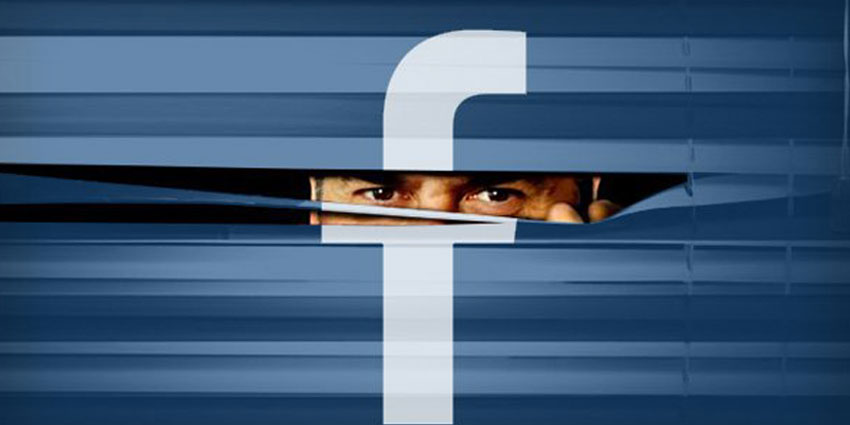
Facebook is a classic example of consumer trust. The brand and platform has grown to such heights that the consumer fully trusts Facebook. According to Statista, as of the fourth quarter of 2017, Facebook had 2.2 billion monthly active users.
Because of this scale, consumers are comfortable clicking this and that, looking for the quickest route to download or sign up to whatever it is they desire. Surely, a company as big as Facebook can’t be doing anything with our data. The reality is we don’t know. Sure, there is speculation and concern, but will we ever know what our data is being used for?
 As consumers, we trust big conglomerates like Facebook and
  When you phone a

