powering productive workplaces
Front page
InterviewImmersive Work30 Jul 2026 · 2 min read

From Courtrooms to Hospitals: Where Could Smart Glasses Be Restricted Next?

Could smart glasses restrictions spread from courtrooms to hospitals and workplaces? Privacy lawyer Beth Fulkerson examines the legal risks.

New York’s recent statewide ban on smart glasses in courtrooms may be the first of its kind, but it's not necessarily a radical departure from existing legal principles.

Speaking with UC Today, Beth Fulkerson, Partner and Chair of the Privacy, Data and Cybersecurity Practice at CM Law, said the policy largely reinforces long-established restrictions on recording devices in court settings.

“There’s already a law in courtrooms generally of no recording devices,” Fulkerson said. “We’re just applying, or the New York lawmakers are enforcing, the general policy around an existing law of no recording.”

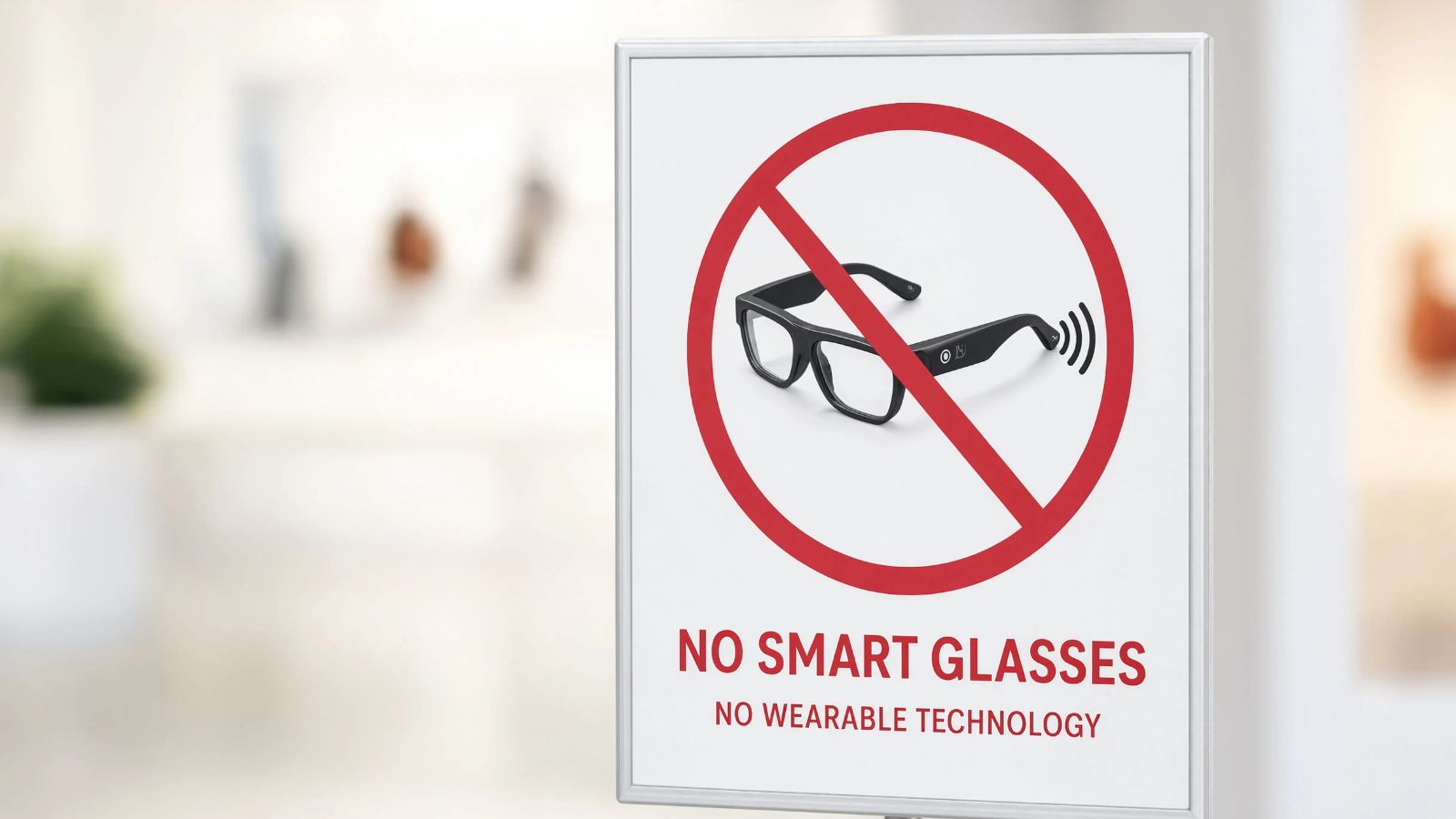
The difference, she explained, is practical. Smart glasses can be inconspicuous, making it difficult for court staff and others to know whether someone is recording audio or video. Rather than attempting to police individual use, the restriction removes the device from the environment entirely.

Workplace Privacy Meets Accessibility Considerations

That concern could extend beyond courtrooms. Fulkerson said employers and institutions need to consider both sides of the risk: employees wearing smart glasses may gain access to confidential information, trade secrets, or colleagues’ personal data, while other employees may have legitimate privacy concerns about being recorded in workplaces, restrooms, or locker rooms.

However, workplace bans are not necessarily straightforward. Smart glasses could provide meaningful accessibility benefits for some employees, creating potential disability-accommodation considerations. Employers must also be careful not to overlook labour-law protections around workplace safety, communication, and whistleblowing.
“It’s not a good idea to always have a blanket ban in the workplace,” Fulkerson said.

“There may be reasons that people need them.”

Hospitals Could Be the Next Test Case

Hospitals could become a key test case. Healthcare providers may see value in wearable technology that could simplify record keeping or improve access to patient information. At the same time, hospitals present a particularly sensitive privacy environment, where patients reasonably expect personal information and images to be protected.

Fulkerson said any use of smart glasses in healthcare would need robust safeguards, ensuring only authorised staff can access and use the devices.

When it comes to legal liability for unlawful recordings, there is no one-size-fits-all answer. The outcome depends on context, including the relationship between the person whose privacy has been affected and the organisation involved.

Rather than creating entirely new legal challenges, smart glasses must be assessed through existing rules on recording, surveillance, biometric data, privacy, and trade secrets. As adoption grows, organisations will need clear policies that balance confidentiality, privacy, accessibility, and the legitimate benefits of wearable technology.

rate this story
helps rank stories across uc today
The discussion0 takes · attributed & checked

Does this reflect your experience?

opening the room…
Read nextordered by techtelligence · every pick explained
same beat · Immersive Work

The Humanoid Robot Reality Check: What Enterprise AI Needs to Deliver

13 Aug 2026
matches this topicSolos Wants to Solve Smart Glasses' Privacy Problem – But Is a Clip-On Really Enough?9 Jul 2026matches this topicDo Smart Glasses Need Tougher Privacy Safeguards?12 Aug 2026