powering productive workplaces
Front page
InterviewImmersive Work27 May 2026 · 2 min read

Smart Glasses in the Workplace: The Legal and Privacy Minefield You Can't Ignore

Fox Rothschild's Mark McCreary, Chief AI & Information Security Officer, says employers may want to ban smart glasses now or face legal liability

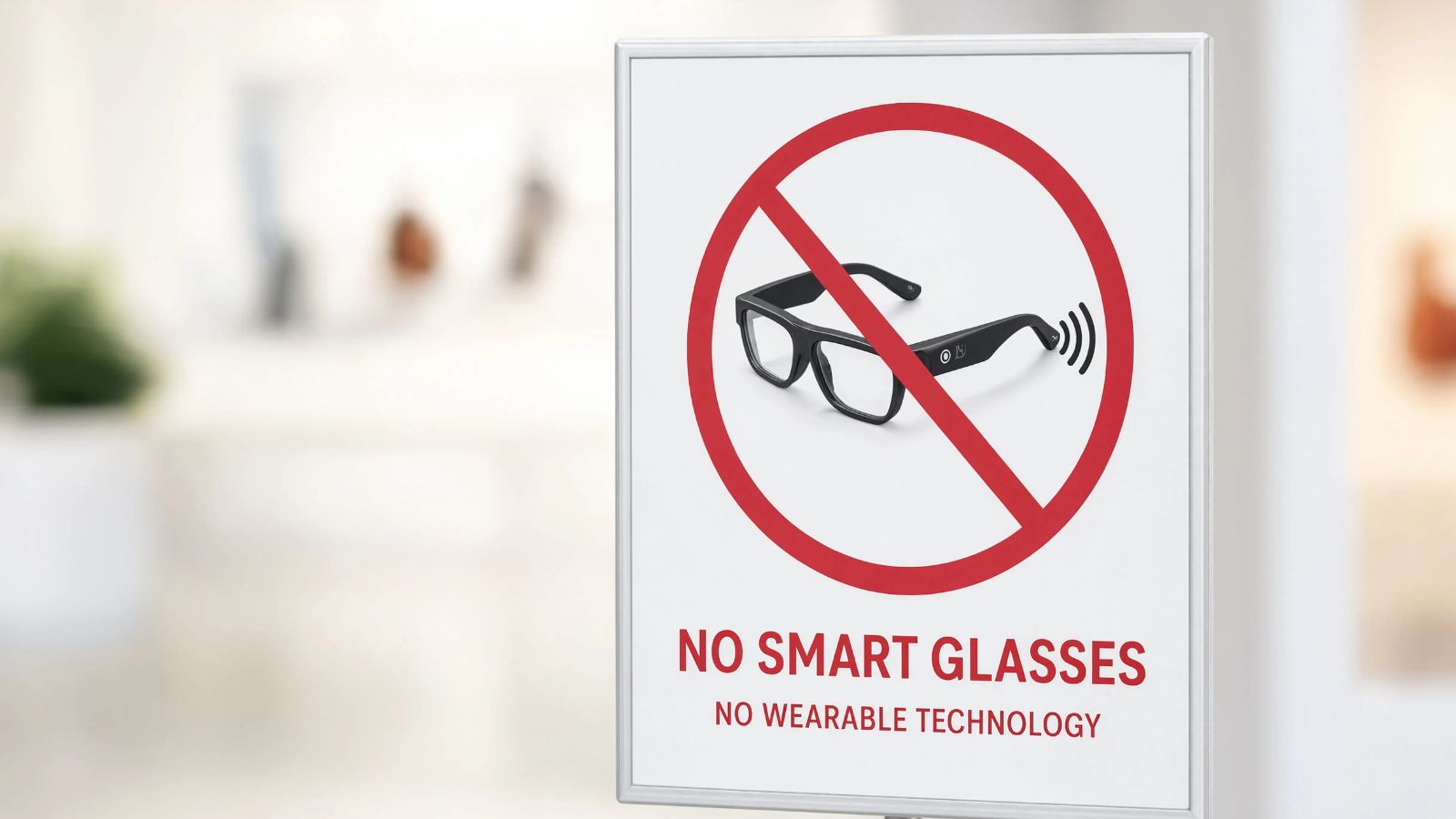
Smart glasses are arriving in the enterprise faster than legal frameworks can keep up. Employees wearing devices like Meta Ray-Ban glasses can capture continuous video, audio, and spatial data – often without colleagues or visitors knowing.

Speaking to UC Today, Fox Rothschild's Chief AI & Information Security Officer Mark McCreary called this a "minefield," adding that AI transcription errors compound the problem: inaccurate records of workplace conversations create their own disputes.

A Patchwork of Laws Creates Confusion

US wiretap law differs state by state. Between 11 and 13 states require two-party consent to record a conversation. An employer may believe they are operating in a one-party consent state, while the employee being recorded sits in Pennsylvania – which requires both parties to agree. McCreary warned that navigating these rules will become increasingly complex as wearable AI spreads through the workforce. European businesses face their own obligations under GDPR, but the US lacks any single federal standard.

Three Parties Can Share the Liability

McCreary identified three potential liability holders when a smart glasses recording goes wrong: the wearer, the manufacturer, and the employer. He argued employers have an obligation to prevent unauthorised recording in their workplaces – a point the Meta class action lawsuit is beginning to test in court.

What Employers Must Do Before Deployment

McCreary laid out clear steps for any enterprise considering a smart glasses policy. His personal recommendation is to potentially ban smart glasses in the workplace for now – but he was quick to add that a flat-out ban without an ADA accommodation process for medically prescribed devices could itself create legal risk. Any policy must also cover visitors, not just employees, and must be backed by active staff training.

He also flagged vendor contracts as a major risk area. "It's going to be very rare where it makes sense for you to give over information about how your company operates so that your vendor can improve their model and then sell it to your competitors."

rate this story
helps rank stories across uc today
The discussion0 takes · attributed & checked

Does this reflect your experience?

opening the room…
Read nextordered by techtelligence · every pick explained
same beat · Immersive Work

The Humanoid Robot Reality Check: What Enterprise AI Needs to Deliver

13 Aug 2026
matches this topicMeta Unveils $299 AI Smart Glasses to Bring Wearable AI to the Mass Market23 Jun 2026matches this topicSnap bets big on $2,195 AR glasses – but can it win over a sceptical market?22 Jun 2026