
The concept of ‘flexible working’ has grown in popularity over recent years, with more people working from home, working part-time or freelancing. In fact, recent data reveals that nearly half of workers today consider being able to have a good work-life balance as one of their top priorities when choosing a job.
As we look towards the future, flexible working is set to become even more popular, with 50% of UK workers expected to work remotely by 2020. This shift in modern working has even been recognised by the UK Government, with a proposed bill which stipulates that flexible working should be offered by default by all businesses. If approved, it will have a significant impact on how UK businesses manage their workforce and how they use office space.
This, in turn, will drive a significant shift in how we communicate and collaborate in order to continue to work productively. Here are some of the changes that UK businesses will have to consider to prepare for the mainstream adoption of flexible working.
A new approach to office design
[caption id="attachment_22697" align="alignright" width="200"] Nichole Izzo[/caption]
According to research from Gensler, individual workstations are only occupied 55% of the time at the average workplace. As more businesses embrace flexible working, there will be a stronger need to rethink how organisations use office space to accommodate the needs of their increasingly dispersed workforce.
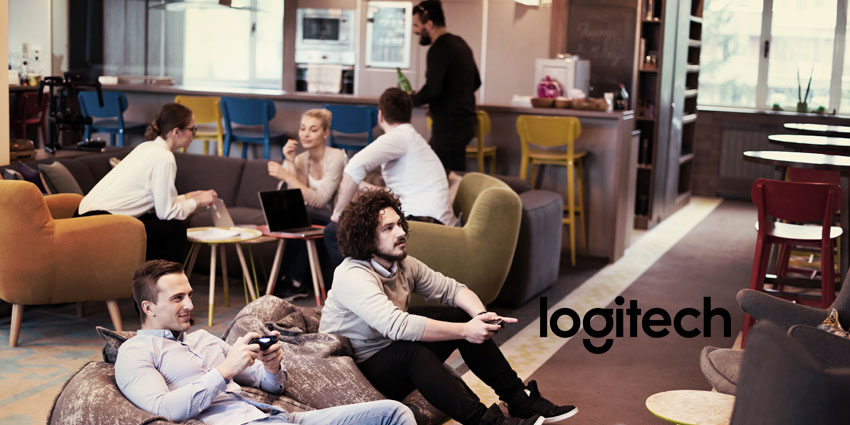
Companies could, for example, fit out an office with movable walls and pop-up meeting rooms. This means that when needed, dividers can be put up to create private spaces for meetings, both in-person and through video calls, but the rest of the time and more communal space is maintained, with break out areas and hot-desking policies designed to facilitate flexible work styles and encourage collaboration. These break-out areas should also be equipped with portable, easy to use video conferencing solutions and appropriate desktop peripherals such as headphones that can cancel out distracting noises.
Additionally, large, corporate meeting rooms are likely to become less popular, so they could be replaced with smaller, video-enabled huddle rooms designed for calls with remote workers. These spaces will need more specialised cameras that offer a wide field of view and integrated audio, allowing everyone to be seen and heard in a way which can replicate the informal style of collaboration within the office.
Facilitating collaboration across remote teams
As more employees begin to work remotely, teams will become increasingly disparate and there is a risk that the ability and inclination to communicate regularly and effectively could be lost. To combat this, businesses must empower remote workers to be productive and communicate easily with on-site employees when outside of the office.


