





What Will the XR Market Really Deliver by 2030?

Why extended reality will fade into the background—and quietly become essential to how enterprise work gets done by 2030

3
future of XR 2030 ai
Immersive Workplace & XR TechGuide

Published: February 13, 2026

Alex Cole - Reporter

Alex Cole

By 2030, the XR market will no longer stand on its own inside the enterprise. Instead, extended reality will fade into the background and act as embedded infrastructure. Much like cloud or mobile, XR will quietly support daily work rather than announce itself as a separate category.

As a result, enterprise buyers will stop judging XR by immersion or novelty. Instead, they will measure maturity by how well XR fits into existing systems, supports real work, and scales across teams without friction.

Ultimately, this move—from pilots to plumbing—will signal that the XR market has reached true operational maturity.

Will XR still be defined by headsets and devices?

In short, no. By the end of the decade, hardware will matter far less than operational fit.

Although device innovation will continue, hardware will become interchangeable. Headsets and smart glasses will function like laptops today: necessary, but not strategic. What will matter instead is how XR connects with:

  • Core enterprise platforms
  • Workflow design and process logic
  • Change management and workforce adoption

Already, forward-looking organisations are moving past flashy demos. Instead, they embed XR into training, support, and frontline workflows where it cuts friction, speeds up tasks, and improves consistency.

Why will assisted reality dominate frontline XR use cases?

Because it matches how work actually happens.

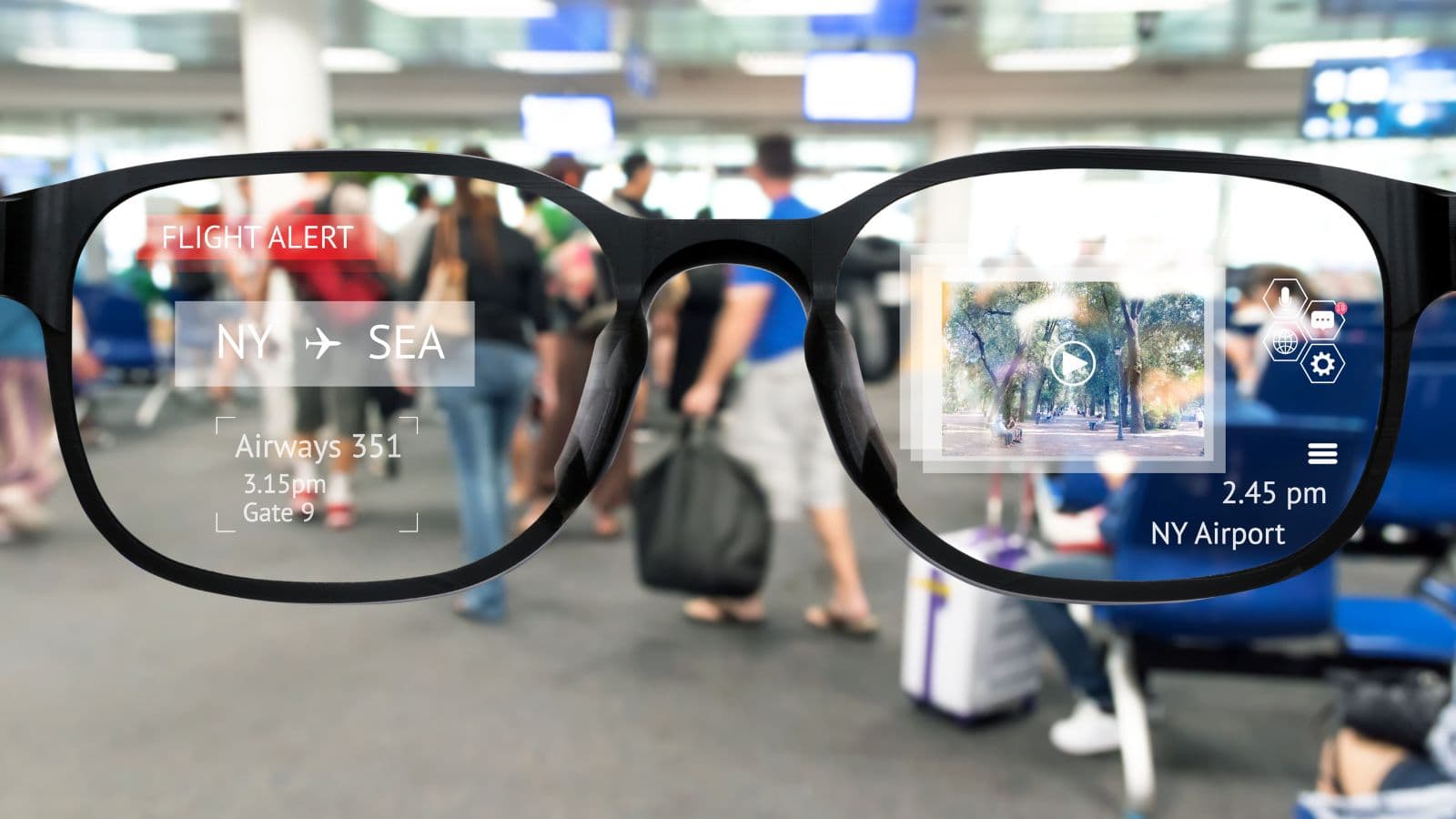
In environments like manufacturing, utilities, healthcare, and field service, screens slow people down. Workers need their hands free and their focus on the task. Assisted and augmented reality solve this by delivering glanceable guidance at the right moment.

By 2030, assisted reality will be standard for:

  • Remote expert support
  • Inspections and compliance checks
  • Step-by-step task guidance

Most importantly, success will not come from more data. It will come from less noise. XR works best when it reduces cognitive load and shows only what matters, exactly when it matters.

How will XR governance evolve by 2030?

By then, XR governance will move out of IT and into the boardroom.

As XR embeds itself into operations, it will capture visual, spatial, and behavioural data. That reality raises clear risk and compliance questions. Therefore, enterprises will expect XR platforms to meet the same standards as any other core system.

That means:

  • Role-based access controls
  • End-to-end encryption
  • Full audit trails
  • Clear data ownership and retention rules
  • Standardised device lifecycle management

Consequently, any XR solution that falls short will fail procurement and risk reviews—no matter how advanced the tech looks.

How will XR converge with AI, analytics, and digital twins?

Over time, XR will become the interface layer between people and complex systems.

By 2030:

  • AI will adapt XR guidance in real time based on skill level and context
  • Analytics will turn XR usage into insight on process gaps and training needs
  • Digital twins will replace dashboards with live, spatial views of assets

In this setup, visual polish won’t define value. Instead, value will come from how clearly XR turns complexity into action.

What is the long-term cultural impact of enterprise XR?

The biggest shift will be cultural, not technical.

As XR becomes infrastructure:

  • Training moves from one-off events to continuous learning
  • Expertise spreads more easily across sites
  • Collaboration becomes spatial and task-based, not transactional

Over time, these changes reshape how work feels. Teams rely less on manuals and screens and more on shared context. As a result, loyalty shifts away from tools and toward a way of working that’s hard to replace once embedded.

How should enterprises prepare for the XR market at scale?

The enterprises that win by 2030 are not waiting for XR to “settle.”

Instead, they invest now in the foundations that make XR scalable:

  • Governance frameworks and risk models
  • Deep integration with core systems
  • Workforce readiness and change management

They understand a simple truth: XR’s value does not come from spectacle. It comes from making complex work safer, faster, and easier to repeat at scale.

What is the real promise of the XR market?

The real promise of XR is not a killer device or a breakout moment.

By 2030, enterprises will not “adopt” XR. They will simply work through it. XR will act as quiet infrastructure—a durable edge for organisations that commit early and build with intent.

In the end, the future of XR is not about being seen.
It’s about being dependable.

Augmented RealityExtended RealityMixed RealitySpatial Computing & XR​
Featured

Share This Post