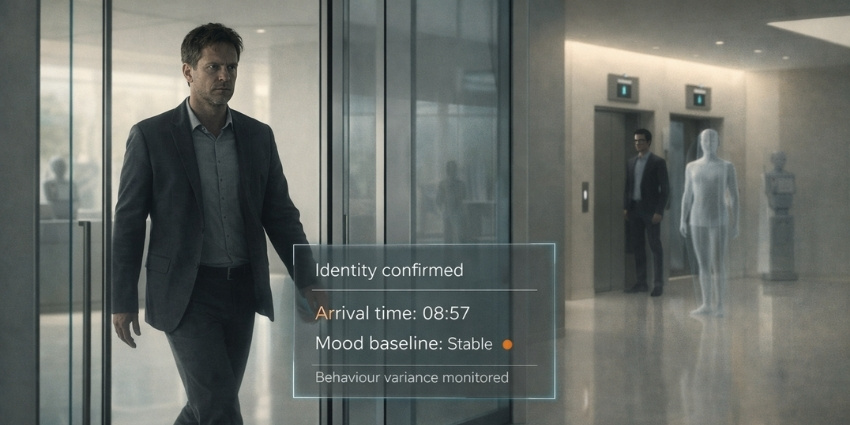

People are struggling at work. Leaders talk a lot about skills gaps, but the blame almost always lands on tools or technical know-how. The bigger problem slips by unnoticed. The human skills people rely on when things get tense are wearing thin.
Yes, plenty of people need more help understanding AI, automation, and new tools, but underneath that, soft skills are fading away. People freeze when they’re faced with conflict, because psychological safety is disappearing. Managers avoid feedback until it’s too late. Relationships in the workplace disappear because people spend more time working with bots instead of other people.
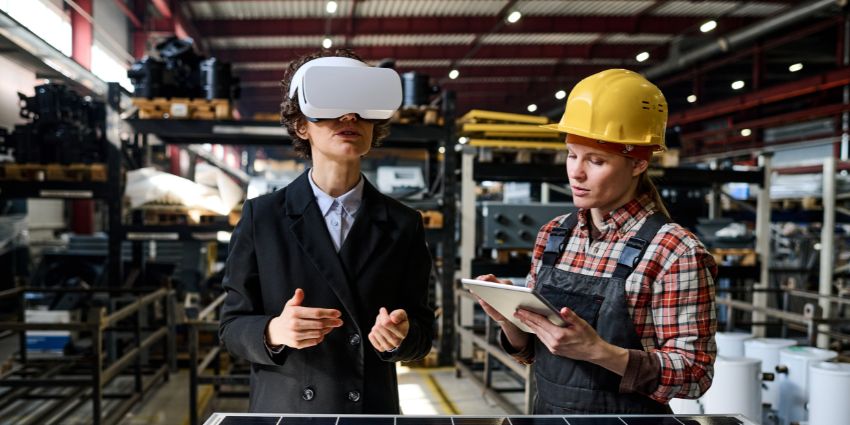
That’s one of the reasons why XR soft skills training is resurfacing. Immersive learning and roleplay sessions give people something they almost never get at work: a safe place to practice high-stakes human moments. Even better, there’s proof it works. PwC has already found VR learners complete training four times faster than their classroom peers and feel 3.75x more connected to the content.
It’s time to take a closer look at how XR can support human-led transformation in the workplace.
Further Reading:
- Extended Reality in 2026: From Experiment to Infrastructure
- Extended Reality for the Enterprise Explained
- Enterprise XR Trends 2026
Why are Soft Skills Becoming Harder to Teach in Modern Workplaces?
Employees aren’t suddenly “losing their humanity”, but they’re recognizing that the margin for error has vanished.
Hybrid work took away the apprenticeship layer of learning. You don’t overhear how a senior manager handles conflict anymore. You don’t watch someone calmly push back on a bad idea in a meeting. You’re just dropped into the moment and expected to figure it out, sometimes live, on camera.
At the same time, work got denser. Fewer people, more responsibility, tighter timelines.
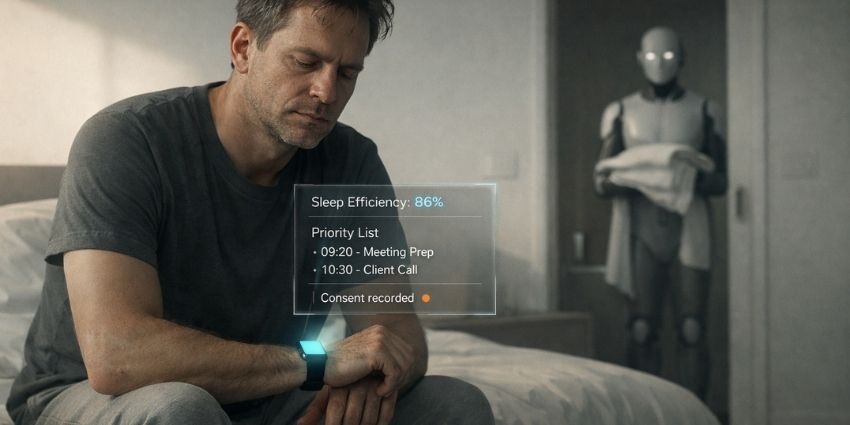
Then AI arrived and poured fuel on the situation. Decisions move faster. Errors surface instantly. Accountability gets blurry. People now have to explain uncertainty, challenge automated recommendations, and de-escalate consequences they didn’t personally create. Those are leadership skills, ethical skills, and communication skills. Not tech skills.
What makes this worse is how most training still works. Slide decks. Scenarios with no emotional weight. Roleplay that feels artificial and performative. People “pass” the course and still avoid the conversation when it counts.
This is the gap XR soft skills training is stepping into. Immersive roleplay recreates the moments where judgment slips and lets people practice without wrecking trust or risking harm. That’s important now, because people don’t burn out just because they lack knowledge. They burn out because they lack practice.
How Can XR Improve Soft Skills Training?
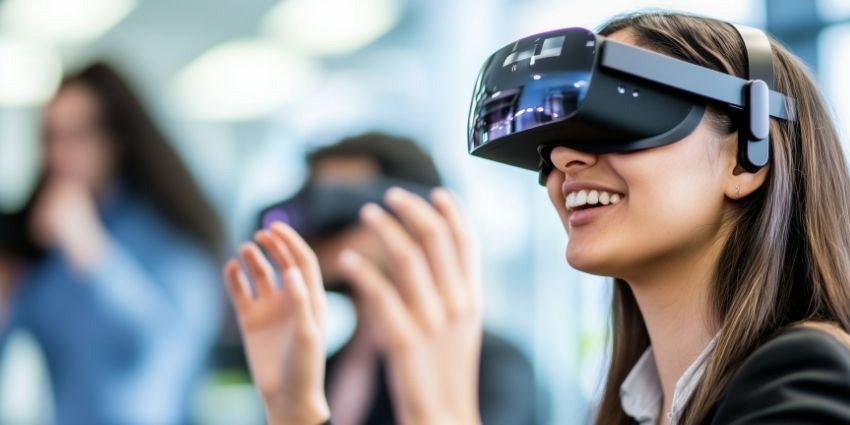
When team members face high-pressure moments, they don’t stumble because they forget a framework. They trip because they haven’t practiced the moment itself. XR soft skills training works because it trains behavior in conditions that actually resemble work.
With XR training solutions, teams get access to:
A Safe Place to Fail Without Real-World Damage
Every failure is an incredible opportunity to learn. In Vodafone’s VR presentation training sessions, people can see what happens when they hesitate, use the wrong tone, or stumble over words, then adapt. There are no long-term consequences to worry about, they just get clarity.
That matters because in real life, you usually only get one shot to get things right. According to PwC’s broader VR research, three-quarters of learners said they had a “wake-up call” moment during immersive training, realizing their instincts weren’t as effective or inclusive as they thought. That kind of self-correction rarely happens in slide-based training.
Repetition That Builds Judgment
Soft skills aren’t linear. You don’t “learn” them once. Context changes how skills are applied. Teams need training on handling the same:
- Scenario with different personality types
- Issue with different emotional states
- Decision with different consequences
This is why enterprises using immersive roleplay report stronger knowledge transfer. Companies using Moth+Flame modules found that 90% of participants felt significantly more confident applying skills afterward. That confidence was built through repeated exposure, not explanation.
Emotional Realism That Holds Attention Under Stress
People check out the second training stops feeling real. You can almost hear the internal voice asking, Would this ever actually happen like this? Immersive environments give leaders a way to build situations that feel familiar, uncomfortable, and believable. That’s when people stay with it. With certain solutions, like smart glasses, people can actually access learning resources as they work, in the real world.
People connect to the situation and the learning opportunity because the situations feel similar to something they’ve already faced. That makes them focus, and focus increases recall, as well as learner confidence.
Standardization Without Flattening Nuance
Traditional roleplay is hit or miss. It depends on who’s running it, who’s in the room, and how much energy anyone has that day. XR doesn’t have those mood swings.
- Every learner faces the same baseline scenario
- Expectations are consistent
- Feedback is comparable
This is one reason large enterprises favor XR for soft skills when consistency matters, it helps teach the same leadership behaviors, safety guardrails, and ethical skills, rather than just transferring knowledge.
AR and MR as Reinforcement, Not Replacements
VR handles rehearsal. AR and MR handle recall.
- In-the-moment prompts for difficult conversations
- Escalation checklists during real incidents
- Safety cues embedded directly into workflows
Together, they turn immersive learning into a system, not an event. People learn continuously, rather than just waiting for a new program to pop up.
Need more guidance? Check out our guide to how XR technology works.
How Does Simulation Improve Learning?
One reason XR soft skills training keeps gaining ground is flexibility. With metaverse-style platforms and adaptable XR operating systems like Android XR, teams can shape scenarios around the skills that actually matter to them.
De-Escalation and Conflict
These scenarios work because they teach restraint and recovery, and they don’t need to revolve around customers at all. They can just as easily cover:
- Heated peer-to-peer disagreements
- Cross-functional conflict where authority is unclear
- Pushback from a senior stakeholder when the data isn’t on your side
- Conversations where emotions spike before facts matter
In immersive roleplay, learners feel the tension build and have to decide when to pause, when to acknowledge, and when to redirect; those skills are hard to build with multiple-choice assessments.
Coaching, Feedback, and Leadership
Managers need coaching too, and they often struggle with traditional courses. XR soft skills training sessions can help them with:
- Correcting behavior without triggering defensiveness
- Addressing performance issues early instead of letting them fester
- Balancing empathy with accountability
- Handling “I didn’t mean it that way” moments
These scenarios are especially effective in XR because learners experience how small wording changes shift the entire conversation.
Inclusion and Ethical Moments
These scenarios matter, but only when grounded in reality.
- Microaggressions that weren’t intended but still landed
- Bystander intervention when silence feels safer
- Equitable decision-making under time pressure
- Psychological safety moments where speaking up carries risk
Used well, immersive learning here isn’t about guilt. It’s about timing, language, and confidence when the room goes quiet.
Safety Leadership Conversations
These are soft skills with operational consequences.
- “Stop the line” authority moments
- Near-miss reporting when no one wants to be blamed
- Rule reinforcement under production pressure
- Challenging authority gradients without escalating conflict
Practicing these conversations in XR soft skills training builds muscle memory for clarity under stress, before someone gets hurt.
Communication and Presentation Skills Under Scrutiny
Communication lives or dies on composure.
- Presenting to skeptical or openly hostile audiences
- Handling interruptions without losing control
- Thinking on your feet during Q&A
- Executive updates when the news isn’t good
A small data point: The Guardian reported early results from a VR public-speaking tool where self-reported anxiety dropped from 65% to 20% after a single session. Exposure plus rehearsal works. You don’t need ten modules, just the right pressure.
How Can Companies Use XR for Soft Skills Training?
Once you see the opportunity in XR soft skills training, it’s easy to rush into rolling out tech, without thinking carefully about design discipline. If XR training doesn’t work, it’s usually because leaders focus on novelty, rather than opportunity.
Start with Pressure Moments
Forget competency maps for a minute. Start with damage.
Ask where soft-skill failure creates real cost:
- Escalations that spiral
- Rework caused by miscommunication
- Safety incidents that “almost” happened for field workers
- Attrition triggered by bad manager conversations
- Complaint spikes that trace back to tone, not policy
Pick a few moments to focus on to begin with, or you risk overwhelming staff.
Build the Practice Loop
One immersive experience doesn’t change behavior. Loops do.
A structure that actually works:
- A short pre-brief: what “good” looks like in this situation
- Immersive roleplay (10–20 minutes, no spectators)
- A real debrief: what happened, where judgment slipped, why
- Repeat the scenario with variation
- Follow-up practice inside real workflows
This is how immersive learning turns into muscle memory instead of inspiration.
Blend VR Practice with AR Reinforcement
VR is great for rehearsing moments, AR and MR are fantastic when employees need reminders of what to do in the moment (without checking a smartphone or guide).
Used well, AR supports:
- Conversation prompts during real escalations
- Safety and compliance cues at the point of work
- Escalation handoffs when stress is high
Add AI that reacts to what’s happening in the moment, and suddenly the experience sharpens. The system notices patterns, captures what matters, and feeds it back while it’s still fresh.
Decide Upfront What You’ll Measure
If you measure the wrong thing, you’ll optimize the wrong behavior.
Track outcomes that signal transfer:
- Confidence to apply skills
- Time-to-competence
- Fewer escalations or incidents
- Clearer leadership behaviors
Keep engagement scores as supporting context, not the headline. The goal isn’t getting everyone excited about XR; it’s about making a natural way to support soft skill development.
How to Avoid “Uncanny Training”
When XR is built to wow people instead of changing behavior, it usually collapses under its own weight. Flash wears off fast. Opportunity doesn’t. A few things to keep in mind:
- Emotional realism beats photorealism: Perfect avatars don’t teach judgment. Pressure does. People need situations with awkward pauses, messy reactions, and consequences that shift based on what they say and do. When everything feels polished, learners perform. They don’t react. Immersive roleplay only works when it’s uncomfortable enough to reveal real habits.
- Debrief loops are crucial: Without a debrief, XR feels like a novel experience. After the headset comes off, teams should have a chance to think carefully about what they did and why, where they made mistakes, and what assumptions drove them in the wrong direction.
- Follow-up practice prevents skill decay: Soft skills fade quickly when pressure returns. Teams need steady reinforcement. That might be five-minute refreshers, in-the-moment AI nudges, or managers backing the behavior day to day. One session is never enough.
Be honest about the data, too. What’s tracked? What isn’t? Why does it exist? Once people think training is spying, the headset stays in the drawer.
Soft Skills: Immersive Roleplay Is the Practice Ground
What keeps failing in organizations today is usually performance under pressure.
People know the right thing to say. They’ve seen the slides. They’ve passed the course. But when the moment hits, packed with conflict, ambiguity, authority, and emotion, everything collapses. That’s the soft skills gap that no LMS has ever closed.
XR soft skills training works because it treats those moments as something you rehearse, not something you hope for. Immersive roleplay gives people reps when the stakes feel real, but the consequences aren’t. That’s how confidence forms.
This isn’t about novelty or headsets. It’s about acknowledging that soft skills are the highest-risk surface in modern work, especially as AI accelerates everything around them. XR for soft skills turns that risk into practice. Immersive learning finally matches how work actually feels.
If you’re ready for a closer look at the opportunities you can unlock with XR, start with our guide to extended reality for business.
FAQs
What is immersive roleplay in corporate training?
It’s practice for the moments people usually avoid. Instead of reading about how to handle conflict or give tough feedback, employees step into a simulated situation and try it. The conversation reacts to them. If they stumble, they see what happens, then run it again. No real damage, just repetition until the response improves.
How can organizations measure the impact of soft skills training?
Don’t start with satisfaction surveys. Look at behavior afterward. Are managers addressing problems earlier? Are conflicts getting resolved faster? Are escalations dropping? Those signals tell you far more than course ratings.
Why are companies returning to scenario-based training models?
Because theory doesn’t hold up when the room gets tense. Scenario training focuses on the exact moments where judgment usually fails. Companies are rediscovering it because those moments are where leadership either shows up or collapses.
What technologies support immersive learning experiences?
Most setups are a mix. VR headsets for the roleplay itself. AI-driven characters that respond to what people say. Some analytics running quietly in the background so companies can see how learners handle different moments. Nothing especially flashy on its own. It’s the combination that makes it work.
How does simulation-based learning improve retention?
It comes down to memory. We hold onto moments where we had to decide something, not moments where someone talked at us. Simulation creates those small decision points, and that’s usually enough to make the learning stick.