Businesses embracing the disruptive working environment COVID-19 has produced are safer from cyber security threats than those enforcing company-wide policies.
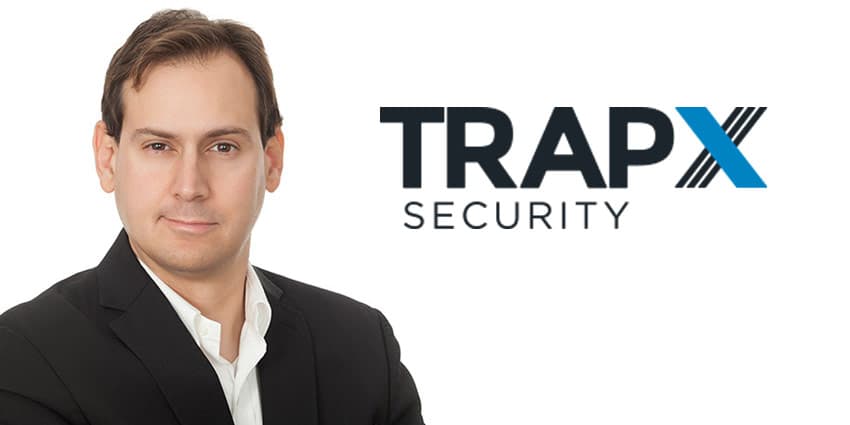
That is the opinion of Ori Bach, TrapX Security CEO, who said that employees not sticking to a business sanctioned cyber security policy and instead using software and hardware that they feel most comfortable with, known as ‘Shadow IT’, are assets with the correct security system in place.
Speaking to UC Today following the launch of TrapX Security’s Deception-as-a-Service solution, Bach said “The reality of the remote working environment is often stronger than whatever policy companies have in place.
Even if a business says employees are only allowed to use an approved laptop or smartphone and do certain things with it, reality happens and we're now all working from home. Those of us who have families also need to share resources sometimes so Shadow IT will happen because employees can't or don’t want to physically come into an office, they find different workarounds and loosen permissions in a way that they probably should not.
I think the way to handle that is not to try to eliminate it but actually figure out how your business can thrive in this disruptive environment. This deception solution actually works better in this disruptive environment because when a hacker gets into a structured environment, they know where they need to go because they do their homework. When a hacker now lands on an endpoint now, they don't know they are easier to manipulate, they are easier to divert because hackers are so reliant on reconnaissance.”
Deception-as-a-Service
The TrapX Deception-as-a-Service technology sets up lures and traps using fake VPN credentials, files and browser histories on corporate or cloud networks in order to entice and trap hackers attacking the business. The solution also offers to assess an endpoint’s security as well as monitoring and assessment of all attempted breeches.