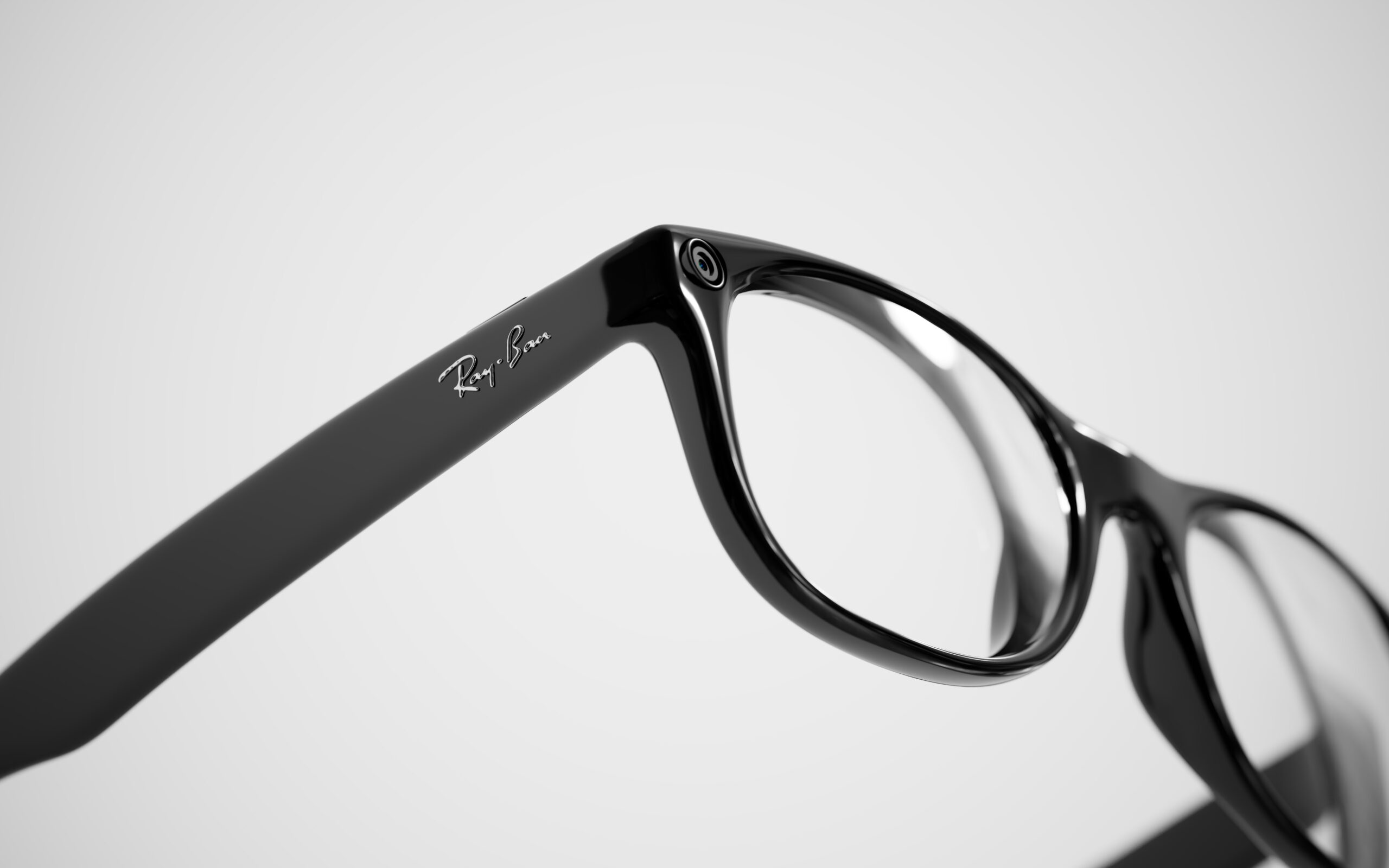

Meta has introduced monthly usage limits for Conversation Focus, an AI-powered feature on its Ray-Ban smart glasses designed to help users hear conversations more clearly in noisy environments.
The feature uses the glasses’ built-in microphones, beamforming technology and real-time audio processing to amplify the voice of the person speaking directly in front of the wearer.
Under the new limits, users will be able to access Conversation Focus for up to three hours per month at no cost.
Once that allowance is used, continued access requires a subscription to Meta One Premium, priced at $19.99 per month, which increases the monthly limit to 15 hours. Users who reach the free cap must wait until the next calendar month for their allowance to reset unless they subscribe.
Meta says the change applies only to selected AI features on its smart glasses and that core functionality remains free. Other features, including live translation and the built-in voice assistant, continue to be available without a subscription.
The company has also said that most users will not be affected, describing the subscription tier as intended for “power users” who want extended usage and additional benefits such as enhanced device support.
Accessibility and positioning
Conversation Focus was first introduced as part of Meta’s broader rollout of AI features for its Ray-Ban smart glasses. It was positioned as a tool to improve everyday interactions in challenging audio environments and has also been highlighted in relation to accessibility use cases.
While Meta stresses the feature is not intended as a medical device or hearing aid, it has previously promoted its potential benefits for users who struggle to hear conversations in noisy settings.
The introduction of usage caps has prompted criticism from some users, particularly given the feature was previously available without a subscription requirement.
The situation is further complicated by the fact that Meta One Premium is not currently available in all markets, including the UK.
Part of a wider subscription strategy
The change forms part of Meta’s broader push to test subscription models across its AI products and consumer platforms. The company has previously indicated that it is exploring paid tiers for advanced AI features while keeping baseline functionality free.
Conversation Focus is one of the clearest examples so far of a smart glasses feature being placed behind a usage-based subscription model after initial rollout.
For enterprise IT and unified communications decision-makers, the move highlights an emerging risk in AI-enabled hardware procurement.
Traditionally, device evaluations are based on the capabilities available at the point of purchase. However, as more features become software-defined, vendors gain the ability to modify functionality post-deployment, including introducing usage caps or subscription requirements.
In environments such as manufacturing, logistics, field service and other frontline operations, features like Conversation Focus may be considered operationally valuable for supporting communication in noisy conditions while keeping users hands-free.
The broader implication is that the value of AI hardware may no longer be fixed at the point of purchase. Instead, organisations may need to account for ongoing changes to feature availability, usage limits and licensing models when assessing long-term deployment costs.
UC Today has contacted Meta for comment.