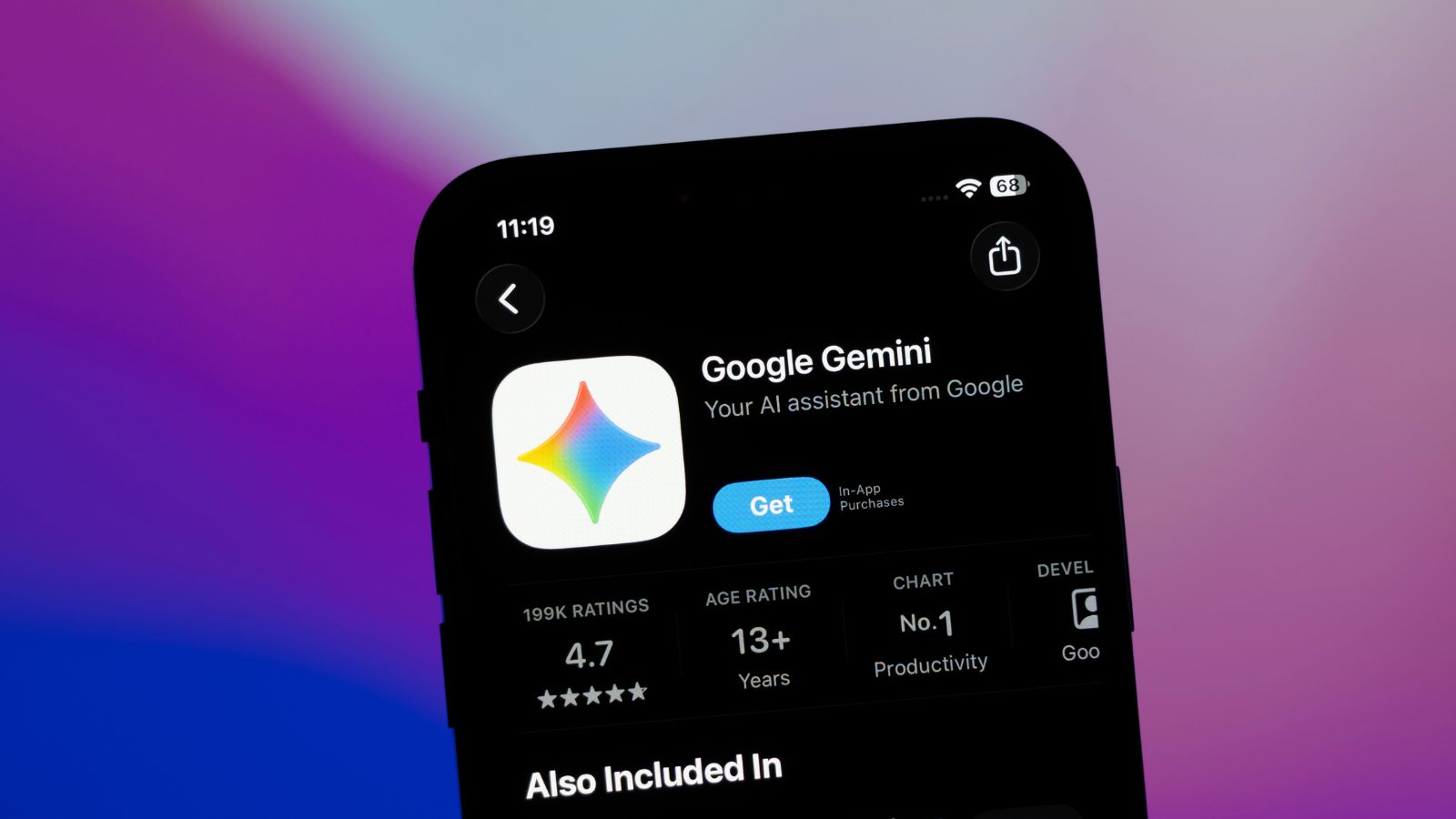

Google’s Gemini app has passed one billion monthly users, marking the latest major milestone in the battle to make generative AI a mainstream consumer tool.
Posting on X, Google CEO Sundar Pichai described Gemini as the company’s fastest-growing product and its 14th product to reach one billion users.
“1B+ people are now using [the] Gemini App every month to spark new ideas and get things done. It’s our fastest growing product ever, and our 14th to hit the 1B-user mark.”
The milestone arrives just three months after Google said Gemini had exceeded 900 million monthly active users at I/O 2026. At last year’s I/O event, the company said the app had 400 million monthly active users.
Voice and Vision Drive New Use Cases
Google’s announcement highlights how people are increasingly using Gemini in ways that go beyond a conventional text-based chatbot.
It said 63 percent of users now speak directly to Gemini, including a growing number of “voice only” users.
“Busy parents” are 43 percent more likely to use voice for everyday tasks, according to the company.
Gemini Live is also gaining traction. Google said one in five Live interactions goes beyond voice, with users turning on a live camera feed or sharing their screen to get help with real-world problems. The company said these features have proved particularly popular with DIY users and students.
For collaboration tech providers, that shift is significant, with users becoming accustomed to asking AI systems for help through speech, visual context and shared screens – interactions that closely resemble emerging AI use cases in customer support, field service, employee training and workplace communications.
Gemini’s Platform Reach
Google is also leaning on the reach of its wider ecosystem to make Gemini part of users’ daily digital activity.
The company said more than 100 million active Gemini users are on iOS, while power users of the macOS app prompt the assistant around twice as frequently as users on other surfaces.
On Android, Gemini can automate actions across more than 40 popular apps, supporting tasks such as booking a ride or reserving a table. That points to a broader industry ambition: moving AI assistants from tools that generate answers towards systems capable of completing actions across multiple services.
Google added that Gemini now creates more than 150 million images each day. It is positioning the app as a single place to create image, video and audio content, particularly for small businesses creating marketing assets.
Students are another important audience. Google said 38 percent of school-related Gemini requests include an attachment, highlighting demand for AI tools that can work with documents, images and other files rather than text alone.
Competition Moves Beyond the Chatbot
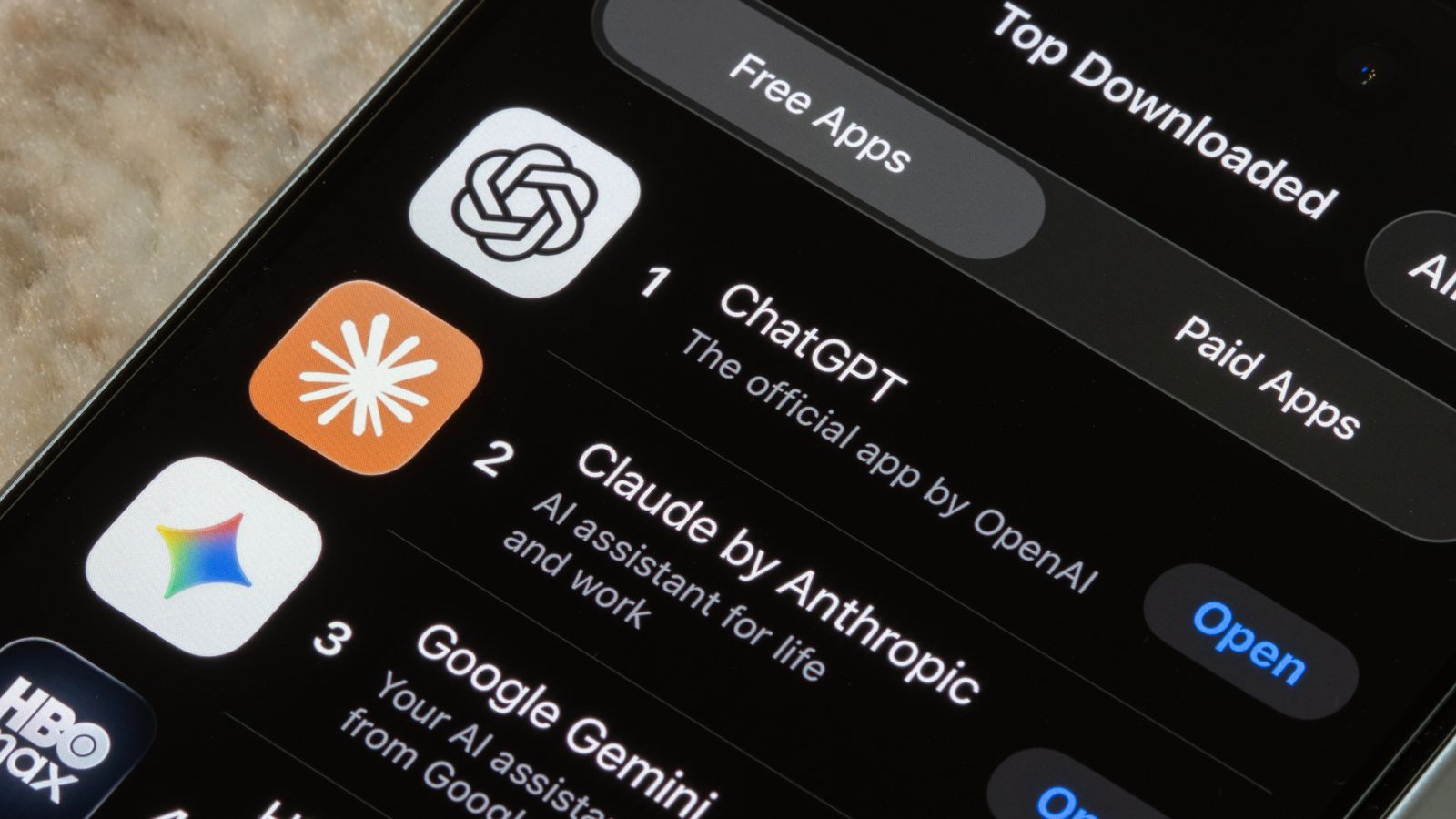
Gemini joins a small group of AI assistants operating at mass scale.
OpenAI said in February that ChatGPT had surpassed 900 million weekly active users. Meta has separately said that more than one billion people use Meta AI each month across its family of apps.
Those figures are not directly comparable: companies use different reporting periods, product definitions and distribution models. But they demonstrate how quickly AI assistants have moved from experimental products to mass-market services.
The next phase of the contest will be determined by more than user numbers. Google, OpenAI, Meta and Anthropic are competing to make their assistants more useful in context – able to understand voice, visual information, documents and screens, and eventually carry out work across other applications.
For businesses, widespread consumer adoption may ease the path to workplace deployment.
Employees increasingly know how to interact with AI assistants, but the harder task for tech leaders will be deploying them with the security, permissions, governance and reliability required for business-critical workflows.